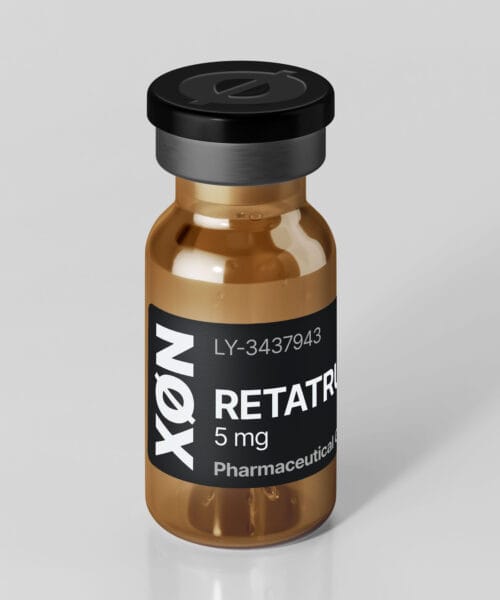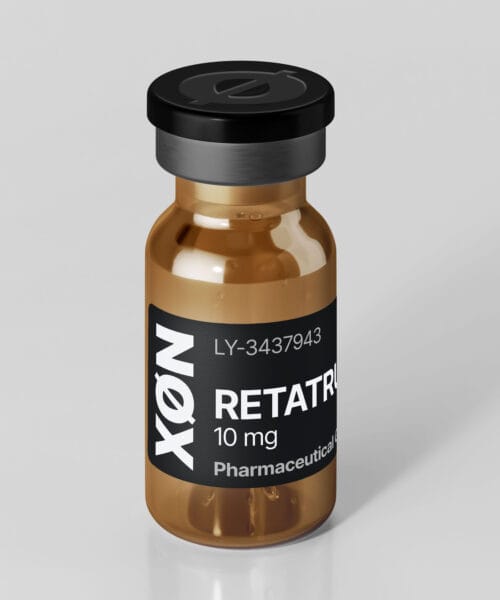
Wolverine Stack

Overview

What is Wolverine Stack?

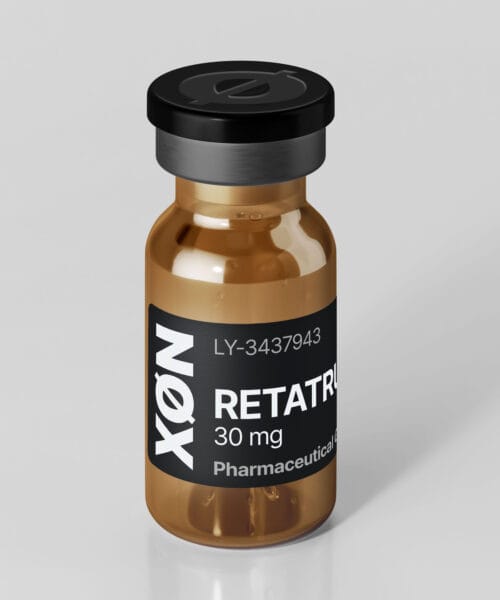
The Wolverine Stack combines BPC-157 (Body Protection Compound-157) and TB-500 (Thymosin Beta-4 fragment) for enhanced tissue repair and recovery. Named after the Marvel character known for regenerative abilities, this combination targets complementary healing pathways: BPC-157 increases actin production and promotes angiogenesis via nitric oxide modulation, while TB-500 binds actin to facilitate cell migration and reduce scarring. A 2021 clinical study showed 87.5% of patients experienced knee pain relief using BPC-157 alone or in combination with TB-4.

Key Benefits

Combines complementary healing mechanisms: BPC-157 promotes angiogenesis and reduces inflammation while TB-500 enhances cell migration and reduces scarring. Clinical study showed 87.5% improvement in knee pain patients.

Mechanism of Action

BPC-157 increases actin production at gene level and modulates nitric oxide for vascular effects. TB-500 is an actin-binding protein that sequesters actin for cell migration. Together they enhance fibroblast and immune cell movement to injury sites through synergistic actin regulation.

Research Indications

Tendon & Ligament Healing

Both peptides show evidence for accelerated tendon and ligament repair. BPC-157 improved Achilles tendon healing in animal models; combination may enhance effects.

Muscle Injury Recovery

BPC-157 demonstrated enhanced muscle regeneration. TB-500 promotes cell migration essential for muscle repair. Commonly combined for athletic recovery.

Joint Pain & Cartilage

Lee & Padgett study showed 87.5% of knee pain patients improved with BPC-157/TB4. May support cartilage repair through enhanced chondrocyte activity.

Accelerated Wound Closure

TB-500 Phase 2 trials showed ~1 month faster healing in ulcer patients. BPC-157 promotes angiogenesis critical for wound healing.

Reduced Scarring

Thymosin β4 decreases myofibroblasts, reducing scar formation and fibrosis. Combined approach may minimize scarring.

Surgical Recovery

Theoretical application for post-surgical healing based on individual peptide wound healing data. No direct surgical studies on combination.

Inflammatory Cytokine Reduction

BPC-157 systematic review showed reduced inflammatory markers. TB-500 inhibits inflammation at injury sites.

GI Protection

BPC-157 derived from gastric protective protein. May protect against NSAID-induced GI damage while TB-500 addresses systemic inflammation.

Chronic Inflammation

Both peptides modulate inflammatory pathways through different mechanisms, potentially offering comprehensive anti-inflammatory effects.

Research Protocols

Disclaimer

The pre-mixed blend delivers both peptides at a fixed 1 to 1 ratio with every injection. At common daily doses, the weekly TB-500 exposure from the blend is roughly 1.75 to 3.5 mg per week. The standalone TB-500 protocol targets 4 mg per week during loading. The blend is accepted community practice for convenience, but users who want full standalone TB-500 exposure should use the separate-vials approach described in the rows below. This is educational research information, not medical advice, and not a substitute for guidance from a qualified healthcare provider.

Goal Dose Frequency Route
Conservative start 250 mcg BPC-157 + 250 mcg TB-500 Once daily SubQ
General Recovery Protocol 500 mcg BPC-157 + 500 mcg TB-500 Once daily SubQ
General Recovery Protocol (separate vials) BPC-157 250-500 mcg + TB-500 2 mg BPC-157 once daily, TB-500 twice weekly SubQ
Intensive Injury Recovery (separate vials) BPC-157 500 mcg + TB-500 2.5 mg BPC-157 1-2x daily, TB-500 twice weekly SubQ near injury site

Timing

With a pre-mixed blend, every injection delivers both peptides at the vial fixed ratio. BPC-157 has a short plasma half-life (under 30 minutes) but tissue-level effects last hours to days. TB-500 has a longer effective tissue duration. Once daily is the community norm for the blended product.

Peptide Interactions

BPC-157 upregulates GH receptors, potentially enhancing tissue repair effects. Combined use may accelerate recovery.
GH secretagogues complement the Wolverine Stack by increasing endogenous growth hormone, which supports tissue repair processes.
MGF activates satellite cells while BPC-157/TB-500 promote tissue repair through different pathways. May enhance muscle recovery.
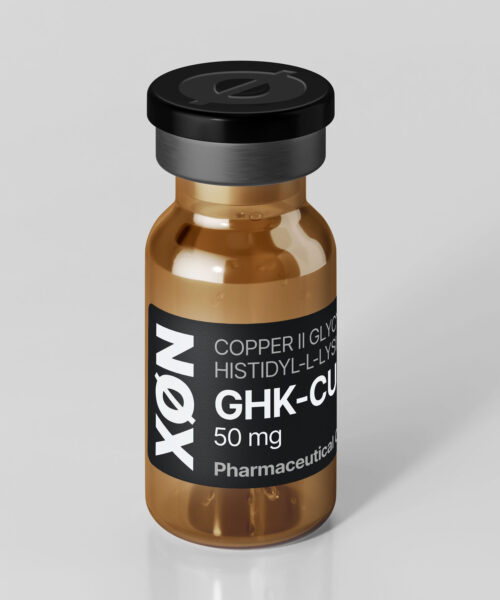
Copper peptide promotes collagen synthesis and wound healing through different mechanisms. No negative interactions expected.
BPC-157 has shown protective effects against NSAID-induced GI damage in studies, but long-term combination effects unknown.
Steroids may counteract some healing effects. BPC-157 has shown ability to reverse some corticosteroid-induced damage in animal models.
Both peptides promote angiogenesis. Monitor for any bleeding issues when combined with blood thinners.
Angiogenesis promotion could theoretically support tumor growth. Contraindicated with any cancer history or treatment.

How to Reconstitute

Important

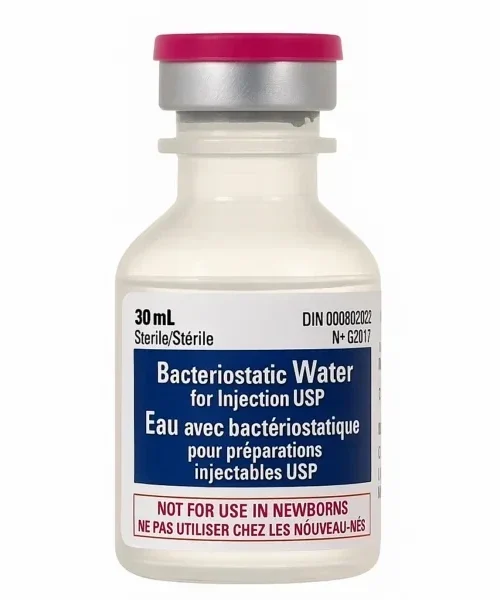
Always use bacteriostatic water (BAC). Sterile technique is essential.

  • 1
    Wipe the vial rubber stopper with an alcohol swab and allow it to dry.
  • 2
    Draw 2 mL of bacteriostatic water into a clean syringe.
  • 3
    Insert the needle into the vial at an angle and release the water slowly down the inside wall of the vial. Do not inject directly onto the powder.
  • 4
    Remove the syringe. Swirl the vial gently until the powder is fully dissolved. Do not shake.
  • 5
    The solution should be clear and colorless. Do not use if cloudy or if particles remain after gentle swirling.
  • 6
    Refrigerate immediately at 2-8°C. Use within 30 days.
  • 7
    For each injection, wipe the stopper again with a fresh alcohol swab. Draw the volume your protocol calls for. A 10 mg vial in 2 mL gives 250 mcg of each peptide per 0.1 mL.
  • 8
    Administer subcutaneously in the abdomen or near the injury site. Rotate injection sites with each dose.
  • 9
    For the separate-vial protocol, reconstitute each vial individually in 2 mL bacteriostatic water and dose each peptide on its own schedule. See the BPC-157 and TB-500 pages for component-specific reconstitution detail.

Quality Indicators

  • White Lyophilized Powder

    Both BPC-157 and TB-500 vials should contain white or off-white fluffy powder cake. Indicates proper freeze-drying.

  • Clear After Reconstitution

    When mixed with bacteriostatic water, both solutions should be crystal clear with no particles or cloudiness.

  • !

    Minor Clumping Acceptable

    Small clumps that dissolve completely with gentle swirling are normal. Shipping can cause minor compaction of powder.

  • X

    Collapsed or Discolored

    If powder appears collapsed, yellowed, or stuck to vial sides, it may be degraded from heat exposure - do not use.

  • X

    Cloudy or Particles

    Persistent cloudiness or visible particles after reconstitution indicate contamination or degradation - discard vial.

  • Certificate of Analysis

    Reputable suppliers provide HPLC purity testing (>98%) and mass spectrometry verification for both peptides.

What to Expect

  • Week 1-2: Possible reduction in acute inflammation and pain at injury sites

  • Week 2-4: Noticeable improvement in recovery between workouts, reduced soreness

  • Week 4-6: Significant improvement in chronic injuries, improved joint comfort

  • Week 6-8: Optimal healing effects, structural improvements in damaged tissues

  • Post-cycle: Benefits may persist as healed tissue maintains integrity

Side Effects & Safety

  • Not FDA approved, research chemical only.
  • Contraindicated with ANY history of cancer or suspicious growths.
  • Both BPC-157 and TB-500 are prohibited under WADA and USADA anti-doping rules. Competitive athletes subject to drug testing should not use this stack.
  • Limited human safety data, most research is preclinical.
  • Do not combine with chemotherapy or in active malignancy.
  • Monitor for unusual tissue growth or changes.
  • Not recommended during pregnancy or breastfeeding.
  • Consult a healthcare provider before use, especially with existing conditions.
  • Any unusual lumps, growths, or rapid tissue changes
  • Severe injection site reactions or infections
  • Signs of allergic reaction (rash, swelling, difficulty breathing)
  • Unexpected bleeding or bruising
  • Persistent headaches or vision changes
  • Any symptoms suggesting abnormal growth

References

BPC-157 Systematic Review (Vasireddi et al., 2025)

Systematic Review | 36 articles | Orthopedic sports medicine focus

Comprehensive review of BPC-157 in orthopedics. Preclinical models showed improvements in muscle tears, tendon ruptures, ligament tears, and fracture healing. Mechanism involves enhanced GH receptor expression and angiogenesis with reduced inflammatory cytokines.

View Study →

BPC-157 + TB4 Knee Pain Study (Lee & Padgett, 2021)

Human | 16 patients | Intra-articular injection | Retrospective review

First published study combining BPC-157 and thymosin beta-4. Overall 87.5% (14/16) experienced knee pain relief. BPC-157 alone: 91.6% improvement (11/12). BPC-157 + TB4 combination: 75% improvement (3/4). Suggests intra-articular BPC-157 helps multiple types of knee pain.

View Study →

Thymosin β4 Clinical Wound Healing (Treadwell et al., 2012)

Human Phase 2 | Stasis and pressure ulcers | Accelerated healing

In two Phase 2 clinical trials, thymosin β4 accelerated wound healing by approximately one month in patients with stasis and pressure ulcers who responded to treatment.

View Study →

Thymosin β4 Regenerative Properties Review (Goldstein et al., 2012)

Review | Multi-functional peptide | Clinical applications

Comprehensive review establishing thymosin β4 as a regenerative peptide that promotes cell migration, reduces inflammation and apoptosis, and decreases scar formation. Clinical trials ongoing for dermal wounds, corneal injuries, cardiac and CNS repair.

View Study →

BPC-157 Achilles Tendon Healing (2003)

Rats | 10 μg/kg i.p. daily | 14 days | Improved biomechanics

BPC-157 demonstrated superior healing of transected Achilles tendons with improved biomechanical properties, faster functional recovery, and enhanced tendon-to-bone integration.

View Study →

Thymosin β4 Wound Healing Acceleration (1999)

Rats | Full thickness wounds | 42-61% faster re-epithelialization

Addition of Tβ4 topically or intraperitoneally increased re-epithelialization by 42% at 4 days and up to 61% at 7 days post-wounding, with increased collagen deposition and angiogenesis.

View Study →