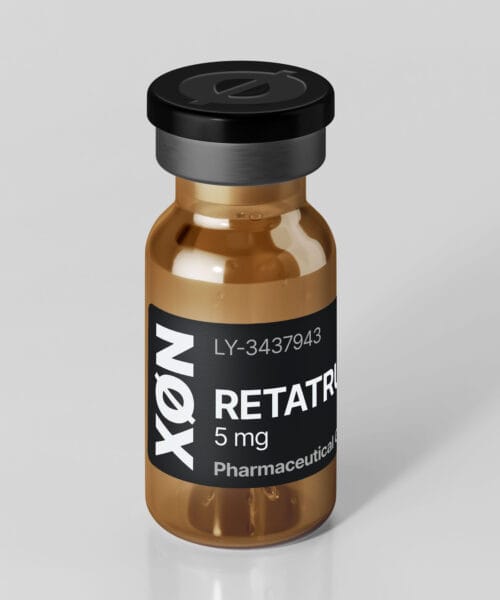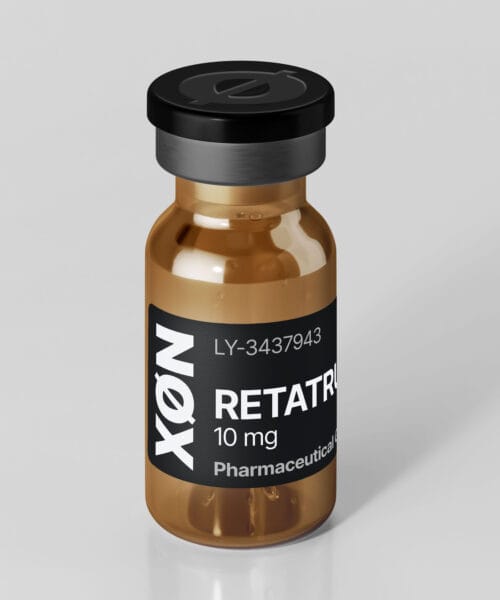


Buying research peptides shouldn’t feel like spinning a roulette wheel with a credit card. Yet polished labels, vague “lab tested” claims, missing chromatograms, and suspiciously permanent discounts make it difficult to distinguish a dependable Canadian supplier from a slick storefront.
This guide explains how to buy peptides online for legitimate laboratory research while checking the details that actually matter: batch-specific certificates of analysis (COAs), test methods, lot traceability, handling practices, shipping, and research-use restrictions. It also reviews the shopping experience and quality signals promoted by NoxPeptides, which positions itself as the best place to buy peptides online in Canada. That claim deserves verification, not blind trust, so you’ll find a practical framework for evaluating it and competing vendors.
Transparency note: No commercial relationship, affiliate commission, or hands-on laboratory test was provided for this review. Inventory, prices, promotions, and dispatch estimates can change: confirm them directly before ordering. Nothing here is medical advice, and research peptides must not be used for self-treatment, bodybuilding, weight loss, or other human or veterinary purposes.
Key Takeaways
- Buying peptides online requires verifying batch-specific certificates of analysis (COAs) and lot traceability to ensure product identity and purity for legitimate laboratory research.
- Researchers should carefully define experimental protocols before purchasing peptides to select appropriate compounds aligned with their scientific objectives.
- Beware of red flags such as generic COAs, medical claims on research products, and suspiciously low prices that may indicate unreliable suppliers.
- Choose vendors that provide transparent documentation, independent third-party testing, and clear research-use-only labeling to comply with legal and safety standards.
- Domestic Canadian suppliers offering quality control and tracking reduce shipping delays and customs issues, enhancing reliability when buying peptides online.
- Always confirm storage, handling practices, and shipment conditions upon receipt to maintain peptide integrity and support reproducible research results.
Shop Research Peptides by Category
A category-first catalog helps you compare relevant compounds without wandering through a jumble of similarly named vials. That matters because peptides can differ dramatically in sequence, stability, analytical requirements, and intended experimental model.
Before ordering, define your protocol on paper: target pathway, required quantity, controls, assay method, storage conditions, and disposal procedure. In other words, don’t build the experiment around whatever happens to be on sale Friday night.
– Metabolic Research (e.g., GLP-1/GIP/GCGR tools)
Metabolic research tools include compounds used to investigate incretin signaling, glucose regulation, appetite-related pathways, and energy expenditure. Categories may reference GLP-1, GIP, or glucagon-receptor activity, including dual- and triple-pathway agonist tools.
These products attract substantial consumer attention, which makes careful screening especially important. Similar branding doesn’t establish chemical identity, and a high purity percentage alone can’t tell you whether the vial contains the stated sequence.
For laboratory procurement, review:
- Molecular formula and molecular weight
- Peptide sequence or unambiguous identifier
- Identity testing, ideally mass spectrometry
- Purity testing by an appropriate chromatographic method
- Lot number, test date, and storage instructions
Metabolic research is not a back door to personal weight-loss treatment. If that’s your goal, speak with a licensed Canadian clinician about authorized therapies supplied through regulated pharmacies.
– Recovery & Repair Research (e.g., BPC-157, TB-500 tools)
BPC-157 and TB-500-related tools are often marketed around “recovery,” but that shorthand can blur the boundary between laboratory hypotheses and proven clinical outcomes. These compounds may be investigated in controlled models involving cellular migration, tissue signaling, angiogenesis, or inflammatory responses. That doesn’t establish safety or effectiveness in people.
Watch product naming closely. A TB-500 listing, for example, may not represent the same material as full-length thymosin beta-4. The product page and COA should state exactly what was tested.
Your protocol should also account for negative controls, solvent compatibility, freeze-thaw exposure, and expected degradation. If a seller uses athlete testimonials instead of analytical evidence, that’s not “real-world proof”, it’s a compliance warning wearing gym clothes.
– GH / Hormone Research (e.g., CJC-1295, Tesamorelin tools)
GH- and hormone-pathway research demands precise product identification. CJC-1295 variants may differ, including versions described with or without a drug-affinity complex, while similarly marketed growth-hormone secretagogue tools can have distinct mechanisms and half-lives. A generic “CJC” label isn’t enough.
Tesamorelin also illustrates why context matters: a compound name may be associated with an approved prescription product in a specific clinical setting, but a research vial sold online is not automatically equivalent to that medicine. It hasn’t necessarily passed the same manufacturing, sterility, stability, or regulatory controls.
Confirm sequence, salt or counterion information where available, net peptide content, and identity data. Avoid vendors that pair research-use labeling with dosing schedules or transformation photos. Those mixed messages suggest the disclaimer is decorative rather than operational.
– Neuro & Nootropic Research
Neuro-focused peptides are used in preclinical work involving receptors, signaling cascades, learning, stress responses, inflammation, or neuroprotection. Evidence quality varies widely: some compounds have mechanistic or animal data, while others are supported mainly by anecdotes copied from forum to forum until they start looking like facts.
For this category, distinguish among commercial claims, preclinical findings, and human clinical evidence. They’re not interchangeable. Review database identifiers and scientific literature before choosing a tool, then verify that the supplier’s documented material matches the compound discussed in that literature.
You’ll also need suitable institutional controls. Neuroactive compounds can present unknown exposure risks, so staff training, personal protective equipment, spill procedures, and controlled access aren’t optional details. A “nootropic” label may sound friendly: unknown toxicology is considerably less cuddly.
– Cosmetic & Skin Research (e.g., GHK-Cu tools)
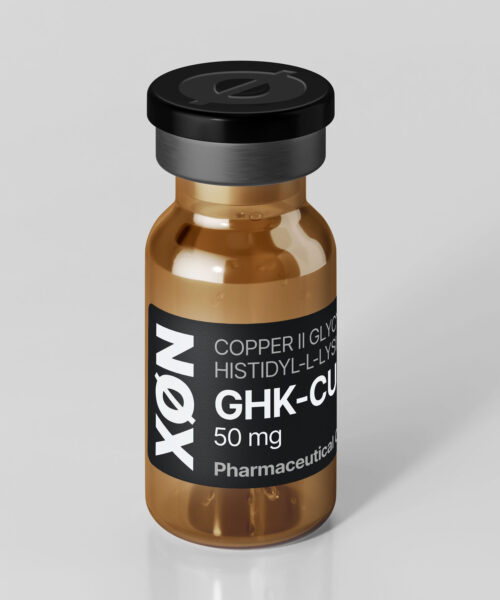
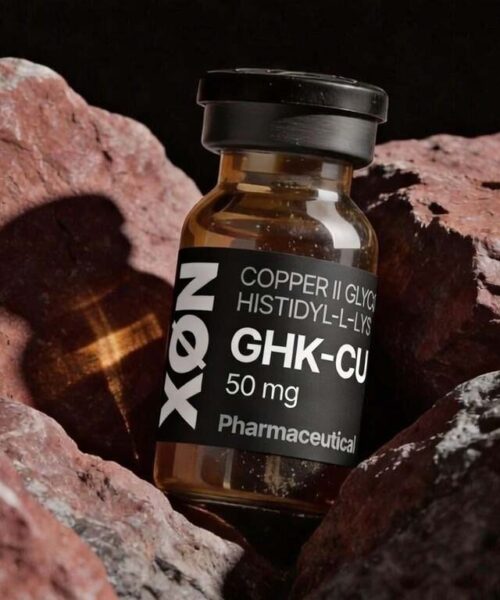
Cosmetic and skin-research categories often feature GHK-Cu, a copper complex studied in relation to extracellular matrix signaling, wound models, and skin biology. Researchers may evaluate such materials in cell culture, formulation screening, or other non-human laboratory systems.
Here, chemical form matters. Ask whether the analysis addresses the peptide alone, the complex, or both. The familiar “99% purity” badge may describe chromatographic peak area without confirming copper content, water content, residual solvents, or total usable material.
Color can offer a rough observational cue for some copper-containing materials, but it isn’t an identity test. Neither is a luxurious blue label. Prioritize lot-linked analytical records, packaging that limits moisture and light exposure, and storage guidance appropriate to the documented form.
– Peptide Blends & Research Supplies
Blends can reduce preparation time in a carefully designed protocol, but they complicate verification. A single purity number may conceal whether every component was identified and quantified. Ask for component-level results, stated ratios, total content, and an explanation of how overlapping chromatographic peaks were resolved.
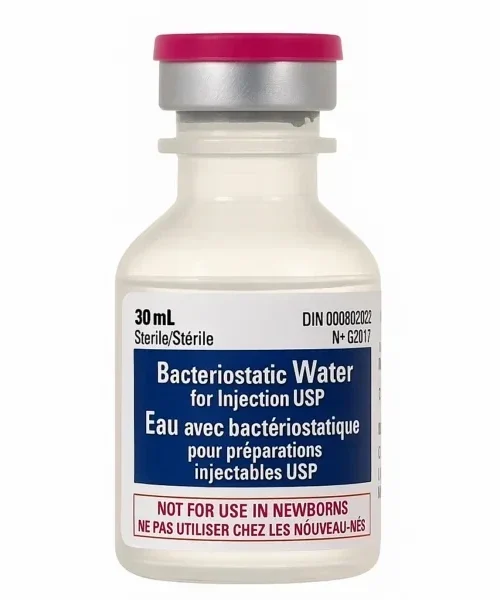
Research supplies, such as racks, labels, sterile consumables, or bacteriostatic products, should be evaluated separately from the peptide itself. Sterility, endotoxin, and preservative claims require their own suitable tests: an HPLC purity report can’t prove them.
For reproducibility, single-component products are often easier to trace than premixed formulations. If you do choose a blend, record its exact lot and avoid substituting a later batch mid-study without qualification. Convenience is lovely, but your dataset won’t accept “the website looked legit” as a methods section.
Best-Selling Peptides Online (In-Stock Today)
“Best-selling” and “in stock today” are dynamic merchandising claims, not permanent facts. Check the live NoxPeptides catalog before you buy peptides online, particularly if your project depends on metabolic, recovery, GH-related, neuro, or cosmetic research tools. A visible product page doesn’t always mean inventory has been physically allocated.
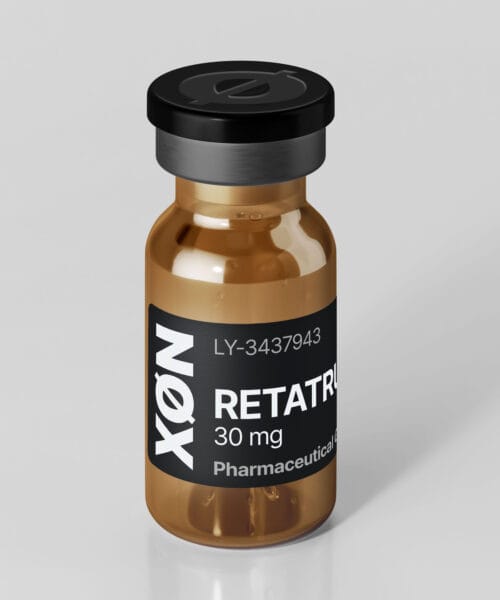
Popular categories commonly include BPC-157, TB-500-related products, CJC-1295 variants, tesamorelin, GHK-Cu, and newer metabolic research compounds. Popularity, but, is not evidence of suitability or quality.
| Before adding to cart | What to confirm |
| Product identity | Full name, sequence, variant, and amount |
| Stock status | Ready to dispatch, not merely back-ordered |
| Documentation | Current COA matching the available lot |
| Research fit | Appropriate controls and analytical plan |
| Restrictions | Canadian destination and age eligibility |
If the required lot report isn’t available, pause the order. A small delay is cheaper than repeating an unusable study.
Why Researchers Choose Us to Buy Peptides Online
NoxPeptides presents itself as a Canadian option for researchers who want domestic fulfillment, organized categories, and accessible quality documentation. Those features can make procurement simpler, but “best place” remains a comparative judgment. You should verify each claim at product and batch level rather than treating the brand promise as proof.
The strongest supplier isn’t necessarily the one with the loudest purity number. It’s the one that lets you trace a vial from listing to lot report, explains its analytical methods, handles discrepancies professionally, and maintains clear research-use boundaries.
– Batch-Specific COAs + QR Verification (Instant Report Access)
A QR code can make documentation quick to retrieve, scan, check, save, but it doesn’t authenticate the underlying science by itself. The linked report should display the product name, matching lot number, test date, methods, results, and laboratory identity. Confirm that the QR destination uses the supplier’s legitimate domain or a recognizable laboratory portal.
Save a PDF copy when your shipment arrives. Web pages can be updated, while your project file needs a stable record of what was available at receipt.
Also compare the vial label with the report character by character. A COA for “BPC-157” from last year doesn’t support an unrelated lot delivered today. If the report is generic, cropped, or missing raw chromatographic context, ask for clarification before opening the product.
– Independent Third-Party Testing & Lot Traceability
Independent testing can reduce conflicts of interest, provided the laboratory is identifiable and actually capable of the reported method. Look for the lab’s name, contact information, report or sample number, receipt date, analysis date, and authorized sign-off. Where relevant, check whether the lab states an accreditation scope: accreditation itself should never be assumed from a logo.
Lot traceability connects four things:
- The product listing
- The delivered vial
- The laboratory report
- The supplier’s internal batch record
If one link breaks, confidence drops. Ask how complaints or out-of-specification results are handled and whether affected lots can be recalled. This isn’t glamorous shopping advice, admittedly, but traceability becomes VERY interesting the moment two assay runs disagree.
– 99%+ Purity Standards, Storage, and Handling Practices
A 99%+ purity target sounds reassuring, yet you need to know what it means. It often refers to chromatographic purity by peak area, not 99% peptide by total vial mass. Water, counterions, residual solvents, and excipients may not appear in that headline figure.
Storage guidance should identify conditions before and after laboratory preparation, sensitivity to moisture or light, and any limits supported by stability data. Inspect shipments for damaged seals, unexpected thawing, moisture, or label mismatch, then document receipt and transfer materials promptly to validated storage.
Avoid repeated temperature cycling. Keep a simple inventory log with arrival date, lot, location, and freeze-thaw events. It feels fussy for about three minutes: then it saves an entire afternoon of freezer archaeology.
How to Verify Peptide Quality Before You Order
Quality verification works best as a sequence, not a gut feeling. Start with the supplier’s legal business details and policies. Next, compare the product page with its batch report. Then evaluate the testing laboratory and methods. Finally, preserve documentation when the order arrives.
Use this quick pre-purchase check:
- Match the available lot to a current COA
- Confirm identity and purity were tested separately
- Look for actual results, not only “pass” statements
- Check report dates and sample identifiers
- Review shipping and storage expectations
- Read refund, reshipment, and discrepancy policies
- Contact support with one technical question
That last step is revealing. A useful answer should be specific and documented. “Trust us, bro” is not an analytical method.
– What a COA Should Include (Identity, Purity, Residuals, Methods)
At minimum, a credible COA should identify the sample, lot, test methods, acceptance criteria, measured results, dates, and responsible laboratory. Peptide identity is commonly investigated with mass spectrometry: purity is often assessed by HPLC or UPLC. These methods answer different questions.
| COA element | Why it matters |
| Mass or identity result | Supports that the expected molecule was detected |
| Chromatogram and purity | Shows separation and reported peak-area purity |
| Residual solvent data | Identifies manufacturing-process residues |
| Water/content assay | Helps interpret actual material quantity |
| Microbial/endotoxin tests | Relevant only when specifically claimed or required |
| Method details | Makes the result interpretable and reproducible |
Not every research application requires every test, but omissions should be clear. A COA isn’t a magical safety certificate, and it does not authorize human use.
– Common Red Flags When Buying Peptides Online
When you buy peptides online, leave the cart if the seller combines medical promises with “research only” fine print. That contradiction is one of the clearest warning signs.
Other red flags include:
- One generic COA reused across multiple lots
- No matching lot number or test date
- Purity claims without identity testing
- Edited, unreadable, or logo-only reports
- Guaranteed treatment, muscle, recovery, or weight-loss outcomes
- Human dosing instructions on research-product pages
- Crypto-only payment with no business identity
- Prices dramatically below plausible testing and fulfillment costs
- No Canadian shipping, privacy, refund, or contact policy
- Reviews that repeat identical phrases
Be cautious with perpetual countdown timers too. If “90% OFF ENDS TONIGHT” has survived three Tuesdays, it’s theatre.
Search the company name alongside terms such as “recall,” “warning,” and “complaint.” Review Health Canada’s health product compliance resources, and remember that testimonials cannot replace chemical analysis.
Shipping Across Canada: Delivery Times, Tracking, and No-Customs Advantage
Domestic Canadian shipping can eliminate routine border clearance from the delivery route, reducing one common source of delays. That’s the practical “no-customs advantage”: a package sent within Canada generally doesn’t cross an international customs checkpoint. It does not exempt the seller, buyer, or product from Canadian law.
Delivery speed varies by origin, destination, carrier, weather, and remote-area access. A Toronto-to-Ottawa parcel may move quickly: service to parts of Yukon, Nunavut, Newfoundland and Labrador, or rural British Columbia can take longer. Statutory holidays and winter storms have also humbled many optimistic tracking estimates.
Before checkout, confirm:
- Carrier and service level
- Estimated dispatch time versus transit time
- Tracking and signature options
- Temperature-conscious packaging, if required
- Lost, delayed, or damaged-parcel policies
- Whether PO boxes and remote postal codes are supported
Inspect the package immediately and photograph visible damage before opening it.
– Same-Day/Next-Day Dispatch, Tracking Updates, and Email Deliverability Tips
Same-day or next-day dispatch normally means the vendor hands an eligible order to the carrier within that window: it doesn’t mean next-day delivery. Cutoff times, weekends, payment review, address verification, and stock availability can all affect processing. Read the exact promise before planning a time-sensitive experiment.
Once shipped, use the carrier’s scan history rather than repeatedly refreshing the order page (we’ve all done it). If a label is created but no acceptance scan appears after the stated processing period, contact support with your order number.
To avoid missing notices:
- Enter your email address carefully at checkout
- Add the vendor and carrier to your safe-sender list
- Check spam, promotions, and quarantine folders
- Use an inbox you monitor, not an abandoned procurement alias
- Verify SMS links before opening them
Never pay surprise “redelivery fees” through an unverified text message. Open the carrier’s official website independently and enter the tracking number there.
Pricing, Promotions, and Payment Options
Compare documented value, not simply price per vial. Testing, domestic fulfillment, protective packaging, customer support, and replacement policies carry real costs. A cheap product that produces ambiguous results is expensive in disguise, especially after you count technician time and repeated assays.
Build a landed-cost comparison:
| Cost factor | What to include |
| Product | Price for the same stated quantity and form |
| Documentation | Batch-level testing included or separately charged |
| Shipping | Standard, express, signature, and remote surcharges |
| Tax | Amount shown at checkout |
| Payment | Card, transfer, or processing fees |
| Risk | Refund terms and cost of an unusable lot |
Promotions are useful when the product already fits your protocol. Don’t stockpile unstable materials merely to unlock free shipping.
Choose payment methods with clear records and appropriate buyer protections. Ensure checkout uses encrypted connections, review the billing descriptor, and never email card details. Discounts should not require you to waive quality questions or accept substitute lots without approval.
Research Use Only, Age Verification (21+), and Compliance
Research-use-only labeling means the material is not offered as a drug, food, cosmetic, supplement, or veterinary treatment. It must not be injected, ingested, applied for personal experimentation, or used to diagnose, prevent, or treat a condition. Age verification at 21+ is an additional vendor safeguard: it doesn’t convert a purchase into authorization for human use.
Your responsibilities may include institutional approval, trained handling, controlled access, exposure procedures, accurate records, and compliant waste disposal. Requirements differ by organization, province, compound, and application, so consult your institution’s safety officer and applicable Canadian rules. Health Canada’s drug and health product information is a sensible starting point.
Eventually, the safest way to buy peptides online is to slow down: define your legitimate research need, verify the exact lot, retain its records, and reject medical marketing disguised as laboratory supply. NoxPeptides may be a convenient domestic contender, and it describes itself as the best place to buy peptides online, but your final decision should rest on current COAs, transparent policies, lawful use, and reproducible evidence. That’s less exciting than a flash sale, perhaps. It’s also how good research survives scrutiny.
FAQs About Buying Peptides Online for Research
What should I verify when buying peptides online for research purposes?
Ensure batch-specific certificates of analysis (COAs) are available and match the lot number. Confirm product identity, purity testing methods, lot traceability, proper handling instructions, and compliance with research-only use restrictions.
Why is verifying the COA important when purchasing research peptides?
A credible COA confirms the peptide’s identity, purity, residual solvents, and test methods. It provides critical data like mass spectrometry and chromatographic results, helping guarantee the vial contains the correct substance for laboratory research.
Can I use research peptides purchased online for weight loss or bodybuilding?
No. Research peptides sold online are for laboratory research only and must not be used for human or veterinary treatments such as weight loss or bodybuilding. Consult licensed clinicians for authorized therapies.
How does buying peptides domestically in Canada benefit shipping and delivery?
Buying peptides from a Canadian supplier avoids international customs, reducing delays. Domestic shipping offers faster dispatch, better tracking, and compliance with Canadian regulations, enhancing delivery reliability for research purposes.
What are common red flags indicating a suspicious peptide supplier online?
Be cautious if sellers mix medical promises with research-only disclaimers, reuse generic COAs across lots, lack matching lot numbers or identity testing, offer unrealistically low prices, or provide no clear shipping and refund policies.
How should I handle and store peptides after receiving them to maintain quality?
Follow documented storage guidelines to avoid moisture, light exposure, and temperature cycling. Keep detailed logs of arrival date, lot number, location, and freeze-thaw cycles to preserve peptide stability and research integrity.