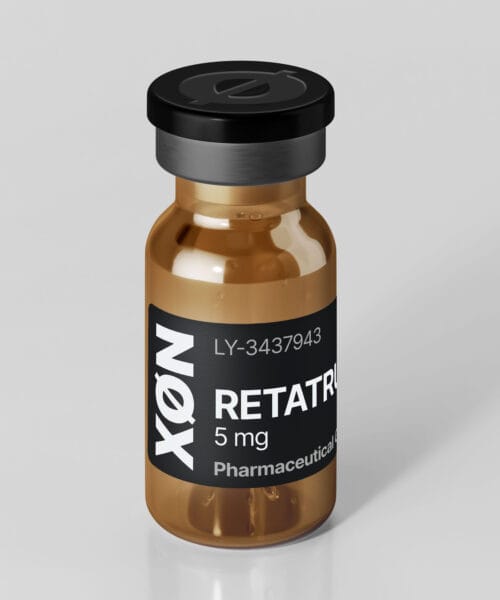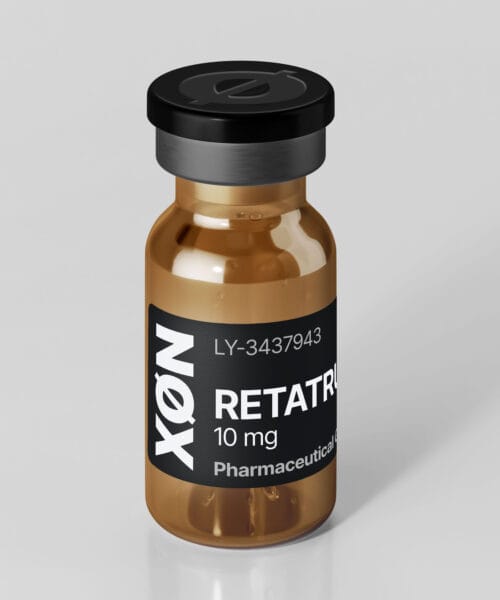
AHK-Cu (Copper Tripeptide-3)

Overview

What is AHK-Cu (Copper Tripeptide-3)?

AHK-Cu (Copper Tripeptide-3) is a synthetic copper-binding tripeptide composed of Alanine-Histidine-Lysine complexed with a copper ion (Cu²⁺). While structurally similar to the naturally occurring GHK-Cu (differing only in the first amino acid – alanine vs glycine), AHK-Cu demonstrates targeted activity on dermal papilla cells and hair follicles. Research shows it stimulates hair follicle elongation, promotes dermal papilla cell proliferation, increases VEGF production, and inhibits TGF-β1 – making it particularly promising for hair growth applications. It also supports skin regeneration through fibroblast activation and collagen synthesis.

Key Benefits

Stimulates hair follicle elongation, promotes dermal papilla cell proliferation, increases VEGF for improved scalp circulation, reduces TGF-β1 (counters DHT effects), anti-apoptotic protection for follicles, collagen synthesis support, convenient topical application

Mechanism of Action

AHK-Cu penetrates the scalp to deliver copper directly to dermal papilla cells and hair follicles. It activates proliferation pathways, elevates the Bcl-2/Bax ratio (anti-apoptotic), increases VEGF production for enhanced blood flow, reduces TGF-β1 secretion, and promotes SOD production to reduce oxidative stress. These combined effects support the anagen (growth) phase and may help revive miniaturized follicles.

Research Indications

Hair Follicle Elongation

Ex vivo studies demonstrate AHK-Cu stimulates human hair follicle elongation at concentrations as low as 10⁻¹² M, promoting longer anagen phase

Dermal Papilla Cell Proliferation

Increases proliferation of dermal papilla cells, the key regulatory cells for hair follicle cycling and hair growth

VEGF Upregulation

Boosts vascular endothelial growth factor production, improving blood flow and nutrient delivery to hair follicles

Anti-DHT Mechanism

Reduces TGF-β1 secretion and oxidative stress (via SOD), both of which contribute to DHT-induced follicle miniaturization

Fibroblast Stimulation

Activates fibroblast proliferation and collagen synthesis for improved skin structure and wound healing

Anti-Apoptotic Effects

Elevates Bcl-2/Bax ratio and reduces caspase-3 activation, protecting cells from programmed death

Extracellular Matrix Support

Promotes deposition of collagen and other ECM components for tissue renewal and repair

Research Protocols

Disclaimer

These are commonly discussed research protocols and not medical advice. Consult a healthcare provider before use.

GoalDoseFrequencyRoute
Hair Growth - Scalp Application 0.5–1% solution/serum Once or twice daily Topical to scalp
Hair Growth - Combined Protocol 0.3–0.5% AHK-Cu with minoxidil Once or twice daily Topical to scalp
Skin Regeneration - Face/Body 0.3–1% in serum/cream Once or twice daily Topical to skin
DIY Formulation Add 0.3–1% to water phase Cool-down phase (<40°C) Custom formulation

Timing

Apply to clean, dry scalp or skin. Evening application is preferred to avoid UV exposure which can degrade the peptide. If using other actives, apply AHK-Cu first and allow to absorb before layering.

Peptide Interactions

Complementary copper peptides targeting different aspects of tissue regeneration. GHK-Cu excels at skin repair while AHK-Cu targets hair follicles. Can be combined in formulations
Both promote hair growth via different mechanisms - minoxidil via potassium channel opening and vasodilation, AHK-Cu via dermal papilla stimulation and VEGF. Often combined in hair loss protocols
5-alpha reductase inhibitors block DHT production while AHK-Cu may help counter DHT effects on follicles. Different mechanisms support combination approach
Risk of copper toxicity when combined with additional copper sources. Monitor total copper intake and avoid stacking copper peptides with oral copper supplements
Different tissue repair mechanisms - BPC-157 promotes systemic healing while AHK-Cu targets skin/hair. Safe to use in parallel for comprehensive regeneration support
Low pH of ascorbic acid can destabilize copper peptides. Use at different times - Vitamin C in morning, AHK-Cu in evening - to avoid interaction
Acidic exfoliants (glycolic, salicylic acid) can destabilize copper peptide complexes and reduce effectiveness. Use at different times or in separate routines
Both are potent actives that can cause irritation. Retinoids also lower skin pH. Introduce slowly or use at different times to avoid sensitization
May interfere with copper binding and reduce peptide effectiveness. Monitor for reduced efficacy if using iron-chelating compounds
Excellent combination - hyaluronic acid provides hydration and supports peptide penetration while AHK-Cu promotes follicle and skin health

How to Reconstitute

Important

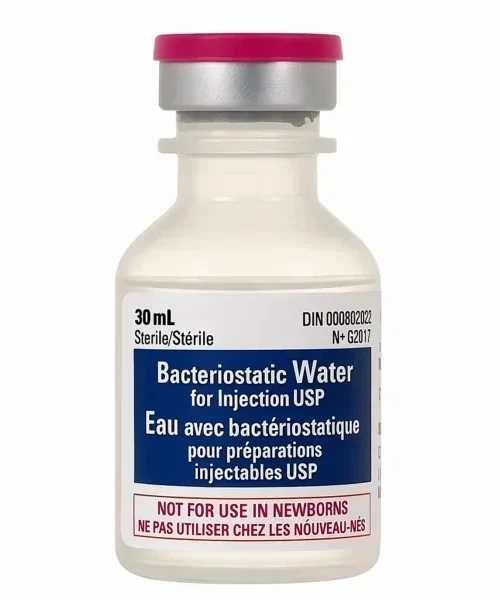
Always use bacteriostatic water (BAC). Sterile technique is essential.

  • 1
    Calculate amount needed for desired concentration (e.g., 100mg for 1% in 10mL)
  • 2
    Dissolve AHK-Cu powder in distilled water or water phase of formulation
  • 3
    Verify pH is between 5.5-7.0 - adjust if necessary (avoid pH below 5)
  • 4
    Add to cool-down phase of formulation (<40°C / 104°F) - heat degrades peptide
  • 5
    Mix gently until fully incorporated - do not shake vigorously
  • 6
    Transfer to dark glass container to protect from light
  • 7
    Store refrigerated at 2-8°C
  • 8
    Use within 30 days of preparation

Quality Indicators

  • ✓

    Light blue powder

    AHK-Cu powder should have a characteristic light blue color from the copper complex

  • ✓

    99%+ purity with COA

    Pharmaceutical/cosmetic grade with certificate of analysis confirming identity and purity

  • ✓

    Proper copper complexation

    Should dissolve to clear light blue solution; cloudiness indicates quality issues

  • ✓

    pH-stable formulation

    Final product pH between 5.5-7.0 for optimal stability and skin compatibility

  • !

    Liposomal preferred for penetration

    Liposomal delivery systems improve AHK-Cu stability and skin/scalp penetration

  • ✗

    Discolored or degraded appearance

    Brown, green, or colorless solutions indicate degradation - do not use

  • ✗

    pH below 5.0

    Acidic conditions destabilize copper peptide complex - verify pH before use

What to Expect

  • Week 1-2: No visible changes; peptide is working at cellular level

  • Week 2-4: Some users report reduced hair shedding; scalp may feel healthier

  • Month 1-2: Vellus (fine) hairs may begin appearing in thinning areas

  • Month 2-3: New growth becoming visible; existing hairs may appear thicker

  • Month 3-4: Noticeable improvement in hair density and quality

  • Month 4-6: Significant results visible; continued improvement expected

  • Month 6-12: Full results achieved with consistent use

  • For skin: Improvements in texture and firmness may be noticed within 4-8 weeks

Side Effects & Safety

  • Generally well-tolerated with excellent safety profile in topical applications
  • Avoid use with acidic products (AHAs, BHAs, Vitamin C) - use at different times
  • Do not combine with additional copper supplements - risk of copper toxicity
  • Keep pH between 5.5-7.0 for stability and skin compatibility
  • Store properly - degrades with heat, light, and improper pH
  • Patch test before full application if sensitive skin
  • Discontinue if irritation, redness, or itching persists
  • Not for use on broken or infected skin
  • Avoid eye area - may cause irritation
  • Limited long-term safety data - use as directed
  • Persistent scalp irritation, itching, or burning
  • Allergic reaction: rash, hives, swelling
  • Increased hair shedding that doesn't improve after 4-6 weeks
  • Signs of copper sensitivity: metallic taste, nausea (if absorbed systemically)
  • Skin discoloration at application site
  • Any unexpected adverse reactions

References

Ionic Liquid Microemulsions for Topical Peptide Delivery

Formulation study 2023 | Enhanced delivery systems | Copper peptide stability

Novel delivery system using thermodynamically stable ionic liquid microemulsions to improve topical delivery and stability of copper tripeptides including AHK-Cu for enhanced therapeutic effects.

View Study →

GHK-Cu Regenerative Actions - Gene Expression Data

Comprehensive review | 4000+ genes analyzed | Tissue repair mechanisms

While focused on GHK-Cu, this landmark review establishes the broader mechanisms of copper tripeptides in tissue regeneration, collagen synthesis, and anti-inflammatory pathways relevant to AHK-Cu.

View Study →

Human Skin Penetration of Copper Tripeptide In Vitro

In vitro penetration study | Human skin samples | Layer-by-layer analysis

Evaluated transdermal delivery of copper tripeptide, demonstrating penetration through skin layers with potential for topical therapeutic applications in skin regeneration and hair growth.

View Study →

Tripeptide-Copper Complex Effect on Human Hair Growth In Vitro

Ex vivo and in vitro study | Human hair follicles | Dermal papilla cells | Archives of Pharmacal Research 2007

Foundational study showing AHK-Cu (10⁻¹² to 10⁻⁹ M) stimulated human hair follicle elongation ex vivo and dermal papilla cell proliferation in vitro. Elevated Bcl-2/Bax ratio and reduced cleaved caspase-3/PARP levels indicate anti-apoptotic mechanism.

View Study →

Copper Tripeptide Effects on VEGF and TGF-β1

In vitro | Dermal fibroblasts | Growth factor analysis

Demonstrated that copper tripeptide complexes increase VEGF production while decreasing TGF-β1 secretion by dermal fibroblasts - key mechanisms for promoting angiogenesis and countering DHT effects on hair follicles.

View Study →