Hexarelin (Examorelin)

Overview

What is Hexarelin (Examorelin)?

Hexarelin (also known as Examorelin) is a synthetic hexapeptide growth hormone releasing peptide (GHRP) and one of the most potent GH secretagogues studied. Derived from GHRP-6 by Mediolanum Farmaceutici, it stimulates growth hormone release through the ghrelin receptor (GHS-R1a) and uniquely binds to cardiac CD36 receptors, providing cardioprotective effects independent of GH release. Hexarelin reached Phase II clinical trials for growth hormone deficiency and congestive heart failure but was discontinued in 2005 for strategic reasons. Research demonstrates its potential in cardioprotection, neuroprotection, and metabolic regulation.

Key Benefits

Most potent GHRP for GH release, unique cardioprotective effects via CD36 receptor, supports tissue repair and recovery, neuroprotective properties

Mechanism of Action

Binds to ghrelin receptor (GHS-R1a) on pituitary somatotrophs to stimulate pulsatile GH release. Also activates cardiac CD36 receptors providing GH-independent cardioprotection through anti-apoptotic and anti-fibrotic mechanisms.

Pharmacokinetics

Peak: 30 min Half-life: 1 hr Cleared: ~5 hrs

Research Indications

Growth Hormone Release

Most potent GHRP studied, stimulating dose-dependent GH release with peak levels at 30 minutes post-injection

IGF-1 Elevation

Increases insulin-like growth factor 1 through enhanced pituitary GH secretion

Pulsatile GH Pattern

Preserves natural GH secretion rhythm when dosed appropriately throughout the day

Cardioprotection

Binds CD36 cardiac receptors, reducing infarct size and improving left ventricular function independent of GH

Anti-Fibrotic Effects

Reduces cardiac collagen deposition and fibrosis in heart failure models

Ischemia-Reperfusion Protection

Protects cardiac tissue from damage during ischemia and subsequent reperfusion

Neurogenesis Support

Promotes hippocampal neurogenesis and survival of new adult-born neurons

Anti-Apoptotic Effects

Protects neurons from oxidative stress-induced cell death through Bcl-2 and caspase modulation

ALS Research

Shows protective effects in ALS cell models by reducing oxidative damage and inflammation

Muscle Preservation

Protects against chemotherapy-induced cachexia by improving mitochondrial function

Tissue Repair

Enhanced recovery through GH-mediated protein synthesis and cellular regeneration

Exercise Recovery

Supports post-workout recovery through growth factor cascade activation

Lipid Metabolism

Improves lipid profiles by decreasing triglycerides and supporting healthy fat metabolism

Insulin Sensitivity

Research indicates improvements in insulin sensitivity and glucose regulation

Research Protocols

Disclaimer

Hexarelin is the most potent GHRP but causes faster desensitization than Ipamorelin. Strict cycling (8-16 weeks on, 4-6 weeks off) is essential to maintain effectiveness. Consider starting with Ipamorelin if new to GHRPs. This is not medical advice. Consult a healthcare provider before use.

GoalDoseFrequencyRoute
GH Optimization 100 mcg 3x daily (morning, midday, evening) SubQ
Cardioprotection Research 100-200 mcg 2x daily SubQ
Recovery/Anti-Aging 100 mcg 2x daily (morning and bedtime) SubQ
With GHRH (Synergistic) 100 mcg hexarelin + 100 mcg CJC-1295 2-3x daily SubQ

Timing

Administer on empty stomach (2+ hours after eating, 30+ minutes before eating) for optimal GH release. Evening dose 30 minutes before bed maximizes nocturnal GH pulse.

Peptide Interactions

GHRP + GHRH combination provides complementary GH release through different receptor pathways. Studies show synergistic peak GH secretion rates greater than the arithmetic sum of isolated administration.
GHRH analog enhances hexarelin's pulsatile GH release. Research demonstrates synergistic effects when co-administered, though synergy diminishes with repeated dosing.
Both are GHRPs with different selectivity profiles. Combining may soften hexarelin's cortisol/prolactin elevation while maintaining GH output through complementary receptor activity.
Both GHRPs stimulate GH through similar pathways. Combination may cause excessive GH spikes and additive side effects including cortisol and prolactin elevation.
Structurally similar GHRPs with overlapping mechanisms. Combining provides diminishing returns with increased risk of hormonal side effects.
DAC version provides continuous GH elevation which may conflict with hexarelin's pulsatile release pattern, potentially reducing synergistic benefits and accelerating desensitization.
Both stimulate GH through ghrelin receptor. MK-677's continuous oral action combined with hexarelin may lead to excessive and prolonged GH elevation requiring monitoring.
FDA-approved GHRH analog works through complementary pathway. Studies on GHRH + hexarelin combinations show synergistic GH release significantly greater than either alone.
Exogenous HGH suppresses natural GH release pathways. Combining defeats hexarelin's purpose and may cause excessive GH levels with increased side effects.
Different mechanisms with no known interactions. BPC-157's tissue repair properties may complement hexarelin's recovery and cardioprotective effects.

How to Reconstitute

Important

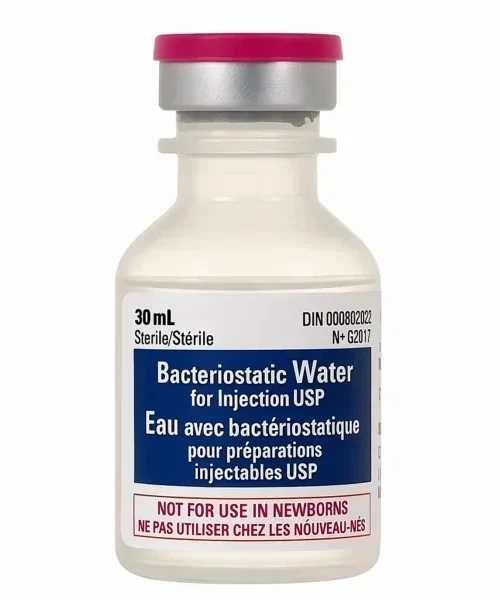
Always use bacteriostatic water (BAC). Sterile technique is essential.

  • 1
    Clean both vial tops with alcohol and let dry completely
  • 2
    For 2mg vial: Add 2mL bacteriostatic water (creates 100mcg per 10 units)
  • 3
    For 5mg vial: Add 2.5mL bacteriostatic water (creates 200mcg per 10 units)
  • 4
    Inject water slowly down the side of the vial to prevent foaming
  • 5
    Gently swirl or roll vial - do not shake vigorously
  • 6
    Solution should be clear and colorless
  • 7
    Label with reconstitution date and concentration
  • 8
    Store immediately in refrigerator at 2-8°C

Quality Indicators

  • ✓

    Third-party COA verification

    Purchase from vendors providing certificates of analysis showing >98% purity and correct molecular weight (887 Da)

  • ✓

    Proper cold chain shipping

    Peptide should arrive with ice packs in insulated packaging, especially in warm weather

  • ✓

    Vacuum-sealed vials

    Legitimate products create vacuum when reconstituted - water should be drawn into vial

  • !

    Monitor for desensitization

    GH response decreases over time - follow cycling protocols strictly

  • !

    Cortisol and prolactin effects

    Unlike Ipamorelin, hexarelin can elevate cortisol and prolactin - monitor if using long-term

  • ✗

    Pre-mixed solutions

    Avoid pre-reconstituted products - hexarelin degrades rapidly in solution

  • ✗

    Discolored or cloudy solution

    Solution must be clear - any discoloration indicates degradation

What to Expect

  • Day 1-7: Improved sleep quality, potential facial flushing post-injection, increased appetite possible

  • Week 2-4: Enhanced recovery from exercise, improved skin quality, beginning of body composition changes

  • Week 4-8: Noticeable improvements in lean mass and fat loss, some desensitization may begin

  • Week 8-12: Continued benefits but GH response reduced 40-50% from baseline

  • Week 12-16: Maximum cycle length - take mandatory 4-6 week break to restore sensitivity

  • Post-cycle: GH response recovers to near-baseline within 4 weeks off

Side Effects & Safety

  • Most potent GHRP but also highest side effect profile among GHRPs
  • Elevates cortisol and prolactin at standard doses - unlike Ipamorelin
  • May cause water retention, particularly in first 1-2 weeks
  • Can affect glucose metabolism - monitor if diabetic or pre-diabetic
  • Not recommended for those with active cancer due to growth-promoting effects
  • WADA prohibited substance - banned in competitive sports
  • Secondary hypogonadism possible with prolonged use due to prolactin elevation
  • Partial desensitization is normal and reversible with cycling
  • Persistent joint pain or carpal tunnel symptoms (indicates excessive GH)
  • Severe water retention or edema not resolving after 2 weeks
  • Signs of gynecomastia (from elevated prolactin)
  • Significant fatigue or lethargy
  • Blood glucose dysregulation
  • Unexplained headaches or vision changes
  • Any signs of allergic reaction at injection sites

References

Growth Hormone-Releasing Activity of Hexarelin in Humans (1994)

Human | 0.5-2 μg/kg IV | Single dose | 12 adult males

Double-blind, placebo-controlled dose-response study demonstrating dose-dependent GH release. Peak plasma GH at 30 minutes, returning to baseline within 240 minutes. Cmax values: 26.9 ng/ml (0.5 μg/kg), 52.3 ng/ml (1 μg/kg), 55.0 ng/ml (2 μg/kg) vs 3.9 ng/ml placebo.

View Study →

Hexarelin Treatment Preserves Myocardial Function After MI (2018)

Mouse model | 0.3 mg/kg/day SubQ | 21 days | LAD ligation

Demonstrated significant improvement in LV function after 14 days. Hexarelin treatment reduced LV collagen concentration by ~53%, decreased inflammatory cytokines (TNF-α, IL-1β), and shifted autonomic balance toward parasympathetic predominance.

View Study →

Protective Effects of Hexarelin in ALS Neuroblastoma Model (2023)

In vitro | 1 μM | Human neuroblastoma cells | SOD1-G93A mutation

Hexarelin protected cells from H2O2-induced cytotoxicity by increasing Bcl-2 expression, reducing caspase-3 activation, and modulating MAPK/Akt pathways. Significantly decreased γH2AX positive cells indicating DNA damage protection.

View Study →

Cardiovascular Action of Hexarelin Review (2014)

Review | Multiple studies | CD36 receptor mechanism

Comprehensive review establishing hexarelin's cardioprotective effects through CD36 cardiac receptor binding independent of GH release. Documented anti-apoptotic effects, reduced infarct size in ischemia-reperfusion, and improved LVEF by 6.7 percentage points in human volunteers.

View Study →

Hexarelin Desensitization Study (2000)

Human | SubQ twice daily | 16 weeks | 12 elderly subjects

Investigated long-term GH response attenuation. AUC-GH decreased significantly from baseline at weeks 4 and 16. Four weeks post-treatment, GH response recovered to baseline levels, demonstrating desensitization is partial and reversible.

View Study →

Hexarelin Pharmacokinetics in Rats (1999)

Rat model | IV and SubQ | Multiple doses | PK analysis

IV administration showed half-life of 75.9 min, clearance of 7.6 ml/min/kg, and Vd of 744 ml/kg. SubQ administration confirmed absence of accumulation with dose-independent clearance (12-15 ml/min/kg).

View Study →