Livagen

Overview

What is Livagen ?

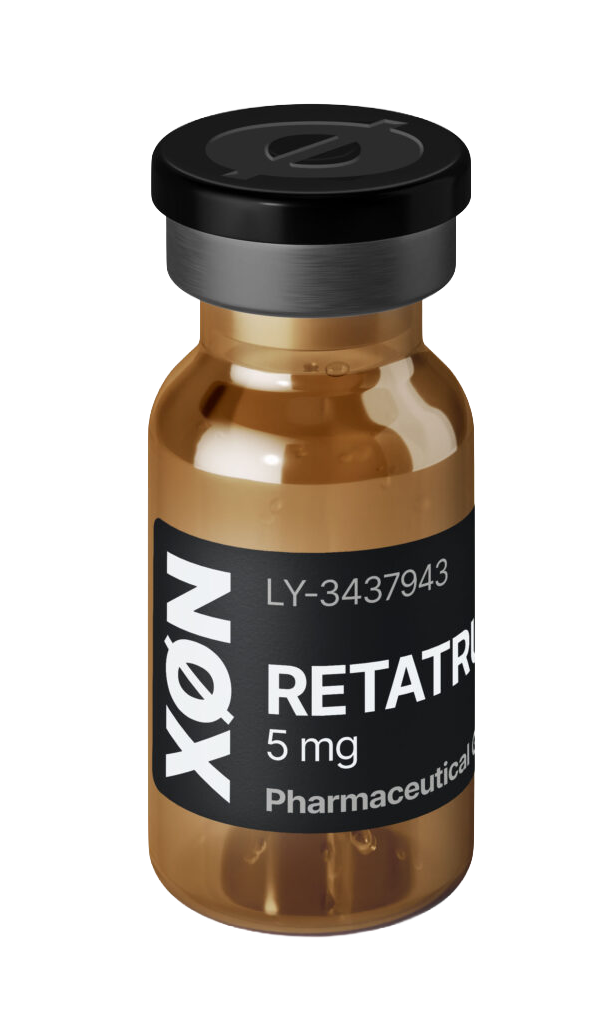
Livagen is a synthetic tetrapeptide with the verified sequence Lys-Glu-Asp-Ala (KEDA), developed by Vladimir Khavinson and colleagues at the St. Petersburg Institute of Bioregulation and Gerontology as a synthetic analog of the natural liver polypeptide complex Ventvil. The compound is documented in approximately 15 PubMed-indexed papers across two collaborating research networks (Khavinson institute in St. Petersburg; Lezhava and Dzhokhadze group in Tbilisi). The most-cited mechanism (PMID 12533768, Bull Exp Biol Med 2002) is epigenetic chromatin remodeling: ex vivo treatment of lymphocytes from elderly donors induced decondensation of pericentromeric structural heterochromatin and reactivated age-silenced ribosomal RNA genes. Additional documented activities include enkephalinase inhibition in human serum (IC50 ~20 micromolar, PMID 12942748), age-normalization of digestive enzyme activity in rats given oral KEDA (PMID 16075683), and hepatocyte protein synthesis enhancement in cultured rat liver cells (PMID 15926314). A 2020 Khavinson-group review (PMID 32362099) synthesizes animal hepatitis and cirrhosis model data. No randomized controlled trial, no human pharmacokinetic study, and no fully independent (non-Khavinson-network) Western replication has been published. IMPORTANT SEQUENCE CORRECTION: Livagen is KEDA, not KEDG. KEDG is the sequence for Testagen, a different Khavinson peptide. Vendors and biohacking sources occasionally cite the wrong sequence.

Key Benefits

Proposed chromatin remodeler with ex vivo evidence for de-heterochromatinization in aged lymphocytes and rat hepatocyte protein synthesis enhancement

Mechanism of Action

Synthetic tetrapeptide Lys-Glu-Asp-Ala. Ex vivo evidence indicates pericentromeric structural heterochromatin decondensation and reactivation of age-silenced ribosomal RNA genes in elderly lymphocytes. In vitro evidence shows enkephalinase inhibition in human serum (IC50 ~20 micromolar) without direct opioid receptor binding. In cultured rat hepatocytes, Livagen increased protein synthesis amplitude with the largest effect in old animals. No molecular receptor target has been identified at structural resolution.

Pharmacokinetics

Peak: 3 min Half-life: 30 min Cleared: ~2.5 hrs

Research Indications

Chromatin Reactivation (ex vivo)

Pericentromeric structural heterochromatin decondensation and ribosomal gene reactivation in elderly human lymphocytes.

Hepatocyte Protein Synthesis (preclinical)

Increased protein synthesis amplitude in cultured rat hepatocytes, largest effect in old animals.

Enkephalinase Inhibition (in vitro)

Inhibition of enkephalin-degrading enzymes in human serum (IC50 ~20 micromolar). Physiological significance in vivo not characterized.

Hepatitis / Cirrhosis Animal Models (review-only)

Khavinson 2020 narrative review (PMID 32362099) reports KEDA effects in rodent hepatitis and cirrhosis. No human trial data.

Digestive Enzyme Normalization (rat in vivo)

Age-normalization of glycyl-L-leucine dipeptidase activity in aged rats after 2 weeks of oral KEDA.

Ex Vivo Lymphocyte Protection

Chromosomal radioprotection and chemoprotection in elderly donor lymphocytes. Ex vivo model only.

Peptide Interactions

Testagen has the sequence Lys-Glu-Asp-Gly (KEDG) and is a gonadal bioregulator. Livagen has the sequence Lys-Glu-Asp-Ala (KEDA). The two are routinely confused because of the shared KED prefix. Verify the COA before use; sourcing the wrong compound delivers Testagen activity instead of Livagen.
Both are short Khavinson bioregulators with chromatin-level effects. The 2002 foundational Bull Exp Biol Med paper (PMID 12533768) and follow-up Lezhava studies compared Livagen and Epitalon and found both produced pericentromeric heterochromatin decondensation in elderly lymphocytes, with overlapping but distinct chromosome targets. Co-administration is part of the Khavinson protocol framework.
Vilon (Lys-Glu, KE) shares two amino acids with Livagen and overlapping chromatin effects in the same ex vivo lymphocyte model. Co-administration is common in Khavinson short-peptide protocols. No documented adverse interaction.
Cortagen is another Khavinson short peptide tested in the same ex vivo lymphocyte chromatin model (PMID 15085253, 37042594). Mechanistically overlapping but tissue-specific differences. No documented adverse interaction.
Livagen inhibits enkephalin-degrading enzymes in human serum in vitro (IC50 ~20 micromolar, PMID 12942748). The physiological significance of this finding at achievable in vivo concentrations is uncharacterized, but combining Livagen with opioid analgesics or other peptidase-inhibiting drugs is theoretically not innocuous.
No published interaction data. Mechanism is local epigenetic regulation, not systemic immunomodulation, so interaction is theoretically minimal but not characterized.
The Khavinson group proposes Livagen as hepatoprotective based on a 2020 narrative review (PMID 32362099) of animal hepatitis and cirrhosis models. Whether this translates to protection against hepatotoxic drug therapy (acetaminophen overdose, methotrexate, etc.) in humans has not been studied. Do not rely on Livagen for hepatic risk mitigation in real clinical drug use.
Livagen has been tested ex vivo in breast cancer patient lymphocytes (PMID 28574395) for chromosomal protection. Use in active oncology has not been studied in vivo, and the chromatin-deheterochromatinization mechanism could theoretically interact unpredictably with cytotoxic therapy.

How to Reconstitute

Important

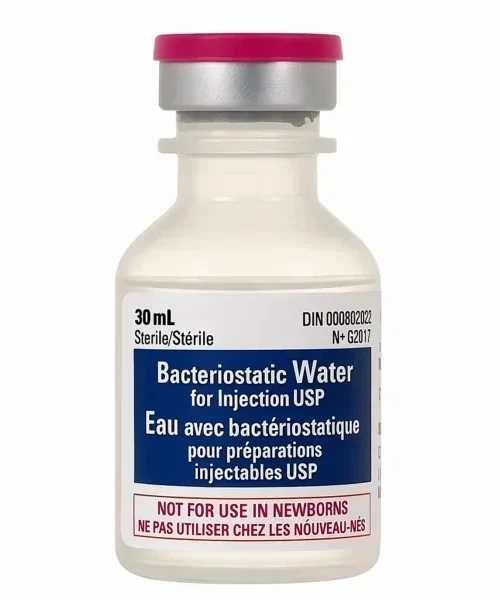
Livagen is supplied as a lyophilized powder. Reconstitute with 0.9% sterile sodium chloride or bacteriostatic water immediately before use. No human pharmacokinetic study has been published; storage and use guidance below follow general short-peptide conventions. Store lyophilized vials at 2-8°C.

  • 1
    Store lyophilized vial at 2-8°C until use
  • 2
    Allow vial to reach room temperature for 5-10 minutes
  • 3
    Add solvent slowly down the vial wall; do not shake
  • 4
    Gently swirl until fully dissolved (solution should be clear)
  • 5
    Reconstitution volume is operator-dependent because no human dose has been published; common community practice is 1-2 mL per 10 mg vial
  • 6
    Use reconstituted solution within 7-10 days; store at 2-8°C between uses

Quality Indicators

  • ✓

    White lyophilized powder

    Legitimate Livagen appears as a white to off-white lyophilized powder. Discoloration, browning, or moisture indicates degradation.

  • ✓

    Sealed vial with batch and expiry

    Inspect the seal, batch number, and expiry date. Vials without batch documentation should not be used.

  • ✓

    Clear reconstituted solution

    Reconstituted Livagen should be completely clear and colorless after gentle swirling.

  • ✓

    Refrigerated cold chain

    Lyophilized vials require 2-8°C storage. Verify cold-pack shipping for any vendor purchase.

  • !

    Verify sequence is KEDA, not KEDG

    Livagen is Lys-Glu-Asp-Ala (KEDA). KEDG (Lys-Glu-Asp-Gly) is Testagen, a different compound. Some vendors and biohacking sources cite the wrong sequence. Demand a COA that specifies KEDA.
  • !

    Research-grade only

    Livagen is sold internationally as a research chemical. No pharmaceutical-grade product is registered. Third-party identity testing is reasonable.

  • ✗

    Cloudy, yellow, or particulate solution

    Discard. Indicates degradation, contamination, or incorrect reconstitution.

What to Expect

  • No published human pharmacokinetic data and no published human efficacy timeline.

  • Ex vivo lymphocyte chromatin shifts occur within 24-72 hours of cell exposure.

  • Rat oral digestive-enzyme normalization observed over a 2-week dosing course.

  • Hepatocyte protein synthesis enhancement is amplitude-based, not threshold-based, in the published rat cell-culture model.

Side Effects & Safety

  • No structured Phase I safety study has been published. The 15-paper PubMed footprint is overwhelmingly ex vivo lymphocyte and rat hepatocyte work with no formal AE reporting; absence of reported events does not equal demonstrated safety.
  • As a tetrapeptide of naturally occurring L-amino acids, acute systemic toxicity is expected to be low on class grounds, but this is inference, not data.
  • The enkephalinase-inhibition mechanism (in vitro IC50 ~20 micromolar, PMID 12942748) is theoretically capable of altering endogenous opioid tone; clinical significance has not been studied. Treat the opioid interaction line on this page as directional logic.
  • Pregnancy, lactation, renal/hepatic impairment, and pediatric use have not been studied; default to non-use in these populations.
  • Russian-language source publications often omit dose, route, and AE detail from the available English abstracts; full text review may reveal more.
  • Not FDA approved, not EMA approved, no verified Russian pharmaceutical drug registration. Sold internationally as a research chemical.
  • Signs of allergic reaction or hypersensitivity
  • Unusual neurologic symptoms (the enkephalinase-inhibition mechanism is theoretically capable of altering endogenous opioid tone)
  • Injection site reactions beyond mild transient redness
  • Any unexpected systemic symptoms

References

Livagen on Chromatin Activation in Elderly Lymphocytes (Bull Exp Biol Med, 2002)

Human | Ex vivo lymphocytes | Elderly donors | Khavinson-Lezhava

Foundational paper. Ex vivo treatment of human lymphocytes from elderly donors with Livagen induced ribosomal gene activation, pericentromeric structural heterochromatin decondensation, and reactivation of age-silenced loci. The basis for the chromatin-remodeling epigenetic hypothesis. Sample size not specified in abstract; no blinding protocol described.

View Study →

Livagen and Epitalon on Serum Enkephalinases (Izv Akad Nauk Biol, 2003)

In vitro | Human serum | Enkephalinase assay

Livagen inhibited enkephalin-degrading enzymes in human serum with IC50 ~20 micromolar, outperforming puromycin, leupeptin, and D-PAM in this assay. Livagen did not directly bind opioid receptors. Physiological significance at achievable in vivo concentrations is uncharacterized.

View Study →

Digestive Enzyme Normalization in Aged Rats (Adv Gerontol, 2005)

Rat | Oral gavage | 2 weeks | Age-stratified

Oral administration of Livagen to rats over 2 weeks. Livagen was weakly hydrolyzed by intestinal peptidases (suggesting partial oral bioavailability). In aged rats, glycyl-L-leucine dipeptidase activity normalized toward young-control levels. Specific dose not reported in abstract.

View Study →

Hepatocyte Protein Synthesis (Izv Akad Nauk Biol, 2001)

Rat | Cultured hepatocytes | Age-stratified

Cultured hepatocytes from rats aged 1-24 months. Livagen increased protein synthesis amplitude across age groups with the largest effect in old animals. Epitalon showed no hepatocyte effect, providing a useful internal negative control. In vitro setting precludes systemic conclusions.

View Study →

Anti-Aging Peptide Chromatin Reactivation (Ann NY Acad Sci, 2007)

Human | Ex vivo lymphocytes | Lezhava-Jokhadze

Published in a Western peer-reviewed journal. Confirmed chromatin reactivation and pericentromeric/telomeric heterochromatin decondensation in old human lymphocytes treated with Livagen and related Khavinson peptides. Authored by the Lezhava/Jokhadze collaborative network (not fully independent of Khavinson).

View Study →

KEDA in Hepatitis and Cirrhosis Animal Models (Adv Gerontol, 2020)

Review | Rat hepatitis / cirrhosis models

Narrative review synthesizing animal model evidence for Ventvil (liver polypeptide complex) and the synthetic KEDA tetrapeptide in experimental hepatitis and cirrhosis. Reports normalization of immune and antioxidant status and restoration of liver function. Source data is rodent; no human trial data is synthesized.

View Study →