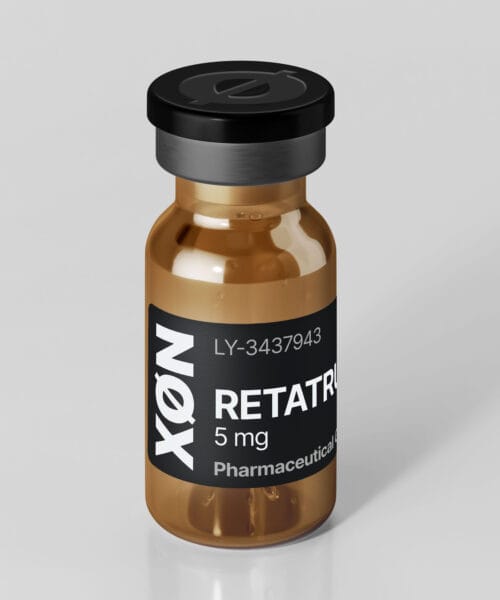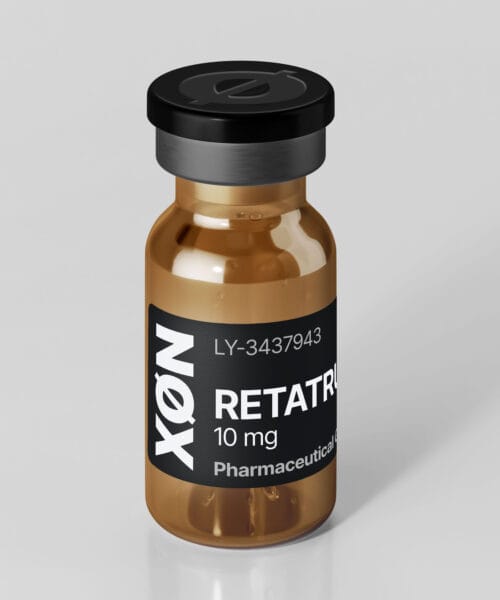
Overview

What is LL-37?

LL-37 is the only human cathelicidin antimicrobial peptide, a 37-amino acid cationic peptide derived from hCAP18 that exhibits broad-spectrum antimicrobial activity against bacteria, viruses, and fungi while modulating immune responses and promoting wound healing.

Key Benefits

Systemic immune support, broad-spectrum antimicrobial activity, enhanced wound healing from within

Mechanism of Action

Subcutaneous administration provides systemic distribution for immune modulation and antimicrobial support throughout the body

Pharmacokinetics

Peak: 3 min Half-life: 30 min Cleared: ~2.5 hrs

Research Indications

Innate Immune System Enhancement

Supports natural defense mechanisms against bacterial, viral, and fungal pathogens

Antimicrobial Resistance Support

Effective against multidrug-resistant bacteria including MRSA and MDRPA strains

Immunomodulatory Effects

Regulates inflammatory responses and supports balanced immune function

Accelerated Tissue Repair

Promotes keratinocyte proliferation and migration for faster wound closure

Angiogenesis Enhancement

Stimulates new blood vessel formation critical for healing process

Infection Prevention

Provides antimicrobial protection during vulnerable healing phases

Cytokine Regulation

Modulates pro-inflammatory and anti-inflammatory cytokine production

Neutrophil Chemotaxis

Attracts immune cells to sites of infection or injury

LPS Neutralization

Binds and neutralizes bacterial endotoxins reducing septic responses

Research Protocols

Disclaimer

These are commonly discussed research protocols and not medical advice. Consult a healthcare provider before use.

GoalDoseFrequencyRoute
Immune System Support 100 mcg daily Once daily SubQ
Infection Recovery Support 150-200 mcg daily Once daily SubQ
Research Applications 50-100 mcg Twice daily SubQ
Chronic Wound Support 100-150 mcg daily Once daily SubQ

Timing

Evening administration may optimize natural circadian immune function. Can be taken with or without food as absorption is independent of meals.

Peptide Interactions

Enhanced wound healing and tissue repair through complementary mechanisms - LL-37 provides antimicrobial protection while BPC-157 accelerates tissue regeneration.
Combined anti-inflammatory and healing effects with LL-37 providing antimicrobial activity and TB-500 enhancing cellular migration and angiogenesis.
LL-37 demonstrates synergistic effects with chloramphenicol, ciprofloxacin, and oxacillin against multidrug-resistant bacteria, with FICI values 0.25-0.5.
Vitamin D3 acts as cofactor for VDR to induce endogenous LL-37 production, enhancing innate immune responses and antimicrobial activity.
Both antimicrobial peptides can be used together safely with no documented negative interactions in wound healing applications.
High salt concentrations in physiological environments can reduce LL-37 antimicrobial activity. Consider dosing adjustments in high-salt conditions.
Physical incompatibility may occur with certain amino acid solutions, particularly in IV formulations. Avoid co-administration in same solution.
Limited data on interactions with other synthetic antimicrobial peptides. Clinical interaction profile not established for most combinations.

How to Reconstitute

Important

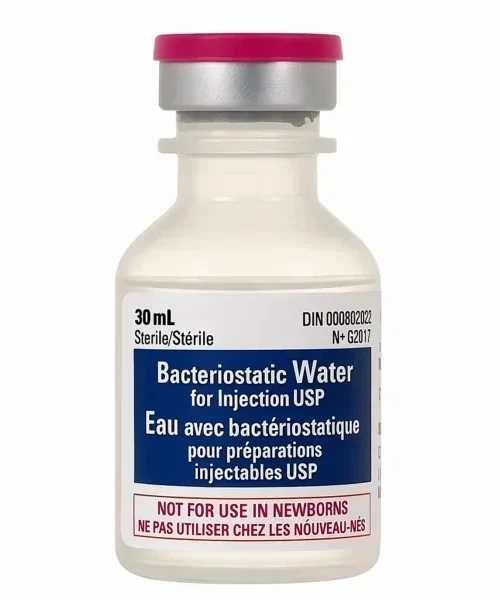
Always use bacteriostatic water (BAC). Sterile technique is essential.

  • 1
    Allow LL-37 vial to reach room temperature before reconstitution
  • 2
    Add appropriate volume of bacteriostatic water slowly to peptide vial
  • 3
    Gently swirl or roll vial to dissolve - do not shake vigorously
  • 4
    Calculate dose based on final concentration (typically 1-2 mg/mL)
  • 5
    Use sterile technique for injection preparation
  • 6
    Inject subcutaneously in abdomen, thigh, or upper arm areas
  • 7
    Rotate injection sites to prevent tissue irritation

Quality Indicators

  • ✓

    Clear colorless solution

    LL-37 should dissolve into clear, colorless solution without particles or cloudiness

  • ✓

    Proper peptide purity

    Certificate of analysis showing ≥98% purity by HPLC with minimal impurities

  • ✓

    Lyophilized powder form

    White to off-white freeze-dried powder with proper storage under inert atmosphere

  • ✓

    Cold chain maintenance

    Shipped and stored at 2-8°C with proper temperature monitoring throughout transport

  • ✗

    Discolored or cloudy solution

    Any yellow discoloration, cloudiness, or visible particles indicates degradation or contamination

  • ✗

    Pre-mixed liquid formulations

    LL-37 is unstable in solution long-term; avoid pre-mixed or flavored liquid products

  • !

    Room temperature storage

    Brief room temperature exposure acceptable but peptide should be refrigerated promptly after reconstitution

What to Expect

  • Week 1-2: Initial immune system modulation, possible mild injection site reactions

  • Week 2-4: Enhanced antimicrobial activity, improved wound healing if applicable

  • Week 4-8: Sustained immune support, optimized inflammatory responses

  • Week 8-12: Maximum benefits for chronic applications, established immune enhancement

Side Effects & Safety

  • Monitor injection sites for excessive irritation or inflammatory reactions
  • Start with lower doses (50-100 mcg) to assess individual tolerance
  • Discontinue if signs of hypersensitivity or allergic reactions develop
  • Use proper sterile injection technique to prevent contamination
  • Severe injection site reactions with spreading inflammation
  • Signs of allergic reaction (rash, difficulty breathing, swelling)
  • Persistent flu-like symptoms or malaise
  • Any signs of infection at injection sites

References

MRSA Biofilm Eradication Study (2019)

In vitro | 10-100 μM | 60 minutes | >4 log reduction in biofilm

CDC biofilm reactor study showing LL-37 achieved superior antimicrobial efficacy against Staphylococcus aureus biofilms compared to conventional antibiotics and silver nanoparticles.

View Study →

Multidrug-Resistant Bacteria Study (2017)

Clinical isolates | 1-256 μg/mL MIC | Various pathogens | Broad-spectrum activity

Comprehensive antimicrobial profile study against human pathogens including antibiotic-resistant strains, demonstrating broad-spectrum activity and potential as alternative to conventional antibiotics.

View Study →

Venous Leg Ulcer Clinical Trial (2014)

Humans | 0.5-3.2 mg/mL topical | 4 weeks | 68% ulcer area reduction at 0.5 mg/mL

First-in-man randomized, placebo-controlled trial in 34 participants with hard-to-heal venous leg ulcers. Demonstrated significant wound healing improvement with 6-fold higher healing rate constants for optimal doses.

View Study →

Structural Analysis in Lipid Micelles (2008)

NMR spectroscopy | Molecular structure | Amphipathic helix characterization

High-resolution NMR study determining three-dimensional structure of LL-37 in SDS micelles, revealing curved amphipathic helix-bend-helix motif critical for antimicrobial activity.

View Study →

Melanoma Phase I Clinical Trial (NCT02225366)

Humans | Intratumoral injection | 8 weeks | Safety and immune stimulation

Phase I dose-escalation study evaluating intratumoral LL-37 injections in melanoma patients with cutaneous metastases, demonstrating safety and potential immune system stimulation.

View Study →

Diabetic Foot Ulcer Clinical Trial (NCT04098562)

Humans | LL-37 cream | 28 days | Enhanced granulation tissue formation

Randomized controlled trial evaluating LL-37 cream in diabetic foot ulcers with mild infection, showing enhanced healing rate and granulation index improvement.

View Study →