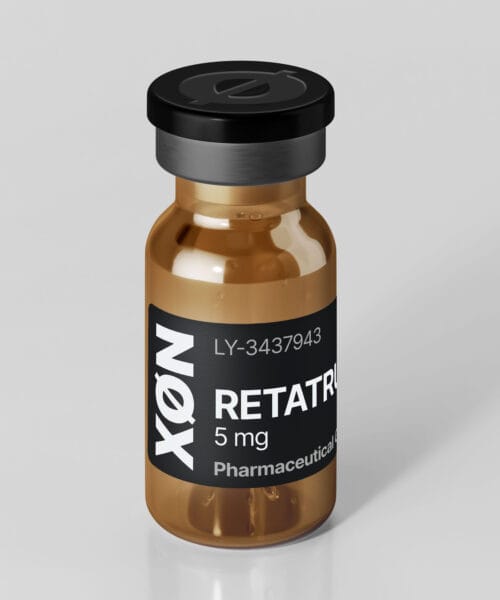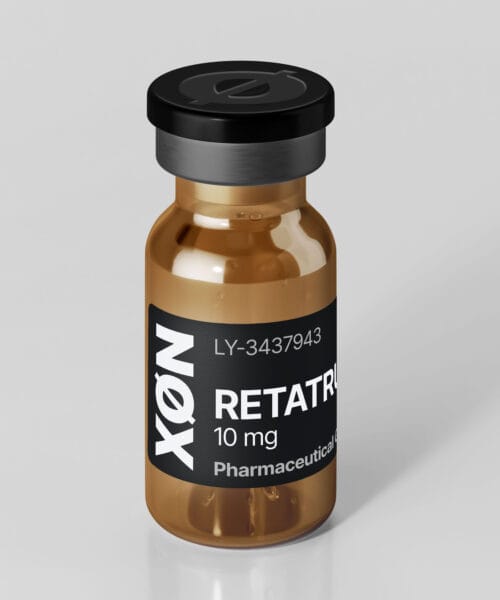
Prostamax

Overview

What is Prostamax?

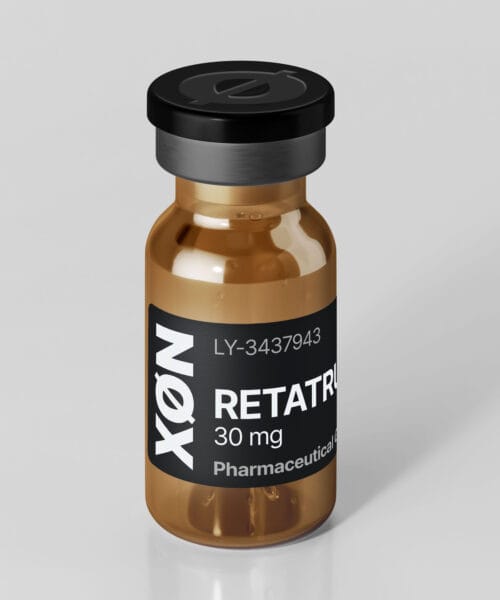
Prostamax (Lys-Glu-Asp-Pro/KEDP) is a synthetic tetrapeptide bioregulator from the Khavinson peptide family that demonstrates prostate-specific tissue effects. Preclinical research shows anti-inflammatory and tissue-protective properties in chronic prostatitis models, with emerging interest in epigenetic chromatin regulation and anti-aging applications. Human clinical trial data remains limited.

Key Benefits

Direct systemic delivery, optimal bioavailability for prostate tissue targeting, established preclinical protocols

Mechanism of Action

Subcutaneous injection provides systemic circulation for tissue-specific bioregulation of prostate gland cells

Research Indications

Chronic Prostatitis

Preclinical studies show reduced inflammation markers including tissue swelling, vascular hyperemia, and lymphoid infiltration in chronic aseptic prostatitis models

Anti-Sclerotic Effects

Research demonstrates prevention of sclerotic and atrophic processes that characterize chronic inflammatory prostate conditions

Tissue Regeneration

Enhanced proliferative and metabolic activity in prostate epithelial cells and fibroblasts in culture systems

Chromatin Decondensation

Studies show heterochromatin decondensation in human lymphocytes, potentially reactivating genes suppressed by aging

Epigenetic Regulation

Elevated frequency of sister chromatid exchanges and Ag-positive nucleolus organizer regions observed in elderly subjects

Cellular Function

Maintains efficacy in aged tissues where individual amino acids show diminished impact

Lymphocyte Function

Influences chromatin structural dynamics in human lymphocytes, potentially optimizing immune cell function

Chromosome Modifications

Affects chromosomes 1, 9, and 16 structural patterns with activation of heterochromatic regions

Research Protocols

Disclaimer

These are commonly discussed research protocols shared for educational reference. This is not medical advice and is not a substitute for guidance from a qualified healthcare provider.

GoalDoseFrequencyRoute
Prostate Health Support 0.5-1mg daily Once daily SubQ
Anti-Aging Protocol 0.75mg daily Once daily for 10-20 days SubQ
Preclinical Reference (Rat Model) 20 μg/kg Daily for 15 days IM

Timing

Morning administration recommended. Rotate injection sites to prevent irritation.

Peptide Interactions

Both are Khavinson bioregulators with complementary mechanisms. Prostamax targets prostate tissue while Epitalon focuses on telomerase activation. Russian protocols combine multiple bioregulators for comprehensive anti-aging support.
Safe combination supporting prostate-immune axis. Both are short Khavinson peptides with different tissue specificities. Long-term Russian studies show safety of multi-peptide bioregulator protocols.
Different target tissues with no known interactions. Pinealon targets neurological pathways while Prostamax focuses on prostate tissue. Can be used in comprehensive bioregulator protocols.
Different mechanisms with no documented interactions. BPC-157 focuses on tissue repair and GI protection while Prostamax provides prostate-specific bioregulation.
Both affect prostate tissue - effects may overlap or be amplified. Monitor for enhanced effects and consult healthcare provider if using together.
Both influence prostate tissue. Theoretical concern for combined effects on prostate growth. Monitor PSA levels and prostate symptoms if using together.
Preclinical studies compared Prostamax favorably to Serenoa repens extract. Different mechanisms - may provide complementary prostate support.

How to Reconstitute

Important

Always use bacteriostatic water (BAC). Sterile technique is essential.

  • 1
    Remove lyophilized powder from refrigeration and allow to reach room temperature
  • 2
    Clean vial tops with alcohol swabs and allow to dry completely
  • 3
    Add 2.0mL bacteriostatic water to achieve 10mg/mL concentration
  • 4
    Inject water slowly down the side of the vial to minimize foaming
  • 5
    Gently swirl (do not shake) until powder dissolves completely - solution should be clear
  • 6
    Store reconstituted solution in refrigerator at 2-8°C
  • 7
    Use within 14 days of reconstitution for optimal potency

Quality Indicators

  • ✓

    White Lyophilized Powder

    Prostamax should appear as white to off-white freeze-dried powder indicating proper manufacture

  • ✓

    Clear Reconstituted Solution

    When properly mixed, solution should be crystal clear with no particles or cloudiness

  • ✓

    Certificate of Analysis

    Reputable sources provide third-party testing documentation showing 99%+ purity

  • !

    Research Grade Product

    Prostamax is sold as a research peptide - not approved for human consumption in most jurisdictions

  • X

    Discolored or Clumped Powder

    Yellow, brown, or heavily clumped powder indicates degradation or contamination

  • X

    Cloudy Solution

    Persistent cloudiness or precipitates after mixing indicate degraded or contaminated peptide

What to Expect

  • Week 1-2: Subtle improvements may begin; reduced inflammation markers in preclinical models

  • Week 2-3: Enhanced tissue function and cellular activity based on animal studies

  • Week 3-4: Peak effects observed in preclinical research protocols

  • Side effects: Mild injection site reactions possible

  • Note: Human clinical data is limited - effects extrapolated from preclinical research

Side Effects & Safety

  • Human clinical trial data not yet published - dosing extrapolated from preclinical models
  • Possible mild injection site reactions (redness, swelling)
  • Rare reports of mild digestive discomfort or headache
  • Contraindicated when active prostate malignancy exists - theoretical concern for tumor growth stimulation
  • Not recommended during pregnancy or lactation
  • Quality sourcing critical - verify purity and avoid contaminated products
  • Persistent injection site reactions or signs of infection
  • Unusual urinary symptoms or prostate discomfort
  • Signs of allergic reaction (rash, swelling, difficulty breathing)
  • Severe digestive issues or persistent headache
  • Any concerning symptoms - consult healthcare provider immediately

References

Benign Prostatic Hyperplasia Model (2014)

Animal model | BPH parameters | Histological assessment

Study examining tetrapeptide Lys-Glu-Asp-Pro effects in benign prostatic hyperplasia model, showing favorable effects on prostate weight and histological parameters.

View Study →

Chronic Aseptic Prostatitis - Rat Model (2013)

Rat model | 20 μg/kg IM daily | 45 days observation | Anti-inflammatory effects

Experimental study demonstrating Prostamax reduces inflammation markers (swelling, hyperemia, lymphoid infiltration), prevents sclerotic and atrophic processes, and enhances sexual activity. Efficacy surpassed Serenoa repens and animal prostate extracts.

View Study →

Deheterochromatinization in Aging (2012)

Human cell cultures | Elderly subjects | Chromatin relaxation

Georgian Medical News study confirming Prostamax (KEDP) induces deheterochromatinization in chromatin from elderly subjects, potentially reversing age-related gene silencing.

View Study →

Lymphocyte Chromatin in Elderly Subjects (2004)

Human lymphocytes | Subjects aged 75-88 | Chromatin structure analysis

Khavinson study showing Prostamax induces ribosome gene activation, chromatin decondensation, and affects structural patterns in chromosomes 1, 9, and 16 in elderly subjects.

View Study →

Heterochromatin Effects - Biofizika Study (2004)

Human lymphocyte culture | In situ analysis | Epigenetic effects

Russian study by Meskhi et al. demonstrating Prostamax influences heterochromatin structure in human lymphocytes, with implications for age-related gene expression changes.

View Study →