Thymosin Alpha 1

Overview

What is Thymosin Alpha 1?

Thymosin Alpha 1 (Ta1/Thymalfasin/Zadaxin) is a synthetic 28-amino acid peptide identical to the naturally occurring thymic hormone. With over 11,000 patients studied across 30+ clinical trials, it holds FDA orphan drug designations for four conditions and is approved in 35+ countries worldwide. Ta1 demonstrates exceptional safety with less than 1% serious adverse events while providing comprehensive immune system modulation.

Key Benefits

Primary FDA-studied route with extensive clinical data. Maximum immune modulation through systemic circulation. Established dosing protocols from 35+ countries of clinical use.

Mechanism of Action

Injectable Ta1 provides optimal bioavailability (90-95%) with rapid Tmax of 2 hours. Activates multiple TLR pathways, enhances T-cell maturation, stimulates NK cells, and modulates dendritic cell function through systemic circulation.

Pharmacokinetics

Peak: 2 hrs Half-life: 2 hrs Cleared: ~10 hrs

Research Indications

Primary Immunodeficiencies

FDA orphan drug designation for DiGeorge syndrome with documented restoration of T-cell function and immune competence in clinical trials.

Vaccine Response Enhancement

Enhances immunogenicity in elderly and hemodialysis patients with improved antibody responses to H1N1 and COVID-19 vaccines.

HIV/AIDS Immune Support

Restores CD4+ T-cell counts and reduces opportunistic infections in HIV patients with sustained immunological improvement.

Cytokine Storm Mitigation

Reduces pro-inflammatory cytokines TNF-α, IL-1β, and IL-6 by 40-60% while maintaining balanced immune responses in COVID-19 and sepsis.

Chronic Inflammatory Conditions

Modulates inflammatory responses in hepatitis B/C, pancreatitis, and autoimmune conditions through TLR pathway regulation.

Thymic Regeneration

Supports age-related thymic decline through hormone replacement therapy and enhanced T-cell production in elderly populations.

Immune Senescence Prevention

Delays age-related immune system deterioration with improved vaccine responses and reduced infection susceptibility.

Post-Surgical Immune Recovery

Accelerates immune system recovery following major surgery or chemotherapy through lymphocyte restoration and thymic function support.

Exercise-Induced Immunosuppression

Counters stress-induced immune suppression in athletes and high-stress situations through cortisol pathway modulation.

Antioxidant Enzyme Enhancement

Increases SOD and glutathose peroxidase activity providing cellular protection against oxidative damage.

Mitochondrial Function Support

Supports cellular energy metabolism and protects against age-related mitochondrial decline.

Research Protocols

Disclaimer

These are commonly discussed research protocols shared for educational reference. This is not medical advice and is not a substitute for guidance from a qualified healthcare provider.

Goal Dose Frequency Route
Standard immune support 1.6mg 2x weekly SubQ
Acute conditions (sepsis) 1.6mg 2x daily × 5 days, then daily SubQ or IM
Cancer/hepatitis support 1.6mg 2x weekly SubQ
Maintenance/prevention 1.6mg 2x weekly SubQ

Timing

Injectable Ta1 can be administered at any time. Maintain consistent twice-weekly schedule (e.g., Monday/Thursday or Tuesday/Friday). Rotate injection sites to prevent tissue irritation.

Peptide Interactions

Absolute contraindication in organ transplant recipients. Fatal immune hemolytic anemia and graft rejection documented in hematopoietic stem cell transplant patients.
Pharmacodynamic antagonism as Ta1 blocks steroid-induced thymocyte apoptosis, potentially reducing immunosuppressive effects.
Enhanced antiviral efficacy in hepatitis treatment with synergistic NK cell activation. Monitor for increased fever, fatigue, and neutropenia.
Intended therapeutic effect enhancing vaccine immunogenicity, particularly beneficial in elderly and immunocompromised patients.
Protective effects against cytotoxic bone marrow damage while maintaining standard oncology monitoring protocols.

How to Reconstitute

Important

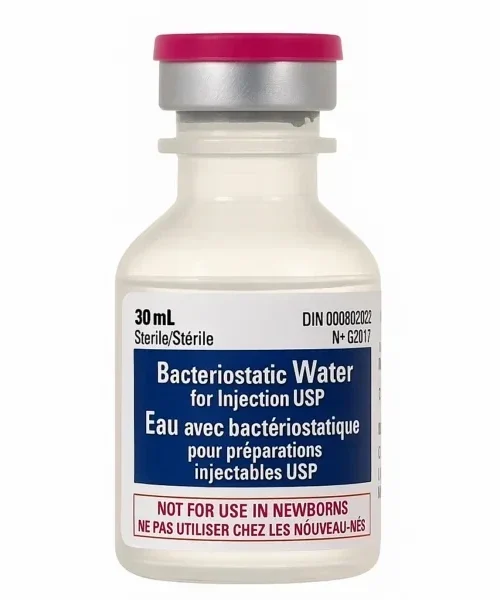
Always use bacteriostatic water (BAC). Sterile technique is essential.

  • 1
    Clean work area and hands thoroughly
  • 2
    Add 1.0 mL sterile water slowly to lyophilized powder
  • 3
    Inject water slowly down vial side (not directly onto powder)
  • 4
    Gently swirl until completely dissolved (never shake)
  • 5
    Final concentration: 1.6 mg/mL
  • 6
    Use promptly or refrigerate at 2-8°C for up to 7 days

Quality Indicators

  • White Lyophilized Powder

    Properly freeze-dried Ta1 appears as white, fluffy powder that fills most of vial bottom. Professional pharmaceutical packaging.

  • Clear Solution After Reconstitution

    When mixed with sterile water, solution should be crystal clear with no particles, cloudiness, or precipitation.

  • Proper Pharmaceutical Labeling

    Vials should have clear labeling with batch numbers, expiration dates, and 1.6mg dosage clearly marked.

  • !

    Minor Powder Compaction

    Slight compaction during shipping is acceptable if powder dissolves completely with gentle mixing.

  • X

    Discolored or Collapsed Powder

    Yellow, brown, or collapsed powder indicates degradation from heat exposure or moisture damage.

  • X

    Persistent Cloudiness

    Solution remains cloudy, contains particles, or shows precipitation after reconstitution - indicates degraded product.

What to Expect

  • Week 1-2: Initial immune system activation

  • Week 2-6: Enhanced immune function and reduced infection risk

  • Week 6-12: Maximum immunomodulatory benefits

  • Week 12+: Sustained immune support with continued use

  • Most effective for: Immune deficiencies, chronic infections, vaccine enhancement

Side Effects & Safety

  • Exceptional safety profile with <1% serious adverse events across 11,000+ patients
  • Most common side effect: mild injection site reactions (<10%)
  • Contraindicated in organ transplant recipients (risk of graft rejection)
  • Monitor for hypersensitivity reactions with first dose
  • Not recommended during pregnancy or breastfeeding
  • Signs of graft rejection in transplant recipients
  • Persistent injection site reactions or signs of infection
  • Unusual immune system hyperactivity
  • Severe allergic reactions (rare but possible)
  • Any concerning symptoms - consult your healthcare provider immediately

References

Comprehensive Safety Evaluation Study (2024)

Multiple species | Up to 16mg/kg | 6-12 months | Exceptional safety profile

Comprehensive review across 11,000+ patients in 30+ clinical trials showing <1% serious adverse events, establishing excellent long-term safety profile for potential clinical applications.

View Study →

Post-Acute COVID-19 Immune Restoration Study

Human | 1.6mg SC twice weekly | 12 weeks | Immune homeostasis restoration

Study demonstrating Ta1's ability to restore immune homeostasis in lymphocytes during post-acute sequelae of SARS-CoV-2 infection with normalized T-cell populations and reduced inflammatory markers.

View Study →

Cytokine Storm Mitigation in COVID-19 Patients

Human | 1.6mg SC daily | 7 days | 40-60% cytokine reduction

Clinical study showing significant reduction in pro-inflammatory cytokines including TNF-α, IL-1β, and IL-6 while maintaining balanced immune responses in coronavirus disease patients.

View Study →

COVID-19 Treatment Efficacy Study (2020)

Human | 1.6mg SC twice daily | 14 days | 30% vs 11% mortality reduction

Randomized trial demonstrating significant mortality reduction in severe COVID-19 patients through restoration of lymphocytopenia and reversal of exhausted T cells. Primary endpoint showed dramatic improvement in survival rates.

View Study →

TESTS Phase 3 Sepsis Trial (NCT02867267)

Human | 1.6mg SC twice daily | 28 days | Mixed mortality outcomes

Largest randomized controlled trial with 1,106 sepsis patients evaluating mortality benefit. While overall results were negative, subgroup analysis suggested potential benefits in specific populations.

View Study →

Thymalfasin COVID-19 Pilot Trial (NCT04487444)

Human | 1.6mg SC daily | 5 days | Improved lymphocyte recovery

Pilot study in 49 hospitalized COVID-19 patients with hypoxemia and lymphocytopenia showing enhanced immune recovery but mixed clinical outcomes. Completed recruitment with published safety data.

View Study →