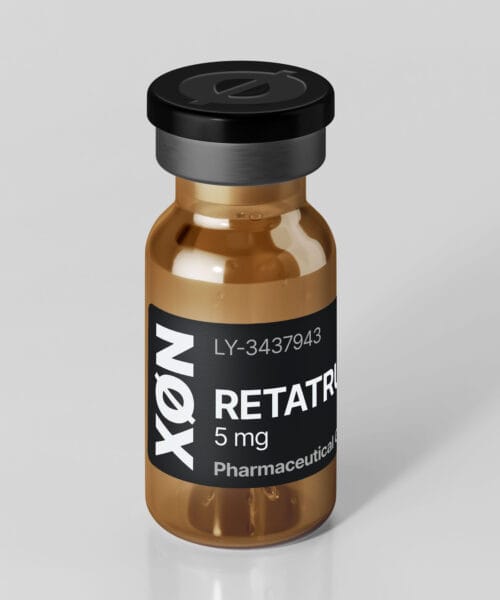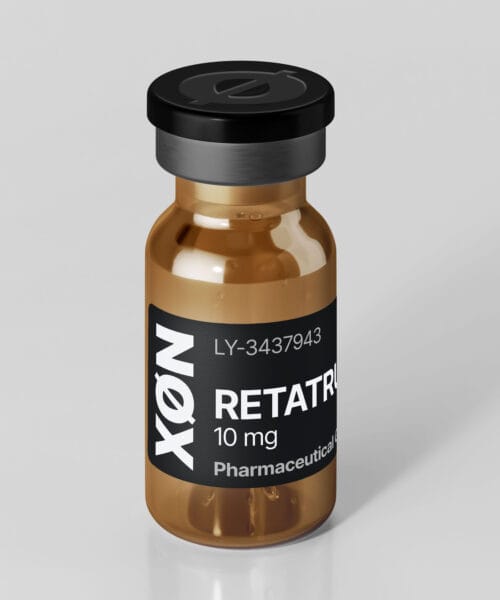
Thymosin Beta-4

Overview

What is Thymosin Beta-4?

Thymosin Beta-4 (Tβ4) is a naturally occurring 43-amino acid peptide that plays a crucial role in tissue repair, wound healing, and cellular regeneration. It promotes angiogenesis, reduces inflammation, and supports the migration and differentiation of various cell types involved in healing processes.

Key Benefits

Systemic regenerative effects, proven clinical efficacy, optimal bioavailability for tissue repair

Mechanism of Action

Direct systemic delivery provides optimal bioavailability and distribution to target tissues for comprehensive regenerative effects

Research Indications

Wound Healing Acceleration

Clinical trials show 67% complete healing vs 25% placebo in pressure ulcers

Post-Surgical Recovery

Enhanced tissue regeneration and reduced healing time in surgical wounds

Soft Tissue Injury Repair

Accelerated recovery in muscle, tendon, and ligament injuries

Cardiac Protection Post-MI

Phase 2b trials show 43% reduction in infarct size when given within 6 hours

Coronary Artery Disease

Improved cardiac function and reduced adverse remodeling

Peripheral Vascular Disease

Enhanced angiogenesis and improved blood flow to affected tissues

Stroke Recovery Enhancement

Improved neurological outcomes and functional recovery in animal models

Traumatic Brain Injury

Reduced brain edema and enhanced neural repair mechanisms

Spinal Cord Injury Support

Neuroprotective effects and functional recovery promotion

Research Protocols

Disclaimer

These are commonly discussed research protocols shared for educational reference. This is not medical advice and is not a substitute for guidance from a qualified healthcare provider.

Goal Dose Frequency Route
Acute Wound Healing 1.6 mg Daily SubQ
Cardiac Protection 42 mg Single dose IV bolus within 6 hours of MI
Chronic Tissue Repair 6 mg Twice weekly SubQ
Neurological Recovery 30 mg Three times over 72 hours IV infusion
General Regeneration 2-5 mg Daily or every other day SubQ
Research Protocol 0.6-14 mg As per study design SubQ or IV as indicated

Timing

Most effective when started early in the injury/healing process. For cardiac protection, must be given within 6 hours of symptom onset. Can be administered any time of day for chronic conditions.

Peptide Interactions

TB-500 is the bioactive fragment of Thymosin β4. Combined use provides full-length peptide benefits plus concentrated bioactive effects for enhanced tissue repair.
Complementary healing mechanisms - Tβ4 promotes cell migration and angiogenesis while BPC-157 enhances gastric protection and systemic healing.
No direct interactions reported. Both promote tissue repair through different pathways and can be used together safely.
Complementary growth factor effects without direct interaction. Both support tissue regeneration through distinct mechanisms.
Steroids may reduce Thymosin β4 effectiveness by inhibiting inflammatory responses necessary for optimal healing.
Tβ4 promotes angiogenesis which may affect bleeding risk. Monitor coagulation parameters when used with warfarin or similar agents.
High-dose NSAIDs may interfere with inflammatory processes necessary for Tβ4-mediated healing. Consider timing or reduced NSAID dosing.
Theoretical concern about promoting angiogenesis in cancer patients. Avoid use during active chemotherapy treatment.

How to Reconstitute

Important

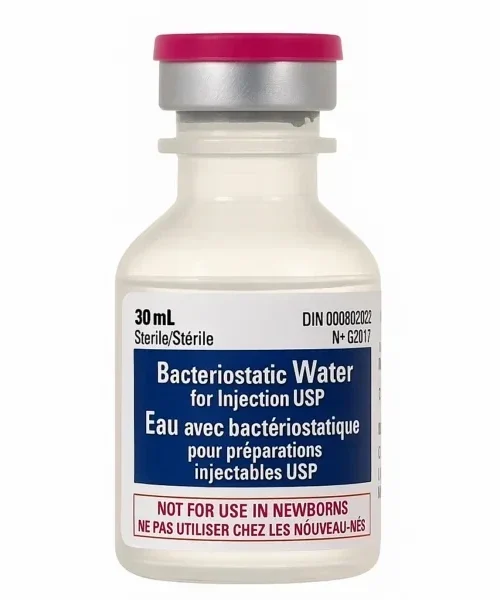
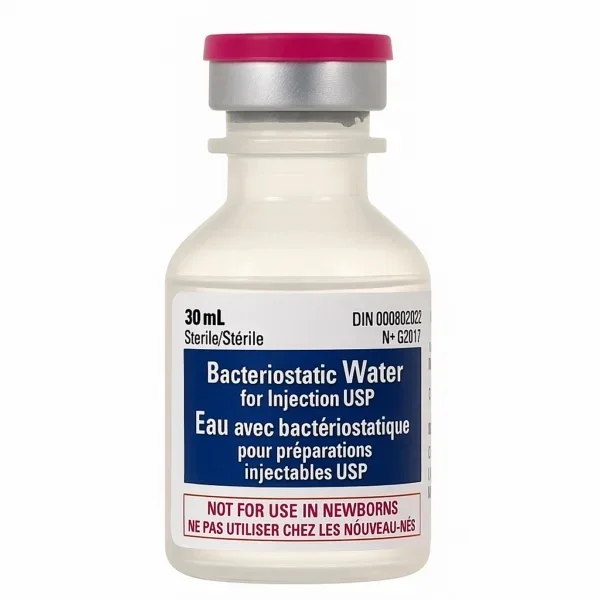
Always use bacteriostatic water (BAC). Sterile technique is essential.

  • 1
    Allow lyophilized powder to reach room temperature before reconstitution
  • 2
    Add bacteriostatic water slowly to the vial wall, avoiding direct contact with powder
  • 3
    Gently swirl (do not shake vigorously) until completely dissolved
  • 4
    Inspect solution for clarity - should be clear and colorless
  • 5
    Store reconstituted solution at 2-8°C and use within 14 days
  • 6
    For injection, use proper aseptic technique and rotate injection sites

Quality Indicators

  • Clear, colorless solution

    Reconstituted Thymosin β4 should be clear and colorless without particles

  • Proper sterile packaging

    Lyophilized powder in sterile vials with intact seals and labeling

  • Certificate of analysis

    Third-party testing showing >98% purity and endotoxin levels <10 EU/mg

  • Appropriate molecular weight

    HPLC/MS confirmation of 4,921 Da molecular weight for 43-amino acid sequence

  • X

    Cloudy or discolored solution

    Any turbidity or color change indicates degradation or contamination

  • X

    Crystallization after reconstitution

    Visible crystals suggest improper storage or expired product

  • !

    Room temperature storage claims

    Legitimate Thymosin β4 requires refrigeration after reconstitution

What to Expect

  • Week 1-2: Initial tissue response, possible mild injection site reactions

  • Week 2-4: Accelerated healing becomes apparent, reduced inflammation

  • Week 4-8: Significant tissue regeneration and functional improvement

  • Week 8-12: Sustained benefits and near-complete healing in responsive conditions

Side Effects & Safety

  • Monitor injection sites for local reactions or inflammation
  • Use sterile technique to prevent infection at injection sites
  • Start with lower doses to assess individual tolerance
  • Discontinue if signs of allergic reaction or unusual side effects
  • Severe injection site reactions or persistent inflammation
  • Signs of systemic allergic reaction (rash, breathing difficulty)
  • Unexpected cardiovascular symptoms during treatment
  • Any signs of infection at injection sites

References

Cardiac Protection Pilot Study: Thymosin β4 in STEMI Patients (2016)

Humans | EPC pre-treatment with Tβ4 | Single transplantation | Improved cardiac function compared to control

First human study of Thymosin β4 in heart attack patients, demonstrating potential clinical benefits in repairing damaged tissue and improving cardiac function.

View Study →

Phase II Dry Eye Clinical Trial Using Controlled Adverse Environment Model (2015)

Humans | 0.1% topical drops | 28 days | Significant improvement in symptoms and corneal staining

Randomized, double-masked, placebo-controlled study in 72 subjects showing significant positive effects on ocular discomfort and corneal staining with excellent safety profile.

View Study →

Phase I Human Safety Study: Intravenous Thymosin β4 (2010)

Humans | 42-1260 mg IV | Single and multiple doses | Excellent safety profile, no dose-limiting toxicity

First-in-human randomized, placebo-controlled study establishing safety and pharmacokinetics of IV Thymosin β4 administration in healthy volunteers.

View Study →

Neurotrophic Keratopathy Compassionate Use Trial (2010)

Humans | 0.1% topical drops | Up to several months | 6 of 9 subjects achieved complete healing

Physician-sponsored compassionate use trial using RGN-259 formulation showing complete clearing of persistent corneal defects in most subjects.

View Study →

Venous Ulcer European Clinical Trial (2007)

Humans | Topical application | 84 days treatment | Safety and healing enhancement evaluation

Double-blind, placebo-controlled, dose-escalation study across 10 European sites evaluating safety, tolerability, and healing enhancement in venous ulcer patients.

View Study →

Pressure Ulcer Clinical Investigation

Humans | Topical application | Phase 2 study | Accelerated wound healing demonstrated

Clinical investigation of topical Thymosin β4 in pressure ulcer patients showing accelerated healing rates compared to standard care.

View Study →