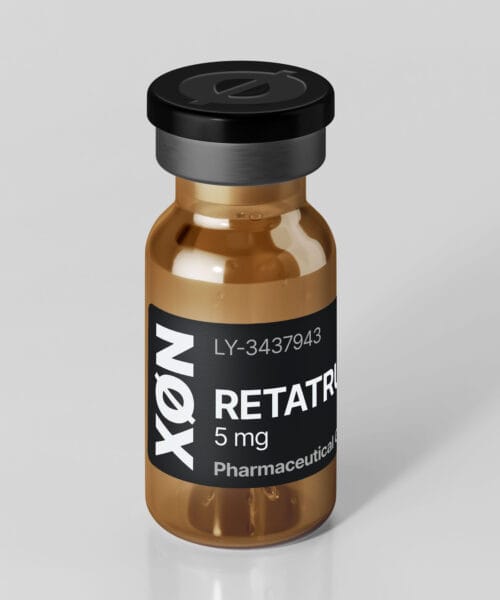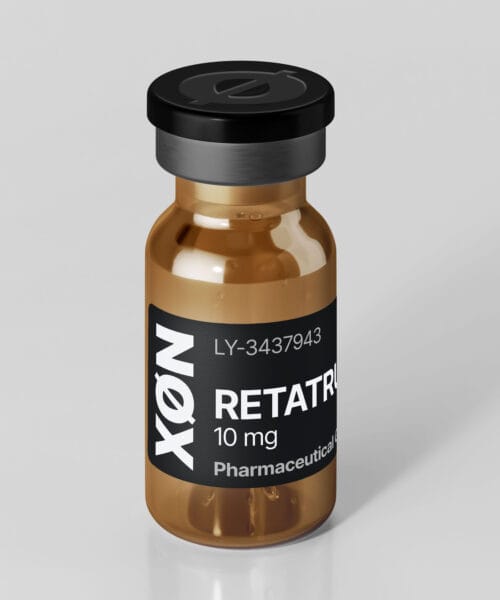
Thymulin

Overview

What is Thymulin?

Thymulin (also known as Serum Thymic Factor or FTS – Facteur Thymique Sérique) is a 9-amino acid metallopeptide hormone produced exclusively by thymic epithelial cells. First characterized by Bach and colleagues in 1977, thymulin is unique in requiring zinc binding (1:1 equimolecular ratio) for biological activity. The zinc-thymulin complex adopts a specific three-dimensional conformation essential for its immunomodulatory functions, including T-cell differentiation, NK cell enhancement, and suppressor T-cell regulation. Beyond immune functions, thymulin demonstrates potent anti-inflammatory and analgesic properties through inhibition of NF-κB, p38 MAPK, and pro-inflammatory cytokines. Serum thymulin levels decline progressively with age (peaking in pre-adolescence), contributing to immunosenescence. Research shows promise in lung diseases, neuropathic pain, and age-related immune dysfunction, though human clinical trials remain limited.

Key Benefits

Immune modulation, T-cell differentiation, anti-inflammatory effects, potential analgesic properties

Mechanism of Action

Zinc-dependent metallopeptide that binds to high-affinity T-cell receptors. Induces T-cell differentiation, enhances suppressor T-cell function, and modulates NK cell activity. Anti-inflammatory action via NF-κB inhibition, p38 MAPK suppression, and reduction of pro-inflammatory cytokines (TNF-α, IL-1β, IL-6). May also act through α7-nicotinic acetylcholine receptor potentiation for analgesic effects.

Pharmacokinetics

Peak: 15 min Half-life: 10 min Cleared: ~51 min

Research Indications

T-Cell Differentiation

Induces T-cell surface markers and functions in immature lymphoid cells, essential for adaptive immunity

Suppressor T-Cell Enhancement

Notably enhances suppressor T-cell function, helping regulate immune responses

NK Cell Activation

Enhances natural killer cell activity for improved innate immune surveillance

Cytokine Modulation

Inhibits TNF-α, IL-1β, IL-6, IL-17, and IFN-γ while potentially enhancing anti-inflammatory cytokines

NF-κB Pathway Inhibition

Blocks NF-κB activation, a key driver of inflammatory gene expression

Lung Disease Research

Consistent beneficial effects in experimental lung disease models with potential for gene therapy applications

Thymic Function Support

May help address age-related thymulin decline that contributes to immunosenescence

Inflammaging Reduction

Anti-inflammatory properties may help counteract chronic low-grade inflammation associated with aging

Analgesic Effects

PAT analog showed comparable efficacy to morphine in neuropathic pain models without addiction potential

Neuroinflammation

Reduces spinal microglial activation and inflammatory mediators in central nervous system

Research Protocols

Disclaimer

Thymulin is a research peptide with limited human data. It requires zinc for biological activity - the apo-peptide (without zinc) is biologically inactive. Ensure adequate zinc intake or supplementation. Dosing protocols derived from animal studies and anecdotal human use. Clinical research shows promise for immune modulation, anti-inflammatory effects, and pain management, but FDA-approved human trials are lacking. This is educational research information, not medical advice, and not a substitute for guidance from a qualified healthcare provider.

Goal Dose Frequency Route
Animal Research Protocol (Inflammation) 15 μg/100g body weight Single dose or short course IP or SubQ
PAT Analog (Pain Research) 25-50 μg per rat (~100-200 μg/kg) 30 min before inflammatory challenge IP
Anecdotal Human Protocol 1-5 mg per injection Once daily for 5-10 days SubQ

Timing

Very short half-life (~10 min). Natural thymulin follows circadian rhythm correlating with ACTH. Optimal timing unclear for exogenous administration.

Peptide Interactions

Thymulin requires zinc for biological activity (1:1 equimolar binding). Zinc deficiency decreases thymulin activity; supplementation restores it. Co-administration essential for optimal effect.
Both are thymic peptides but act through different mechanisms. Thymosin Alpha-1 works via TLR signaling while thymulin requires zinc binding. May be complementary for immune support.
Different functions -TB-4 focuses on tissue repair while thymulin modulates immune function. No known negative interactions.
Complementary anti-aging mechanisms. Epitalon targets telomerase/pineal function while thymulin addresses thymic/immune aging. Often used together in longevity protocols.
Both have anti-inflammatory effects but different mechanisms. High-dose corticosteroids may suppress thymic function. Thymulin may offer steroid-sparing potential in lung diseases.
PAT (thymulin analog) showed comparable efficacy to indomethacin in animal studies. Different mechanisms -may be additive for pain/inflammation.
Both have anti-inflammatory properties through different pathways. No interaction studies available. Theoretically compatible.
Both involved in aging-related pathways. Different mechanisms. No interaction data available.

How to Reconstitute

Important

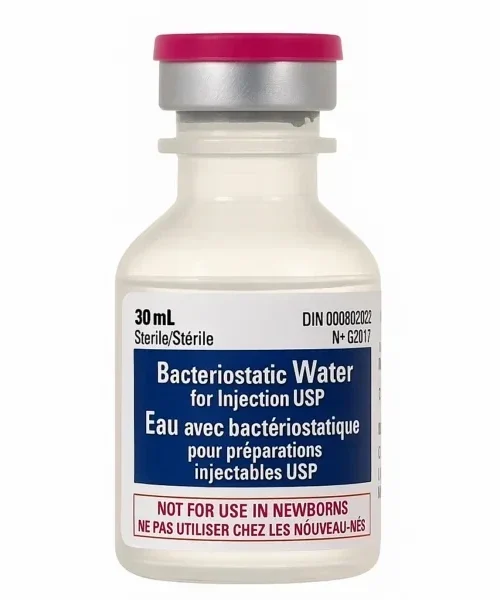
Zinc-dependent metallopeptide. Use BAC water or sterile water. CRITICAL: Thymulin requires zinc for biological activity - ensure adequate zinc intake or supplementation. Store lyophilized at -20°C, reconstituted at 2-8°C. Use within 7-10 days.

  • 1
    Store lyophilized powder at -20°C until use
  • 2
    Allow vial to reach room temperature
  • 3
    Add sterile water slowly down vial side
  • 4
    Gently swirl until dissolved -do not shake
  • 5
    Solution should be clear; discard if cloudy
  • 6
    Use reconstituted solution within 7-10 days
  • 7
    Store reconstituted at 2-8°C
  • 8
    Ensure adequate zinc intake for biological activity

Quality Indicators

  • !

    Zinc dependency critical

    Thymulin requires zinc for biological activity. Ensure adequate zinc status or supplementation.

  • !

    Very short half-life

    Serum half-life only ~10 minutes. Cellular/tissue effects may persist longer.

  • !

    Limited human data

    Most research is preclinical. Human dosing extrapolated from animal studies.

  • Excellent safety profile in studies

    No toxicity observed even at high doses in animal models. No immunosuppressive effects.

  • Third-party testing recommended

    Verify peptide identity and purity. Ensure zinc-bound form if available.

What to Expect

  • Day 1-3: No immediate effects expected given mechanism

  • Week 1-2: Potential immune parameter improvements (requires testing)

  • For pain/inflammation: Effects may be noticeable within days in animal models

  • Immune reconstitution may require multiple cycles over months

  • Best results likely with adequate zinc status

Side Effects & Safety

  • CRITICAL: Requires zinc for biological activity -supplement if needed
  • Very short serum half-life (~10 minutes)
  • No toxicity observed even at high doses in preclinical studies
  • Did not affect normal physiological parameters in animal studies
  • No immunosuppressive effects unlike corticosteroids
  • Limited human safety data -preclinical research only
  • Circadian variation in natural thymulin -timing may matter
  • Not FDA approved for any indication
  • Signs of allergic reaction or hypersensitivity
  • Unusual immune symptoms (frequent infections, autoimmune signs)
  • Injection site reactions beyond mild irritation
  • Any unexpected systemic symptoms

References

Potent Analgesic and Anti-inflammatory Actions of PAT in the Rat (2002)

Rat | PAT analog | 1-200 μg IP | Endotoxin inflammation model

Thymulin analog PAT (25-50 μg) abolished increased TNF-α and significantly reduced IL-1β, IL-6, and NGF levels. Demonstrated comparable or stronger analgesic effects than indomethacin and dexamethasone without affecting normal physiological parameters.

View Study →

Thymulin Treatment Attenuates Inflammatory Pain via Spinal Mechanisms (2019)

Rat | Thymulin IP | 21 days | CFA-induced inflammation

Thymulin notably reduced thermal hyperalgesia and paw edema. Molecular analysis showed reduced microglial activation, p38 MAPK phosphorylation, and spinal pro-inflammatory cytokines (TNF-α, IL-6). Long-term treatment effective for neuroinflammation.

View Study →

Immunomodulatory Role of Thymulin in Lung Diseases (2010)

Review | Multiple models | Lung disease applications

Comprehensive review showing thymulin has consistent beneficial effects in experimental lung disease models. Broad inhibitory effect on pro-inflammatory cytokines, suppresses p38 (implicated in glucocorticoid resistance), and inhibits NF-κB. No toxicity even at high doses -good candidate for gene therapy.

View Study →

Interactions Between Zinc and Thymulin (1994)

Review | Zinc biology | CNRS Paris

Established that thymulin requires equimolar zinc for activity. Serum thymulin activity serves as sensitive indicator of zinc deficiency. Zinc supplementation restores thymulin activity both in vivo and in vitro. Thymic epithelial cells secrete thymulin in active zinc-bound form.

View Study →

PAT Inhibits Neuropathic Pain via α7-nAChR Potentiation (2013)

Rat | PAT analog | Electrophysiology | Neuropathy models

Demonstrated that thymulin analog PAT mediates anti-inflammatory action partly through potentiating α7-nicotinic acetylcholine receptors. Equal or stronger inhibitory effects on neuropathic manifestations compared to morphine or meloxicam.

View Study →