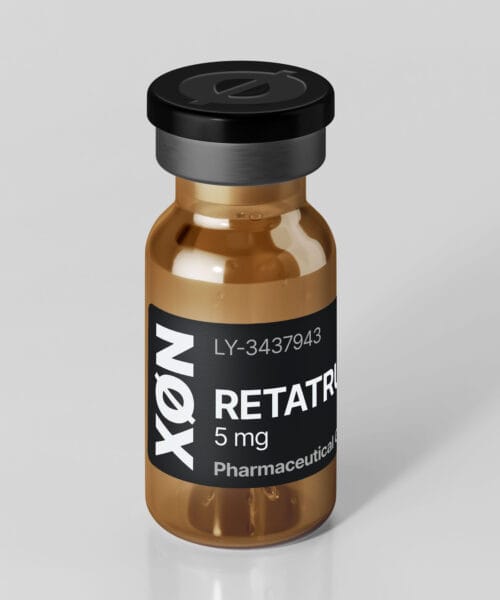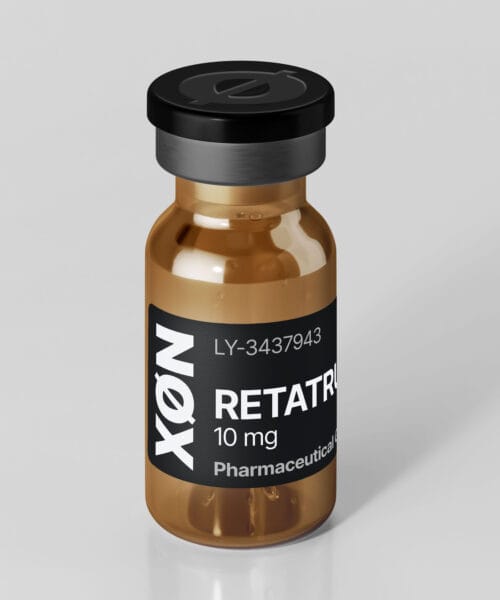
Tirzepatide

Overview

What is Tirzepatide?

Tirzepatide is a revolutionary dual glucose-dependent insulinotropic polypeptide (GIP) and glucagon-like peptide-1 (GLP-1) receptor agonist. FDA-approved for both type 2 diabetes management and chronic weight management, it has demonstrated unprecedented efficacy for weight loss and metabolic health optimization. Tirzepatide works by mimicking incretin hormones that regulate blood sugar, slow gastric emptying, and reduce appetite, offering superior results compared to single-mechanism GLP-1 agonists.

Key Benefits

Dramatic weight loss (15-22% body weight), superior diabetes control, reduced cardiovascular risk, improved insulin sensitivity, appetite suppression, preserved muscle mass

Mechanism of Action

Dual agonist of GIP and GLP-1 receptors, glucose-dependent insulin stimulation, gastric emptying delay, glucagon suppression, central satiety signaling through hypothalamic pathways

Pharmacokinetics

Peak: 1 day Half-life: 5 days Cleared: ~25 days

Research Indications

Severe Obesity Management

Clinical trials demonstrate 15-22% body weight reduction in non-diabetic obese individuals – superior to all existing weight loss medications including semaglutide

Metabolic Syndrome Reversal

Comprehensive improvement in waist circumference, blood pressure, triglycerides, HDL cholesterol, and insulin resistance markers

Body Composition Optimization

Preferentially reduces visceral adipose tissue while preserving lean muscle mass when combined with resistance training and adequate protein

Type 2 Diabetes Management

FDA-approved for T2DM with superior HbA1c reduction (1.5-2.4%) compared to existing GLP-1 agonists and insulin regimens

Insulin Resistance Improvement

Significantly improves insulin sensitivity indices and glucose tolerance in prediabetic, diabetic, and metabolically healthy obese populations

Beta Cell Preservation

Protects pancreatic beta cell function and may help restore glucose-responsive insulin secretion in early diabetes

Cardiovascular Risk Reduction

SURPASS-CVOT trial showed 26% reduction in major adverse cardiovascular events in high-risk diabetic patients

Blood Pressure Management

Significant reductions in both systolic (8-12 mmHg) and diastolic blood pressure independent of weight loss effects

Lipid Profile Enhancement

Improves triglycerides (-20-30%), increases HDL cholesterol, reduces small dense LDL particles and apolipoprotein B

Research Protocols

Disclaimer

These are commonly discussed research protocols shared for educational reference. This is not medical advice and is not a substitute for guidance from a qualified healthcare provider.

Goal Dose Frequency Route
Weight loss initiation 2.5mg weekly Once weekly SubQ
Weight loss progression 5mg weekly Once weekly SubQ
Weight loss optimization 7.5-10mg weekly Once weekly SubQ
Maximum weight loss 12.5-15mg weekly Once weekly SubQ
Diabetes management (mild) 5-7.5mg weekly Once weekly SubQ
Diabetes management (severe) 10-15mg weekly Once weekly SubQ

Timing

Tirzepatide can be injected at any time of day, with or without food. Choose a consistent day of the week for weekly injections to maintain steady levels.

Peptide Interactions

Both are GLP-1 agonists - combining increases hypoglycemia and severe GI side effect risk
Another GLP-1 agonist - dual therapy contraindicated due to additive effects
May require significant insulin dose reduction due to improved sensitivity and glucose control
Complementary mechanisms for diabetes management and weight loss with enhanced efficacy
Growth hormone support may help preserve muscle mass during rapid weight loss
May help maintain metabolic rate and muscle preservation during caloric restriction
No known interactions, may support gut health and reduce GI side effects
NNMT inhibition may complement GLP-1 effects for enhanced metabolic optimization

How to Reconstitute

Important

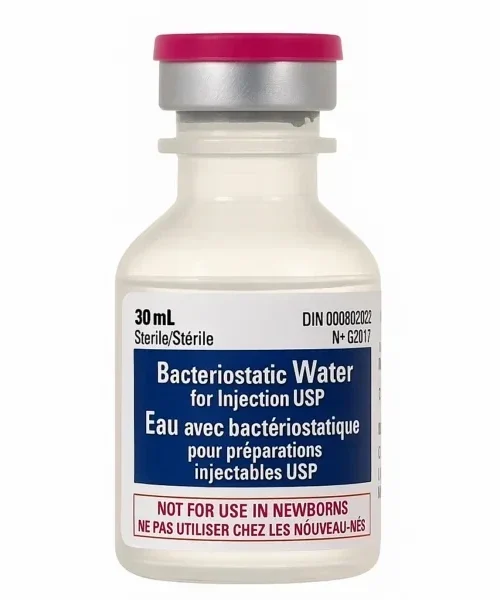
Always use bacteriostatic water (BAC). Sterile technique is essential.

  • 1
    Remove tirzepatide vial from refrigerator and allow to reach room temperature for 15-20 minutes to prevent condensation
  • 2
    Clean vial tops with alcohol wipes using circular motion from center outward, allow to air dry completely
  • 3
    Calculate appropriate reconstitution volume based on desired concentration using the calculator below
  • 4
    Draw calculated amount of bacteriostatic water into insulin syringe, ensuring no air bubbles
  • 5
    Insert needle into tirzepatide vial at 45-degree angle against the glass wall, NOT directly into powder
  • 6
    Slowly inject BAC water down the side of the vial - inject drop by drop to avoid foaming or protein degradation
  • 7
    Remove needle and gently swirl vial in circular motion - NEVER shake vigorously as this destroys the protein
  • 8
    Allow solution to sit for 2-3 minutes if any cloudiness persists, then swirl gently again until completely clear
  • 9
    Final solution should be completely clear and colorless - any persistent cloudiness indicates degradation
  • 10
    Label vial with reconstitution date and concentration, store in refrigerator at 2-8°C immediately
  • 11
    Use within 28 days of reconstitution, always use fresh needle for each injection, inspect for particles before use

Quality Indicators

  • White to off-white lyophilized powder

    Properly freeze-dried tirzepatide appears as light, fluffy powder cake without clumping

  • Clear reconstituted solution

    Should be completely clear and colorless after proper reconstitution - no particles or cloudiness

  • Intact vial seal and proper labeling

    Rubber stopper should be intact, clear mg dosage labeling, batch numbers, and expiration dates visible

  • Proper storage maintenance

    Stored at correct temperature (2-8°C), protected from light, never frozen or overheated

  • X

    Clumping, discoloration, or moisture

    Powder should not be clumped, yellow/brown colored, or show signs of moisture damage or melting

  • X

    Persistent cloudiness after reconstitution

    Cloudiness that doesn't clear after proper mixing indicates protein aggregation or contamination

  • !

    Unusual crystallization patterns

    Large crystals or unusual formations may indicate storage temperature fluctuations or degradation

What to Expect

  • Appetite reduction within 1-3 days of first injection

  • Mild to moderate nausea for first 2-4 weeks (typically improves significantly)

  • 1-3 lbs weight loss per week during active weight loss phase

  • Improved blood sugar control within 1-2 weeks for diabetics

  • Dramatically reduced food cravings and smaller portion satisfaction

  • Better satiety and meal satisfaction lasting 6-7 days per injection

  • Possible fatigue during initial adaptation weeks

  • Peak weight loss effects typically seen at 16-24 weeks

  • Improved energy levels after initial adaptation period

Side Effects & Safety

  • Start with lowest dose (2.5mg) and escalate gradually every 4 weeks to minimize side effects
  • Contraindicated with personal/family history of medullary thyroid carcinoma or Multiple Endocrine Neoplasia syndrome type 2
  • Monitor for signs of acute pancreatitis (severe, persistent abdominal pain radiating to the back)
  • Significant nausea is common initially but typically improves - stay hydrated and eat smaller meals
  • Requires prescription and medical supervision - not available over-the-counter
  • Store in refrigerator between 2-8°C, never freeze or shake vigorously
  • May require adjustment of other diabetes medications to prevent hypoglycemia
  • Severe or persistent abdominal pain (potential pancreatitis)
  • Neck lumps, hoarseness, or difficulty swallowing (thyroid concerns)
  • Severe nausea/vomiting preventing adequate nutrition or hydration
  • Signs of severe hypoglycemia if diabetic (confusion, sweating, rapid heartbeat)
  • Kidney problems (decreased urination, swelling, persistent fatigue)
  • Severe allergic reactions (rash, difficulty breathing, facial swelling)
  • Suicidal thoughts, severe depression, or unusual mood changes
  • Gallbladder problems (severe upper right abdominal pain)
  • Signs of dehydration from persistent vomiting

References

SURMOUNT-2 T2DM Trial (2023)

938 adults with T2DM and obesity | 72-week duration

15mg dose achieved 15.7% weight loss with significant improvements in all cardiometabolic parameters

SURPASS-CVOT Cardiovascular Outcomes (2023)

12,785 T2DM patients | 3.5-year follow-up | Primary prevention study

26% reduction in major adverse cardiovascular events, establishing cardioprotective benefits

SURMOUNT-1 Phase 3 Trial (2022)

2,539 adults with obesity | 72-week study | Multiple dose levels

15mg weekly dose achieved 22.5% weight loss vs 2.4% placebo - largest weight loss seen in pharmaceutical trials

SURPASS Clinical Program (2021-2022)

Multiple Phase 3 trials | >13,000 T2DM patients | Head-to-head comparisons

Superior HbA1c reduction and weight loss compared to insulin, semaglutide, and all existing diabetes medications