Overview

What is VIP?

Vasoactive Intestinal Peptide (VIP) is a 28-amino acid neuropeptide with potent anti-inflammatory, immunomodulatory, and neuroprotective properties. Acting through VPAC1 and VPAC2 receptors, VIP regulates immune function, vascular tone, circadian rhythms, and neurological health. It has been extensively studied for chronic inflammatory response syndrome (CIRS), pulmonary conditions, autoimmune diseases, and most recently COVID-19 respiratory failure. The injectable form (Aviptadil/Zyesami) received FDA Fast Track designation for COVID-19 ARDS.

Key Benefits

Systemic anti-inflammatory and immunomodulatory effects, precise dosing control, rapid onset of action, established safety in clinical trials. Used for systemic inflammation, autoimmune conditions, and when nasal route is insufficient.

Mechanism of Action

SubQ/IM VIP provides systemic exposure activating VPAC1/VPAC2 receptors throughout the body. Triggers cAMP/PKA signaling cascade, suppresses pro-inflammatory cytokines (IL-6, TNF-α, IL-1β), modulates T helper cell differentiation, and provides vasodilatory effects. Short half-life (5-10 min SubQ) may require multiple daily doses.

Pharmacokinetics

Peak: 15 min Half-life: 30 min Cleared: ~2.5 hrs

Research Indications

Systemic Inflammation

VIP significantly reduced IL-6 inflammatory marker in clinical trials. Potent suppressor of pro-inflammatory cytokines through VPAC receptor activation.

Autoimmune Disease

IP injection completely prevented joint destruction in collagen-induced arthritis models. Downregulates both inflammatory and autoimmune disease components.

CIRS (Systemic Approach)

Injectable VIP provides systemic immunomodulation when nasal delivery is insufficient or for patients requiring higher systemic levels.

COVID-19 ARDS

Phase 2b/3 trial showed 2-fold increased 60-day survival odds with IV Aviptadil. Mechanically ventilated patients showed 10-fold survival improvement.

Pulmonary Inflammation

VIP protects alveolar type II cells, reduces pulmonary inflammation, and has bronchodilatory effects in respiratory conditions.

Pulmonary Arterial Hypertension

VIP causes selective pulmonary vasodilation and improved cardiac output. VIP deficiency linked to PAH development.

Vasodilation

VIP is one of the most potent endogenous vasodilators. Useful in conditions requiring improved blood flow.

Vascular Remodeling

VIP administration attenuates pathological vascular remodeling in pulmonary hypertension models.

Tissue Perfusion

Vasodilatory effects improve tissue perfusion and may complement healing in various conditions.

Research Protocols

Disclaimer

These are commonly discussed research protocols shared for educational reference. This is not medical advice and is not a substitute for guidance from a qualified healthcare provider.

Goal Dose Frequency Route
Starting / Assess tolerance 10-30mcg 1x daily SubQ
Standard protocol 200mcg (0.2mg) 5x weekly (Mon-Fri) SubQ
Weekly total 1mg/week Split across 5 doses SubQ
Cycle protocol 200mcg 3 months on, 1 month off SubQ (repeat annually x3 cycles)

Timing

Administer SubQ at consistent time daily. Earlier in day preferred to align with natural circadian VIP rhythms. Standard protocol is 5x weekly (Mon-Fri) with weekends off. Due to vasodilatory effects, stay hydrated and avoid standing quickly after injection.

Peptide Interactions

Complementary anti-inflammatory mechanisms - VIP modulates immune response while BPC-157 promotes tissue healing
Both are immunomodulatory peptides that may complement each other in regulating immune function
Different mechanisms - VIP is anti-inflammatory while LL-37 is antimicrobial. May work together in CIRS protocols
Both have anti-inflammatory properties through different pathways (VIP via VPAC receptors, KPV via melanocortin system)
Both have anxiolytic and immunomodulatory effects through different receptor systems
Both involved in circadian regulation - VIP in suprachiasmatic nucleus, DSIP in sleep induction
Cerebrolysin contains VIP-like peptide fragments. Both are neuroprotective with overlapping mechanisms
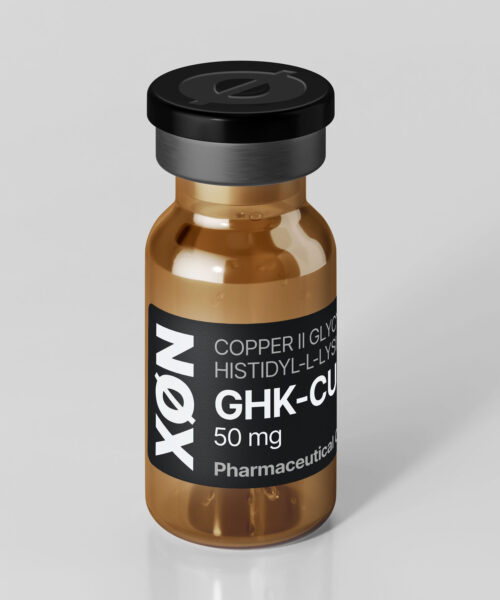
Complementary - VIP for systemic immune regulation, GHK-Cu for tissue remodeling and copper delivery

How to Reconstitute

Important

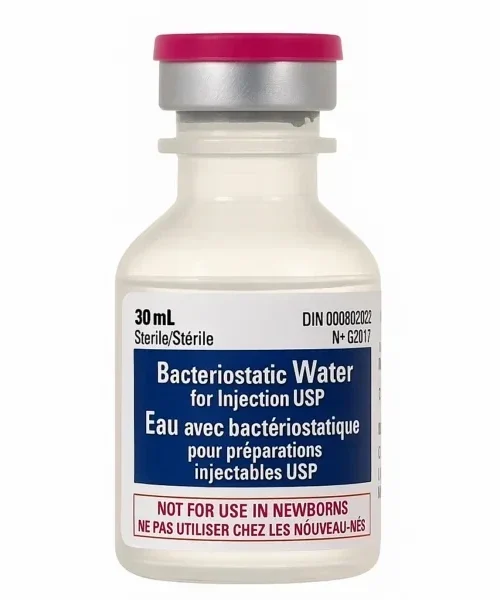
Always use bacteriostatic water (BAC). Sterile technique is essential.

  • 1
    Clean work area and hands thoroughly
  • 2
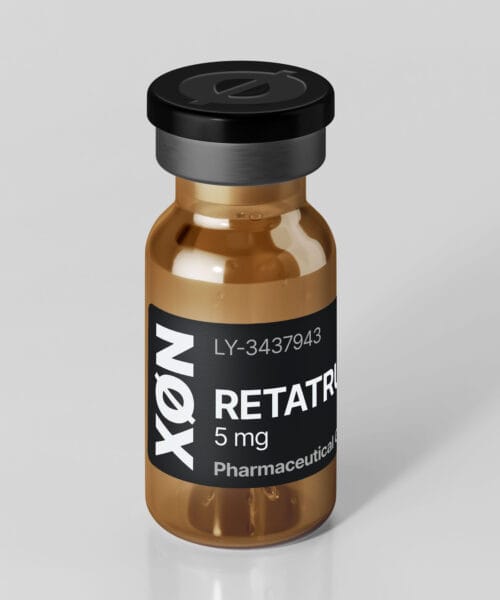
    Add 5mL BAC water to 5mg vial = 1mg/mL (1000mcg/mL)
  • 3
    At 1mg/mL: 0.2mL (20 units) = 200mcg standard dose
  • 4
    Inject slowly down vial side (not directly onto powder)
  • 5
    Gently swirl until dissolved (never shake)
  • 6
    5mg vial at 200mcg/dose = approximately 25 doses
  • 7
    Store reconstituted in refrigerator at 2-8°C

Quality Indicators

  • White, Fluffy Powder

    Lyophilized VIP should appear as white, fluffy powder. This indicates proper freeze-drying and handling.

  • Clear Solution After Reconstitution

    When properly mixed with BAC water, solution should be clear and colorless with no particles.

  • Reputable Source with COA

    Source from verified peptide suppliers with Certificate of Analysis showing purity >98%.

  • !

    Temperature During Shipping

    VIP is temperature-sensitive. Ensure cold chain was maintained or shipped with cold packs.

  • X

    Discoloration or Particles

    Any yellow/brown coloration or visible particles after reconstitution indicates degradation.

  • X

    Unknown or Unverified Source

    Never use injectable peptides from unverified sources without third-party testing.

What to Expect

  • Days 1-7: May experience mild vasodilatory effects (warmth, flushing, slight BP drop)

  • Week 2-4: Initial anti-inflammatory signaling activation

  • Month 1-2: Progressive reduction in inflammatory markers

  • Month 2-3: Maximum immune modulatory benefits

  • Side effects: Flushing, headache, nausea, loose stools common initially

  • 3 months on, 1 month off cycle recommended for sustained benefits

Side Effects & Safety

  • Start with low dose (10-30mcg) to assess tolerance before standard 200mcg
  • Monitor blood pressure, especially during first week
  • Most common side effects: flushing, headaches, nausea, loose stools
  • No serious drug-related adverse events in COVID-19 clinical trials
  • Use caution if on blood pressure medications
  • Stay well hydrated during use
  • Rotate injection sites to minimize local reactions
  • Not recommended during pregnancy or breastfeeding
  • Significant drop in blood pressure, dizziness, or fainting
  • Severe or persistent diarrhea
  • Abdominal pain (may indicate pancreatic effects)
  • Allergic reaction (rash, swelling, difficulty breathing)
  • Severe headache
  • Any concerning symptoms - consult healthcare provider

References

IV Aviptadil in Critical COVID-19 Respiratory Failure - Phase 2b/3 RCT (2022)

Humans | 196 patients | IV infusion | 60 days | 2-fold increased survival odds

Multicenter randomized controlled trial across 10 U.S. hospitals. Aviptadil showed 2-fold increased odds of 60-day survival (OR 2.0, p=0.035). Mechanically ventilated patients showed 10-fold increased survival odds. Significant reduction in IL-6 inflammatory marker.

View Study →

VIP Corrects Chronic Inflammatory Response Syndrome (CIRS) (2013)

Humans | CIRS patients | Nasal spray 50mcg | Multiple months | Correction of inflammatory markers

Study demonstrating VIP nasal spray corrects CIRS acquired from water-damaged buildings. Showed correction of proteomics, transcriptomics, and gray matter nuclear atrophy refractory to other therapies.

View Study →

IUPHAR Review: VIP and PACAP Receptor Pharmacology (2012)

Review | Comprehensive analysis of VPAC1/VPAC2/PAC1 receptors

Definitive pharmacological review of VIP receptors. Details mechanism of action through Gαs/cAMP/PKA pathway, physiological functions in CNS and periphery, and therapeutic potential for neurodegenerative, inflammatory, and autoimmune diseases.

View Study →

VIP Prevents Experimental Arthritis - Nature Medicine (2001)

Mice | CIA model | IP injection | 2 weeks | Complete prevention of joint destruction

Landmark study showing VIP completely prevented joint swelling, cartilage destruction, and bone erosion in collagen-induced arthritis. Therapeutic effect associated with downregulation of both inflammatory and autoimmune components.

View Study →

Intranasal VIP Pharmacodynamics and Toxicity (2013)

Animal model | 40-200mcg/mL | 1 week | Safe brain delivery confirmed

Demonstrated VIP can be successfully delivered to the brain via intranasal route. Higher dose (200mcg) improved spatial memory deficits in Alzheimer's model. Only minor reversible nasal irritation observed.

View Study →

Inhaled VIP in Pulmonary Hypertension (2008)

Humans | 20 PH patients | 100mcg inhaled | Acute study | Selective pulmonary vasodilation

Single 100mcg inhaled aviptadil caused significant selective pulmonary vasodilation, improved stroke volume and mixed venous oxygen saturation. 6 patients showed >20% pulmonary vascular resistance reduction.

View Study →