

A peptide dosage chart looks reassuringly precise, until you notice that half the products online are labeled “research use only,” concentrations vary by seller, and a tiny unit-conversion error can multiply an intended amount tenfold. That’s not a fun beginner mistake: it’s a reason to slow down.
This review is a risk-aware reference, not a personalized prescription. It distinguishes FDA-approved peptide medicines with standardized labeling from compounded products, investigational candidates, and unapproved substances such as BPC-157 or TB-500. For prescription drugs, the chart summarizes publicly available US labeling: your prescriber’s instructions and pharmacy label always take priority. For unapproved peptides, it deliberately does not invent a “safe” human dose where regulators haven’t established one.
You’ll learn how to read units, recognize questionable charts, check concentration math, and ask better questions before using anything injectable. You’ll also see why body weight alone rarely determines dosing, and why “everyone in my gym uses it” isn’t clinical evidence, but confidently Brad says it.
No manufacturer, clinic, compounding pharmacy, or peptide seller sponsored this review. Regulatory status and labels can change, so verify current information through the FDA Drugs@FDA database and your licensed clinician or pharmacist.
Key Takeaways
- A peptide dosage chart must be used as a discussion tool with healthcare professionals—not as authorization for self-injection or unsupervised dosing.
- FDA-approved peptides have standardized dosing and labeling, while unapproved peptides lack established safe doses and pose risks due to inconsistent purity and concentrations.
- Accurate unit conversions and understanding syringe measurements are critical to avoid dangerous dosing errors, particularly between micrograms and milligrams.
- Body weight alone rarely determines peptide dosage; individual factors and approved prescribing information should guide dose adjustments and treatment plans.
- Combining multiple peptides without medical supervision can cause overlapping side effects and complicate adverse reaction attribution; blending products requires verified compatibility and labeling.
- Keep detailed records of doses, timing, injection sites, and any symptoms to support safety and effective monitoring of peptide therapy.
How to Use This Peptide Dosage Chart (Read First)
Use the chart as a screening and discussion tool, not as authorization to self-inject. Start with the status column: FDA-approved for a specific indication, compounded under limited circumstances, investigational, or unapproved. Those categories aren’t interchangeable.
Then confirm four items against the dispensing label:
- The exact active ingredient and formulation
- Concentration after preparation
- Prescribed amount and frequency
- Route, storage, and beyond-use date
Online charts often blend trial protocols, animal research, clinic practices, and anecdotes into one tidy table. That presentation can hide major evidence gaps. If a vial lacks a licensed pharmacy label, lot information, concentration, and clear ingredients, don’t use arithmetic to make an uncertain product feel legitimate.
Units & abbreviations: mcg vs mg, IU, mL, BAC water, SC/IM, frequency codes
- mcg or μg: microgram: 1,000 mcg equals 1 mg.
- mg: milligram. Confusing mg with mcg creates a 1,000-fold error.
- mL: liquid volume, not drug amount.
- IU: international units based on biological activity. IU aren’t universally convertible to milligrams.
- BAC water: bacteriostatic water containing preservative. It isn’t automatically appropriate for every medicine.
- SC/SubQ: subcutaneous administration into fatty tissue.
- IM: intramuscular administration. Never substitute IM for SC without instructions.
- QD: daily: BID: twice daily: QW: weekly: PRN: as needed.
Frequency abbreviations are error-prone. The Institute for Safe Medication Practices recommends avoiding several ambiguous forms. Ask for plain-language directions whenever possible.
Beginner vs. advanced ranges, titration approach, and when to stop/adjust
“Beginner” and “advanced” ranges are marketing language, not recognized medical categories. A safer distinction is label-directed initiation versus clinician-directed adjustment. Approved medicines usually begin at a defined starting dose, followed by scheduled escalation only if tolerated and clinically appropriate.
Don’t accelerate titration because the first week feels uneventful. Many adverse effects emerge after exposure accumulates or a dose increases. Contact your clinician before the next dose if you develop persistent vomiting, dehydration, severe abdominal pain, allergic symptoms, marked swelling, unusual numbness, fainting, or concerning glucose changes.
Seek emergency care for trouble breathing, facial or throat swelling, severe weakness, confusion, or intense abdominal pain. Pregnancy, cancer history, endocrine disease, diabetes medications, and planned surgery also warrant individualized review, not an “advanced protocol” copied from a forum.
Complete Peptide Dosage Chart (Printable Quick Reference)
This printable peptide dosage chart prioritizes regulatory status and verifiable prescribing information. “Not established” means there is no FDA-approved dose for general self-directed use, not that a social-media protocol should fill the gap.
| Compound | US status or context | Evidence-based dosing takeaway |
| BPC-157, TB-500, KPV, LL-37 | Not FDA-approved for routine therapeutic use | No standardized human dose, cycle, or purity guarantee |
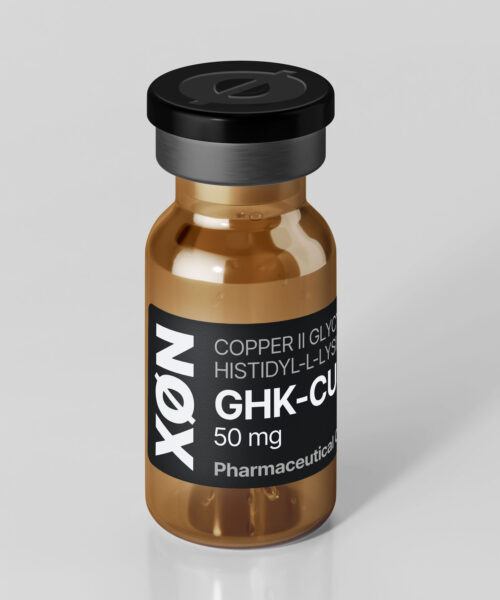
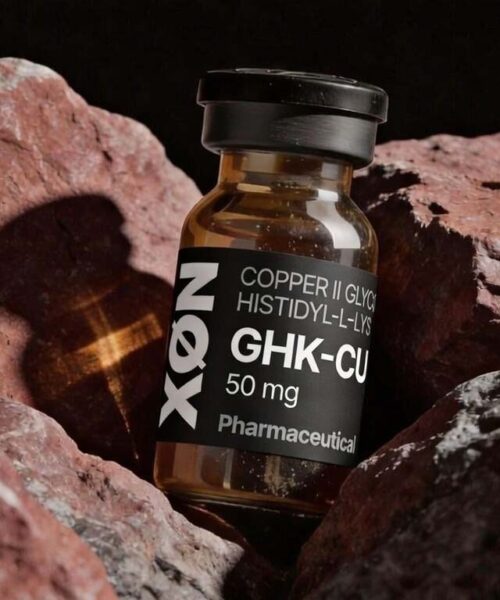
| Injectable GHK-Cu | No FDA-approved systemic anti-aging indication | Cosmetic and research claims don’t establish an injection regimen |
| CJC-1295, ipamorelin | Unapproved | No FDA-established dose or approved muscle-gain cycle |
| Sermorelin | Historical approval discontinued: compounded use varies | Follow a patient-specific prescription only |
| Tesamorelin | FDA-approved for a narrow HIV-related indication | Use current EGRIFTA SV labeling and specialist supervision |
| AOD-9604, 5-Amino-1MQ | Unapproved | Human dosing and long-term safety remain unestablished |
| Tirzepatide | FDA-approved products for specified indications | Label uses gradual once-weekly escalation |
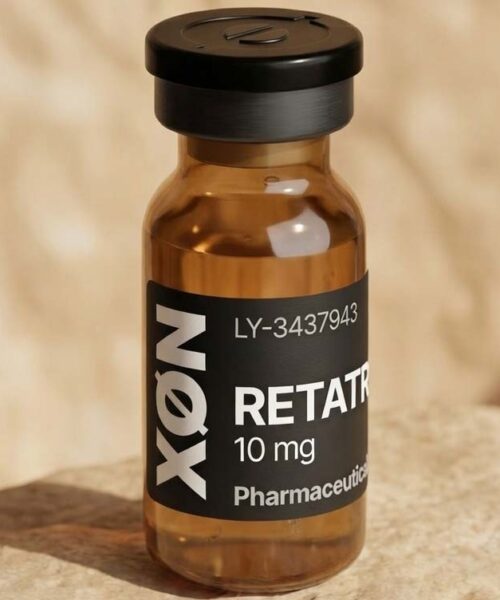
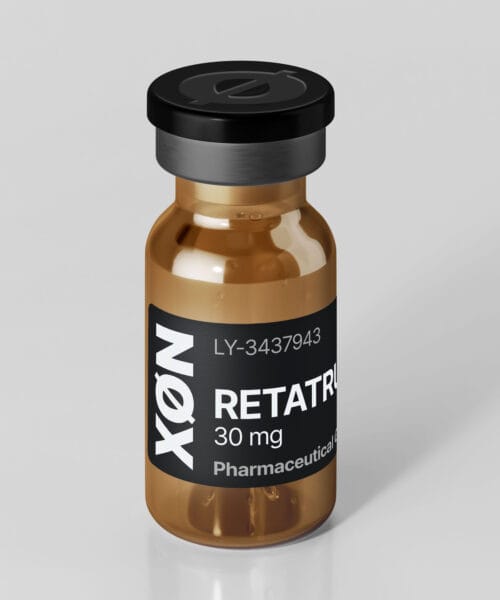
| Retatrutide | Investigational as of publication | Trial doses aren’t public-use recommendations |
| Selank, Semax | Not FDA-approved in the US | No standardized US dose or product-quality assurance |
Healing & recovery: BPC-157, TB-500, KPV, GHK-Cu, LL-37 (typical ranges, frequency, duration)
There are no FDA-approved “typical ranges” for injecting BPC-157, TB-500, KPV, GHK-Cu, or LL-37 to heal injuries. Human evidence is limited or absent, while online products may have uncertain sterility, identity, or concentration. TB-500 is also commonly associated with thymosin-beta-4 fragments, making labels especially important.
For tendon or muscle injuries, a sports-medicine assessment is less exciting than a miracle vial, but considerably more useful. Diagnosis changes treatment: tendinopathy, partial tear, nerve irritation, and stress fracture don’t share one protocol.
Athletes should also check the current World Anti-Doping Agency Prohibited List. Several non-approved substances fall under prohibited categories even when a seller calls them “recovery aids.”
GH/secretagogues: CJC-1295 (No DAC), Ipamorelin, Sermorelin, Tesamorelin (timing, cycling, duration)
CJC-1295 without DAC, ipamorelin, and nonstandard sermorelin preparations don’t have FDA-approved bodybuilding or anti-aging regimens. “Bedtime,” “fasted,” and cycle-length claims generally come from clinic conventions or online communities, not standardized labeling.
Tesamorelin is different: EGRIFTA SV is approved to reduce excess abdominal fat in adults with HIV and lipodystrophy, not for general weight loss. The current EGRIFTA SV prescribing information directs 1.4 mg subcutaneously once daily after reconstituting the specified 2 mg vial with its supplied diluent. Monitoring matters because tesamorelin can affect glucose tolerance and IGF-1 and may cause fluid retention or injection-site reactions.
Don’t substitute a compounded concentration or older formulation using the same syringe calculation. Similar names do not guarantee equivalent preparation.
Metabolic/weight loss: AOD-9604, 5-Amino-1MQ, Tirzepatide/Retatrutide (escalation notes, frequency)
AOD-9604 and 5-Amino-1MQ aren’t FDA-approved weight-loss medications, so there’s no validated consumer escalation schedule. Retatrutide remains investigational: doses studied in trials belong within those protocols and shouldn’t be treated as prescribing guidance.
FDA-approved tirzepatide products use once-weekly dosing. Under current US Zepbound labeling, treatment begins at 2.5 mg once weekly for four weeks, then increases to 5 mg weekly. Further increases may occur in 2.5 mg steps after at least four weeks at the current level, based on response and tolerability: approved maintenance doses depend on indication. Mounjaro labeling should be checked separately.
Review the current Zepbound prescribing information. Severe gastrointestinal symptoms, pancreatitis concerns, gallbladder problems, hypoglycemia risk with certain diabetes drugs, and contraindications require medical screening.
Cognitive/mood: Selank, (optional: Semax if included) (dosing patterns and timing)
Selank and Semax are promoted as intranasal cognitive or mood peptides, but neither has an FDA-approved US dosing pattern. Product strength, spray output, absorption, and quality may differ substantially. A label saying “one spray” is meaningless without the amount delivered per spray, and even an accurate amount doesn’t establish safety or effectiveness.
Mood changes, anxiety, poor concentration, and fatigue can also signal sleep disorders, medication effects, thyroid disease, depression, substance use, or nutritional deficiencies. Masking those clues with an unapproved nasal product can delay useful care.
If cognitive symptoms are sudden, severe, or accompanied by weakness, speech difficulty, confusion, or a major headache, seek urgent evaluation. That’s not the moment to troubleshoot nozzle calibration.
Peptide Dosage Chart by Goal (Fast Picks)
Choosing by goal can clarify the next step, but it shouldn’t turn a symptom into a shopping list. Here’s the quick, evidence-conscious version:
| Goal | Sensible first move | Peptide reality check |
| Tendon or injury healing | Diagnosis, progressive rehabilitation, sleep and protein review | BPC-157/TB-500 dosing isn’t established |
| Muscle gain | Resistance programming and nutrition: assess hormones only when indicated | GH secretagogues aren’t approved shortcuts |
| Fat loss | Lifestyle support plus an approved medicine when eligible | Tirzepatide has labeling: retatrutide remains investigational |
| Anti-aging | Manage blood pressure, lipids, smoking, exercise and sleep | Injectable “longevity” protocols lack outcome evidence |
| Cognition | Evaluate sleep, mood, medications and neurologic red flags | Selank/Semax aren’t FDA-approved in the US |
Injury/tendon healing, muscle gain, fat loss, anti-aging/longevity, performance/cognition
Your goal doesn’t determine your dose: diagnosis, approved indication, formulation, medical history, and response do. Consider a familiar scenario: a recreational runner assumes Achilles pain needs BPC-157, but an exam reveals training-load tendinopathy. A structured loading plan and footwear adjustment address the cause: a mystery vial wouldn’t.
For fat loss, eligibility and risks matter more than internet popularity. For muscle gain or performance, investigate training volume, recovery, calorie intake, iron status, and sleep before blaming “low peptides.” Anti-aging deserves similar skepticism: changing a biomarker such as IGF-1 isn’t the same as extending healthy life.
Pick one measurable outcome, pain during stairs, waist circumference, or weekly training performance, and discuss it with an appropriate clinician. Clear targets make ineffective or harmful treatment easier to recognize.
Reconstitution & Syringe Units: Convert Any Dose Accurately
Reconstitution errors are among the most dangerous problems in informal peptide use. A syringe measures volume: it doesn’t know how many milligrams are inside. Concentration must come from an authenticated product label and exact preparation instructions.
Don’t reconstitute an unapproved or unlabeled powder merely because the arithmetic works. You can calculate a concentration perfectly and still inject the wrong substance, a contaminated product, or a degraded compound. For prescription products, use only the supplied or pharmacist-specified diluent, container, storage conditions, and technique.
If instructions conflict, or the solution is cloudy, discolored, leaking, or contains unexpected particles, stop and call the dispensing pharmacy. Don’t “average out” two different online calculators.
Step-by-step concentration math (mg in vial ÷ mL added) + worked examples
The basic equations are:
Concentration (mg/mL) = total drug (mg) ÷ final volume (mL)
Volume required (mL) = prescribed dose (mg) ÷ concentration (mg/mL)
Hypothetical pharmacy-training example: a labeled vial contains 5 mg, and its official instructions produce a final volume of 2 mL.
- Concentration: 5 mg ÷ 2 mL = 2.5 mg/mL
- If a prescription calls for 0.5 mg: 0.5 ÷ 2.5 = 0.2 mL
Notice the phrase final volume. Adding 2 mL doesn’t always create exactly 2 mL after powder displacement, so follow the manufacturer’s stated concentration rather than improvising. Have a pharmacist verify any calculation involving partial vials, unusual concentrations, pediatric dosing, or unit conversions.
Insulin syringe conversion chart (U-100): mL-to-units table and common dose examples
A U-100 insulin syringe has 100 marked units per 1 mL. These are volume markings, not international units of every drug.
| U-100 marking | Volume |
| 5 units | 0.05 mL |
| 10 units | 0.10 mL |
| 20 units | 0.20 mL |
| 25 units | 0.25 mL |
| 50 units | 0.50 mL |
| 100 units | 1.00 mL |
Using the verified hypothetical concentration above, 0.2 mL aligns with the 20-unit mark on a U-100 syringe. But that does not mean “20 IU” of the medicine.
Never assume every syringe is U-100. Syringe capacity, needle length, dead space, and markings vary. Use the device named on your prescription, and ask the pharmacist to demonstrate the exact line, preferably before you’re squinting at it at 11 p.m.
Timing, Frequency & Duration Guidelines (What Competitors Don’t Standardize)
Competitors don’t standardize timing because many products lack approved protocols, and because timing may depend on formulation, indication, meals, interacting medicines, and adverse effects. A universal “best time” would be convenient, but biology didn’t read the SEO brief.
Build your schedule from the prescription label. Weekly medicines should be anchored to a memorable day: daily products need a consistent routine that respects storage and preparation requirements. If you miss a dose, consult the specific medication guide rather than doubling up.
Keep a simple log containing date, time, amount, injection site, relevant meals, symptoms, and any other medication changes. That small habit provides more useful evidence than trying to reconstruct three blurry weeks from memory.
Best timing by class: fasted vs fed, pre/post-workout, bedtime, and injection spacing
Meal and workout rules aren’t interchangeable across peptides. Tirzepatide is generally administered once weekly with or without food, at any time of day, according to labeling. Tesamorelin is used once daily, but your specialist should set a practical schedule and monitoring plan.
Claims that unapproved GH secretagogues must be fasted, taken at bedtime, or separated from carbohydrates aren’t FDA-standardized instructions. Likewise, “post-workout healing windows” for BPC-157 or TB-500 aren’t established dosing requirements.
When multiple prescribed injections are used, don’t mix them in one syringe unless the manufacturer or pharmacist explicitly confirms compatibility. Rotate injection sites as instructed, avoid irritated or scarred skin, and record where each medicine was administered. Spacing can reduce confusion, but it cannot fix an unsafe interaction.
Typical cycle lengths + maintenance strategies (including when to take breaks)
Approved chronic medicines generally use ongoing treatment with periodic evaluation rather than bodybuilding-style “cycles.” Tirzepatide continuation depends on benefit, tolerability, indication, and shared decision-making. Tesamorelin requires reassessment and relevant laboratory monitoring: benefits may not persist after discontinuation.
For BPC-157, TB-500, CJC-1295, ipamorelin, AOD-9604, 5-Amino-1MQ, Selank, and Semax, evidence doesn’t support a standard cycle or maintenance phase. Taking breaks may reduce exposure, but it doesn’t transform an unapproved regimen into a validated one.
Set review dates before starting any prescribed therapy. Ask: Is the target improving? Are side effects emerging? Are labs appropriate? Is the indication still present? If nobody can define success or a stopping rule, the protocol is running on hope, and hope is terrible at charting adverse events.
Dose Adjustment Factors & Safety Checks
Dose adjustment is more than moving a syringe line. Kidney or liver function, interacting medications, pregnancy potential, endocrine history, glucose control, gastrointestinal disease, surgery plans, and previous reactions may all change the decision.
Before treatment, give your prescriber and pharmacist one complete list of prescriptions, over-the-counter medicines, supplements, and peptide products. Include substances you use occasionally. It’s tempting to omit an online purchase to avoid an awkward conversation, but hidden information produces worse decisions.
Check that you have:
- A clear diagnosis and treatment goal
- An authenticated product from a licensed pharmacy
- Written dose, route, frequency, and missed-dose instructions
- Storage and disposal guidance
- A monitoring and follow-up plan
- Red-flag symptoms that require urgent care
Body weight, age, sex, experience level, side effects, and cost optimization
Some medicines use weight-based dosing: many peptide products do not. Tirzepatide’s labeled adult escalation isn’t calculated simply by body weight. Tesamorelin’s current formulation likewise follows product-specific labeling rather than a homemade pounds-to-micrograms rule.
Age, sex-related physiology, body composition, pregnancy status, frailty, and organ function can influence risk, but “experience level” doesn’t create drug tolerance you can safely bank on. Side effects are information, not proof that a product is “working.”
For cost optimization, compare FDA-approved options, insurance criteria, manufacturer assistance, and licensed pharmacy prices. Don’t stretch sterility dates, share pens or needles, buy oversized research vials, or underdose unpredictably. The cheapest vial can become wildly expensive after urgent care, missed work, or treatment of an infection.
Common dosing mistakes: reconstitution errors, inconsistent timing, stacking conflicts, poor tracking
The repeat offenders are painfully ordinary:
- Reading mg as mcg
- Treating syringe units as drug units
- Using added volume instead of verified final concentration
- Copying instructions from a different formulation
- Doubling a missed dose
- Combining products with overlapping adverse effects
- Reusing needles or contaminated vial stoppers
- Continuing even though severe symptoms
- Tracking results only by mood or mirror checks
One especially risky mistake is transferring a branded-drug schedule to a compounded version without confirming concentration. The number on the syringe may change even when the prescribed milligram amount doesn’t.
Photograph the pharmacy label, keep written records, and verify calculations independently with a pharmacist. If numbers don’t match, pause. Medication math doesn’t reward confidence: it rewards verification.
Stacking & Blends: How to Adjust Doses Without Overlapping
Stacking makes cause and effect murky. If swelling, nausea, tingling, headache, or glucose changes appear after you begin three compounds, which one caused it? Nobody knows, and now stopping or adjusting becomes guesswork.
The lowest-risk rule is straightforward: don’t combine unapproved peptides, and don’t add a new agent until your clinician has assessed the existing regimen. Separate injection times may help identify reactions, but spacing doesn’t prevent systemic overlap. Two substances can affect the same pathway for hours or days even when the syringes are used far apart.
Blends add another problem: you can’t independently adjust one ingredient without changing every other ingredient in the vial. Convenience is lovely: loss of control, less so.
Popular stacks (e.g., BPC-157 + TB-500: CJC-1295 no DAC + Ipamorelin) and timing separation rules
BPC-157 plus TB-500 and CJC-1295 no DAC plus ipamorelin are popular online combinations, not FDA-approved stacks. There are no validated timing-separation rules that make them proven safe or effective. Combining GH-axis agents may increase overlapping concerns such as edema, numbness, joint symptoms, altered glucose handling, or elevated IGF-1.
If a clinician prescribes multiple approved or legally compounded therapies for a legitimate indication, request one written schedule showing each product’s concentration, amount, route, timing, monitoring, and stopping criteria. Add products one at a time only when medically appropriate: otherwise, adverse-effect attribution becomes nearly impossible.
Never combine liquids physically unless compatibility and sterility are confirmed by the manufacturer or dispensing pharmacist. “They both go under the skin” is not a compatibility test.
How to dose multi-peptide vials/blends and coded/unfamiliar product labels
A blend’s label should state the amount of each ingredient, concentration after preparation, final volume, route, storage, beyond-use date, pharmacy details, lot number, and patient-specific directions. If it lists only a total, “10 mg blend,” for example, you cannot determine each component’s dose without the ingredient ratio.
Avoid coded labels, abbreviations the seller won’t define, and vials marked only “research use.” Don’t reverse-engineer an unfamiliar product from color, vial size, or website photos. Contact the licensed dispensing pharmacy and obtain written clarification.
The practical conclusion to this peptide dosage chart is simple: precision starts with an authenticated medicine, an evidence-based indication, and clear professional instructions, not sharper syringe math. Use approved labeling where it exists, treat investigational trial doses as research rather than recommendations, and refuse products whose identity or concentration can’t be verified. Your safest next step is to bring the vial, packaging, medication list, and intended goal to a pharmacist or qualified prescriber before using it.
Peptide Dosage Chart FAQs
What is a peptide dosage chart and how should it be used?
A peptide dosage chart is a reference tool listing dosing information for various peptides, separating FDA-approved medicines from unapproved or investigational ones. It should be used only for screening and discussion, not self-prescribing. Always follow a licensed clinician’s instructions and verify product labels before use.
How do I interpret units like mcg, mg, and IU on peptide labels?
Micrograms (mcg) and milligrams (mg) differ by a factor of 1,000, so confusing them can cause serious dosing errors. International units (IU) measure biological activity rather than weight and aren’t directly convertible to mg. Always confirm units and concentrations from official labeling or your pharmacist.
Why are many peptides labeled ‘research use only’ and not FDA-approved?
Many peptides like BPC-157 or TB-500 are not FDA-approved for routine therapeutic use due to limited human evidence, lack of standardized dosing, or regulatory status. Such products lack guarantees on purity, concentration, and safety, so using them requires caution and professional advice.
What are common mistakes to avoid when calculating peptide dosages?
Common errors include mixing up mg and mcg, treating syringe volume units as drug units, miscalculating concentration after reconstitution, substituting doses from different formulations, and doubling missed doses. Always verify calculations with a pharmacist and rely on labeled concentration rather than assumptions.
How should peptide dosing be adjusted for body weight or individual factors?
Most peptides do not have weight-based dosing. Approved products follow specific labeling rather than simple weight rules. Age, organ function, pregnancy, and medications can affect dosing and safety, so individualized adjustment by a qualified clinician is essential.
Can peptides like BPC-157 or TB-500 be safely combined or stacked?
No validated safety or timing protocols exist for stacking unapproved peptides. Combining multiple compounds complicates identifying side effects and increases risk. Never mix peptides physically without explicit manufacturer or pharmacist approval and add new agents under professional supervision only.