

You tweak an Achilles tendon, strain a shoulder, or leave surgery staring at a recovery calendar that feels painfully long. Then someone at the gym mentions a “healing peptide” that supposedly repairs tissue in weeks. Tempting? Absolutely. Proven? That’s where the story gets complicated.
A peptide for healing can mean several very different things: an experimental injectable such as BPC-157, a growth-hormone–stimulating drug, or an ordinary tub of oral collagen peptides. These products don’t share the same mechanism, legal status, evidence, or risk. Lumping them together is like comparing prescription painkillers with protein powder because both come in bottles.
This is an evidence-focused review, not a dosing guide or endorsement of unapproved drugs. You’ll see what human research supports, where claims rely mainly on rodents or laboratory cells, and why product purity may matter as much as the peptide itself. You’ll also learn how tested athletes, post-operative patients, and everyday weekend warriors face different tradeoffs.
Disclosure: This article has no affiliation with peptide sellers, supplement brands, clinics, or compounding pharmacies. It provides general education and cannot replace diagnosis or treatment from a licensed clinician.
The short version? Some peptide-based medicines are legitimate, tightly regulated therapies. Collagen supplementation has modest human evidence for selected outcomes. But popular “research peptides” promoted for rapid injury repair remain largely experimental, and a convincing before-and-after post isn’t a clinical trial, no matter how dramatic the caption.
Key Takeaways
- Peptides for healing include a range of products with differing evidence, from unapproved experimental injectables like BPC-157 to modestly supported oral collagen supplements.
- Current human research does not conclusively support that experimental peptides such as BPC-157 or TB-500 effectively accelerate tissue repair or improve return-to-sport outcomes.
- Oral collagen peptides have modest evidence for supporting skin, joint, and tendon health, especially when combined with proper exercise and nutrition.
- Using unapproved injectable peptides carries risks including infection, incorrect dosing, and uncertain long-term safety, and should only be considered under medical supervision.
- Fundamental recovery practices—accurate diagnosis, load management, rehabilitation, adequate sleep, and nutrition—remain essential and should not be replaced by peptide products.
- Athletes should verify legal status and anti-doping regulations before using peptides, as many are prohibited by regulatory agencies like WADA.
What Are Peptides (and What “Healing” Really Means in Medicine)?
Peptides are short chains of amino acids, the same building blocks used to make proteins. Your body naturally produces thousands of them. Some act as hormones or biological signals, telling cells when to grow, release another hormone, regulate inflammation, or perform other jobs.
Medicine already uses regulated peptide drugs, including insulin, semaglutide, and certain fertility treatments, but that doesn’t validate every peptide sold online. Each molecule needs its own evidence.
“Healing” is equally slippery. In medicine, successful recovery may involve:
- Restoring tissue strength and function
- Reducing pain without merely hiding damage
- Regaining range of motion or load tolerance
- Avoiding reinjury and meaningful adverse effects
A scan that looks better isn’t automatically a healed patient. Conversely, tendons can remain structurally imperfect on imaging while functioning well. A credible claim hence needs measurable outcomes, pain, strength, return-to-sport time, reinjury rates, not just a biochemical theory or flattering MRI screenshot.
Peptide for Healing: Which Types People Use and What Each Is Claimed to Do
Search for a peptide for healing, and you’ll encounter products with radically different evidence profiles. The comparison below is the useful starting point.
| Category | Common claim | Human evidence for healing | Regulatory reality |
| BPC-157 | Repairs tendons, muscle, and gut | Extremely limited | Not FDA-approved |
| TB-500/thymosin products | Accelerates tissue repair | Insufficient for routine injury care | Common versions unapproved |
| GH-related peptides | Improves recovery through GH/IGF-1 | Indirect and condition-specific | Varies: substantial misuse risk |
| Collagen peptides | Supports skin, joint, or tendon tissue | Modest evidence for selected outcomes | Sold as dietary supplements |
One practical distinction matters: experimental injectables and oral collagen aren’t interchangeable. Injecting a peptide obtained from a research-chemical vendor brings sterility, identity, and dosing concerns that don’t apply in quite the same way to a sealed collagen powder, though supplements still require quality scrutiny.
– BPC-157 (gut-derived peptide): claims vs current human evidence
BPC-157 is a synthetic 15-amino-acid fragment associated with a protein found in gastric juice. Online claims include faster tendon, ligament, muscle, nerve, and intestinal repair. Rodent experiments have reported effects involving blood vessels, inflammatory signaling, and tissue recovery.
But the leap from injured rats to your rotator cuff is enormous. Published human evidence remains sparse, with no robust collection of large, replicated randomized trials establishing effective dosing, long-term safety, or better return-to-function outcomes for common injuries. BPC-157 is not approved by the US Food and Drug Administration for treating injuries or other diseases.
That mismatch, spectacular reputation, thin human evidence, is the central issue. A friend feeling better after an injection may be sincere, but rest, rehabilitation, fluctuating symptoms, placebo effects, and concurrent treatment make the improvement impossible to attribute confidently.
– TB-500 / Thymosin Beta-4: what’s known, what’s missing, and why evidence is hard to evaluate
Thymosin beta-4 is a naturally occurring peptide involved in cell movement, actin regulation, and tissue processes. TB-500 is marketed as a related synthetic product, although seller terminology and formulations can be inconsistent. Claims commonly cover reduced inflammation, new blood-vessel formation, and faster muscle or tendon repair.
Researchers have studied thymosin beta-4–based approaches in areas such as corneal and cardiac injury, but this doesn’t prove that gray-market TB-500 heals sports injuries. Different molecules, formulations, routes, and clinical endpoints can’t be casually swapped.
Evidence is difficult to judge because commercial products may not match research material, negative experiences rarely become publications, and users often combine several drugs. Without replicated injury-specific trials and standardized manufacturing, you’re left with biological plausibility, not dependable clinical certainty.
– Growth-hormone–related peptides (GHRP/CJC/others): recovery claims, tradeoffs, and monitoring concerns
Compounds such as CJC-1295, ipamorelin, GHRP-2, and GHRP-6 are discussed as ways to stimulate growth-hormone release, potentially increasing IGF-1. The sales pitch sounds tidy: more anabolic signaling, quicker repair. Human physiology is less cooperative.
Higher GH activity doesn’t guarantee that injured tissue regains organized strength faster. It can also cause fluid retention, tingling, joint discomfort, headaches, appetite changes, and impaired glucose control. Certain compounds may affect cortisol or prolactin. Long-term risk is especially uncertain when unapproved combinations are used outside studied populations.
If a clinician prescribes an approved therapy for a diagnosed endocrine disorder, monitoring may include IGF-1, glucose metabolism, symptoms, and other condition-specific tests. Using secretagogues as a DIY recovery shortcut skips both the diagnosis and the guardrails. That’s not biohacking: it’s an uncontrolled endocrine experiment.
– Collagen peptides: oral supplement category, where evidence is strongest (tendon/skin/joint)
Hydrolyzed collagen peptides are digested into amino acids and small peptides rather than traveling intact from your shaker bottle to a torn tendon. Still, human trials and systematic reviews suggest possible modest benefits for skin hydration and elasticity, joint discomfort, and connective-tissue support, particularly alongside appropriate exercise.
Tendon evidence is promising but not conclusive. Small studies have examined gelatin or collagen with vitamin C before loading exercise and reported changes in collagen-related biomarkers or function. Biomarkers, but, aren’t the same as fewer ruptures or dramatically shorter recovery.
Collagen is low in leucine and isn’t a complete replacement for high-quality dietary protein. Think of it as a potential accessory, not the construction crew. Products from NSF Certified for Sport, Informed Sport, or USP-verified channels offer better quality assurance than a mystery powder promoted solely through influencer discount codes.
How Peptides May Support Healing: Mechanisms Explained (Plain English)
A mechanism explains how something might work. It doesn’t establish that it produces a meaningful result in people.
Imagine recovery as rebuilding a storm-damaged bridge. Cells must clear debris, deliver materials, construct new matrix, align fibers, and gradually test the structure under load. Peptides may influence messages coordinating parts of that process. But turning one signal up doesn’t necessarily rebuild the bridge correctly, or safely.
Dose, timing, tissue type, blood supply, age, nutrition, and mechanical loading all change the response. Laboratory studies isolate a pathway: real patients arrive with diabetes, medications, poor sleep, old injuries, and jobs that don’t pause for rehab. This is why a persuasive mechanism should generate a testable hypothesis, followed by controlled human trials, not serve as a substitute for them.
– Tissue repair and collagen synthesis
Collagen provides structural scaffolding for tendons, ligaments, skin, cartilage, and bone. During repair, cells produce new matrix, but early collagen is relatively disorganized. Progressive loading encourages fibers to align and adapt to real-world forces.
Certain peptides may alter fibroblast activity or collagen-related signaling in experimental models. Oral collagen also supplies glycine, proline, and hydroxyproline-rich material. Yet “increases collagen synthesis” is an intermediate finding. Excess or poorly organized scar tissue isn’t automatically useful tissue.
What consistently matters? Supplying sufficient total energy and protein, then applying the right mechanical stimulus at the right stage. If you take a supplement but repeatedly overload the injured area, or immobilize it longer than advised, the fanciest signaling pathway can’t rescue a poorly managed rehabilitation plan.
– Inflammation modulation vs masking symptoms
Inflammation isn’t simply the villain. Early inflammatory activity helps remove damaged material and recruit repair processes. Persistent or excessive inflammation can become harmful, but eliminating every ache isn’t the goal.
A product that reduces pain may help you sleep and participate in rehabilitation. It may also tempt you to sprint, lift, or work before tissue can tolerate the load. That’s the classic “feels better, isn’t ready” trap.
Track function alongside symptoms: morning stiffness, swelling, range of motion, strength symmetry, and response 24 hours after exercise. If pain drops but swelling or weakness worsens, don’t interpret numb optimism as healing. Seek reassessment. Modulating inflammation and restoring structural capacity are related, but they’re not synonymous.
– Blood flow/angiogenesis and remodeling timelines
Angiogenesis means forming new blood vessels. Better circulation can deliver oxygen, nutrients, and repair cells, so it sounds universally helpful. In reality, blood-vessel growth must be controlled, and claims derived from cell or animal models may not translate into quicker human recovery.
Healing also runs on biological time. A mild muscle strain may improve over weeks: tendon remodeling can continue for many months. Post-operative timelines depend on the repaired structure and surgical technique. Feeling impatient at week three doesn’t mean your body has failed.
Be skeptical of any seller promising a fixed “50% faster” recovery without specifying the injury, diagnosis, outcome, and supporting trial. Remodeling is more like slowly tensioning a climbing rope than patching a bicycle tube. You can support it: you generally can’t bully it into finishing overnight.
What the Evidence Actually Says (Human Data vs Animal/In-Vitro)
Evidence sits on a ladder. Cell studies can reveal mechanisms. Animal studies explore whole-body responses and flag toxicity. Early human trials assess dosing or feasibility. Larger randomized, blinded, replicated trials provide stronger information about whether treatment helps patients.
The lower rungs matter, but they don’t magically become the top rung when repeated on podcasts. Animals metabolize drugs differently, experimental injuries may not resemble chronic human tendinopathy, and researchers can control rodents’ activity far more closely than your Tuesday-night basketball game.
For BPC-157 and TB-500-style injury use, enthusiasm currently runs ahead of rigorous human outcomes. Collagen has more human research, though results are heterogeneous and effects tend to be modest. Approved peptide medicines may have strong evidence for their approved indication, not automatically for injury recovery.
– How to judge study quality: endpoints, sample size, bias, and replication
When someone cites a study, ask five quick questions:
- Who was studied? Healthy young adults aren’t equivalent to older post-operative patients.
- Was there a credible control group? Recovery naturally changes over time.
- What was measured? Pain and return to activity matter more than a single laboratory marker.
- Was the sample large enough? Tiny trials produce unstable estimates.
- Was it replicated independently? One positive paper is a clue, not a verdict.
Also inspect funding, dropouts, preregistered outcomes, and adverse-event reporting. A study that measures 20 outcomes may find one positive result by chance. Systematic reviews can help, but only if the underlying trials are sound. The CONSORT reporting guidance provides a useful framework for evaluating randomized trials.
– Best-supported use cases vs unsupported claims (injury, post-op, exercise recovery)
The best-supported category discussed here is oral collagen for relatively modest improvements in certain skin and joint outcomes, with emerging, but not definitive, support in tendon-focused programs. Even there, rehabilitation and adequate nutrition remain foundational.
Claims that BPC-157 or TB-500 reliably heals ligament tears, fuses bone, regenerates cartilage, or halves post-operative recovery lack strong replicated human evidence. Likewise, muscle soreness after training isn’t proof of tissue damage requiring an injectable compound.
After surgery, adding an unapproved peptide can introduce infection risk and complicate interpretation of fever, swelling, liver-test changes, or wound problems. Your surgeon needs to know every substance you’re considering. If the answer is “don’t tell your doctor,” consider that a flashing red warning, not insider wisdom.
Safety, Side Effects, and Who Should Avoid Peptides
Safety depends on the exact molecule, formulation, dose, route, medical history, and product quality. “It’s made from amino acids” is not a safety argument: insulin is also a peptide, and incorrect use can be life-threatening.
Potential concerns include injection-site reactions, allergy, headache, nausea, edema, altered blood sugar, hormonal effects, and unknown long-term consequences. With unapproved products, the label itself may be unreliable.
Contact a clinician promptly for worsening redness, warmth, pus, fever, hives, facial swelling, breathing difficulty, severe headache, fainting, chest pain, or sudden neurological symptoms. New calf swelling or shortness of breath needs urgent evaluation because a blood clot can masquerade as an ordinary recovery complaint. Don’t “wait for the peptide to kick in” when symptoms suggest an emergency.
– Infection/sterility risks, dosing uncertainty, and interactions
Injection bypasses the skin’s protective barrier. Contaminated vials, reused supplies, poor hand hygiene, or incorrect storage can lead to cellulitis, abscesses, or systemic infection. A powder looking clean tells you precisely nothing about sterility.
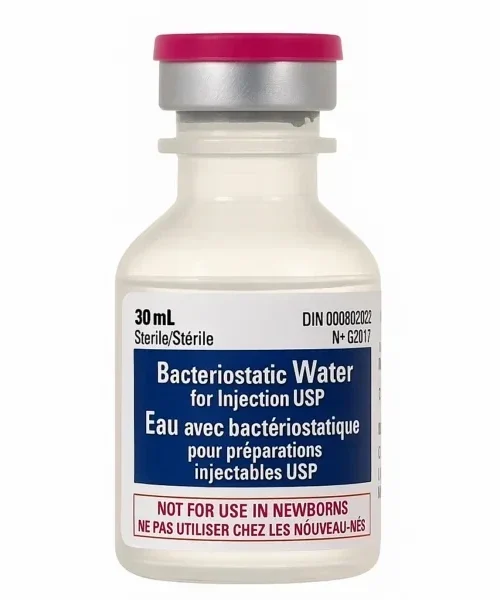
Concentration errors add another hazard. Confusing milligrams, micrograms, reconstitution volume, or syringe units can create a tenfold mistake surprisingly fast, tiny labels and late-night arithmetic are not friends.
Interactions are also under-researched. Hormone-related agents may complicate diabetes treatment or other endocrine therapies: bleeding risk and wound management matter around surgery: combining multiple compounds makes adverse effects harder to identify. Avoid constructing a “stack” from forum recipes. If a substance lacks dependable interaction data, that uncertainty is itself a risk, not an empty box you can safely ignore.
– Red flags: cancer history, pregnancy, endocrine disorders, anticoagulants, immunosuppression
You should avoid experimental peptide use unless an appropriate specialist has assessed it, often avoiding it entirely, if you’re pregnant, breastfeeding, under 18, or have active cancer or a cancer history. Compounds affecting growth pathways or angiogenesis create theoretical concerns that deserve caution, even where direct risk data are incomplete.
Extra scrutiny is essential with pituitary disease, diabetes, thyroid or adrenal disorders, unexplained hormone abnormalities, anticoagulants, immune suppression, organ disease, or planned surgery. Immunosuppression can increase infection consequences: anticoagulation makes injection-related bleeding more concerning.
Tell your clinician about supplements and research chemicals without embarrassment. Medical care works better with the whole story. A responsible professional may disagree with your choice, but they still need accurate information to interpret symptoms and tests.
Unregulated Products & Quality Control: The Supply Problem Nobody Talks About
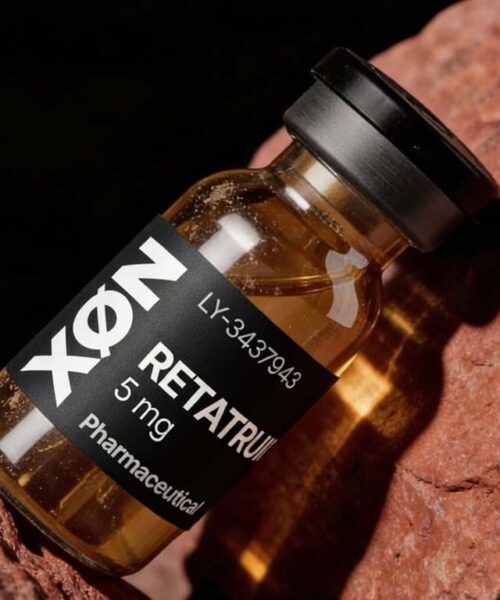
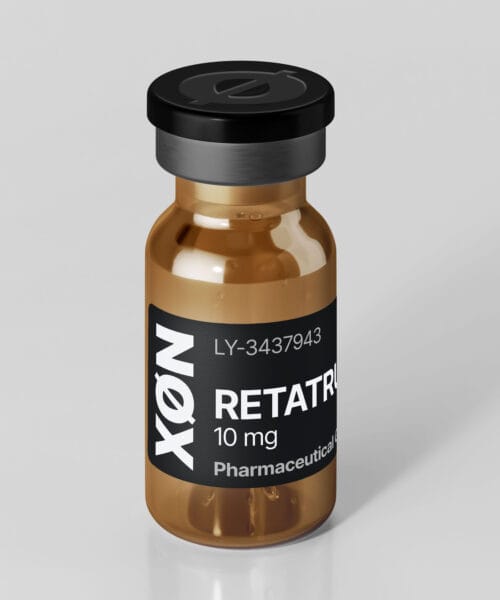
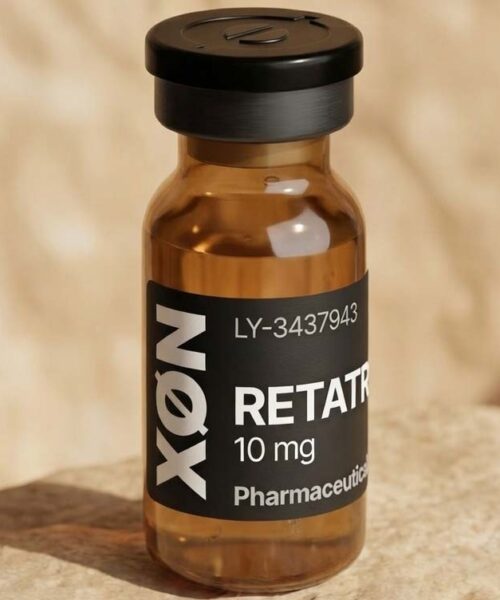
The molecule gets the hype: the vial deserves the suspicion. Products labeled “research use only” generally aren’t manufactured or reviewed as medicines for self-injection. Risks include incorrect identity, inaccurate concentration, bacterial contamination, endotoxins, degradation, or substituted ingredients.
A polished website and white lab coat in a product photo don’t solve this. Nor does a seller-funded test showing one favorable batch. The FDA has warned consumers about products marketed with unproven therapeutic claims, and its drug compounding resources explain why compounded drugs don’t undergo the same premarket approval process as FDA-approved medicines.
Compounding can serve legitimate patient needs when prescribed appropriately. It shouldn’t be confused with anonymous marketplace vials, crypto-only sellers, or social-media distributors shipping temperature-sensitive products in a padded envelope during an Arizona summer.
– How to vet a product: COA, third-party testing, chain of custody, compounding standards
A certificate of analysis (COA) is useful only when it matches the exact lot and comes from an identifiable, independent laboratory. Look for identity testing, potency, impurities, and, where injection is involved, sterility and bacterial endotoxin results. A generic “99% purity” chromatogram doesn’t establish sterility.
Ask:
- Can the laboratory verify the report directly?
- Does the lot number match your vial?
- Was the sample independently collected or selected by the seller?
- Is temperature-controlled shipping documented?
- Is a licensed pharmacy dispensing against a valid prescription?
- Can you identify the prescriber, pharmacist, and complaint process?
In the US, check pharmacy licensing with the relevant state board and review PCAB accreditation information where applicable. No checklist makes an unapproved treatment proven, but missing documentation makes the gamble worse.
Legality, Prescribing Reality, and Tested Sport (WADA/anti-doping) Considerations
Legal status varies by molecule, jurisdiction, formulation, and intended use. “Available online” doesn’t mean approved for human treatment. US clinicians generally prescribe FDA-approved drugs for recognized or medically justified off-label uses: popular research peptides may have no approved drug product or adequate evidence supporting routine injury care.
Compounding rules are also specific and evolving. A clinic offering an injection doesn’t automatically prove FDA approval, legal compliance, or effectiveness. Verify the drug, pharmacy, prescriber’s license, and rationale, not just the clinic’s branding.
Athletes face another layer. The World Anti-Doping Agency Prohibited List addresses growth factors, growth-hormone–releasing factors, and various non-approved substances. BPC-157 is prohibited under the non-approved substances category, while GH secretagogues and related compounds may fall within peptide hormone or growth-factor provisions. Rules can change annually.
If you compete, check the current list and your national anti-doping organization before use. Supplement contamination isn’t a guaranteed defense. Even physician involvement doesn’t automatically create a Therapeutic Use Exemption.
How to Integrate Peptides Into a Real Recovery Plan (If You Choose to Proceed)
Start with the question that gets skipped: What exactly is injured? Achilles tendinopathy, a partial tear, referred back pain, and inflammatory arthritis require different plans. Get a diagnosis based on history, examination, and imaging only when it changes management.
If you’re still considering a peptide, take a written list of the exact product, ingredients, source, and claims to a sports-medicine physician, surgeon, pharmacist, or endocrinologist as appropriate. Establish baseline symptoms and objective measures such as strength, range of motion, swelling, glucose, or relevant laboratory tests.
Decide in advance what would make you stop. Don’t add three compounds simultaneously, and don’t use symptom relief to jump rehabilitation stages. Most importantly, never delay proven treatment for an infection, fracture, complete rupture, neurological deficit, or surgical complication while experimenting with a peptide.
– The non-negotiables: diagnosis, load management, rehab progression, sleep, protein, micronutrients
Recovery is boringly loyal to fundamentals. That’s good news, you can control many of them.
- Load management: Reduce aggravating stress without defaulting to total rest. Progress volume and intensity using symptom response and clinician guidance.
- Rehabilitation: Build mobility, isometric tolerance, strength, power, and sport-specific demands in sequence.
- Sleep: Protect a consistent schedule: persistent sleep problems deserve treatment.
- Nutrition: Eat enough energy and protein. Many active adults use roughly 1.2–1.6 grams of protein per kilogram daily during recovery, individualized for health and training demands.
- Micronutrients: Correct documented deficiencies such as vitamin D or iron rather than megadosing blindly.
Picture two runners with the same tendon problem. The one doing progressive calf loading consistently will usually have a more defensible plan than the one injecting mystery compounds while testing the injury with weekend sprints.
– When to consider alternatives: PT, PRP, shockwave, surgery, or watchful waiting
Physical therapy is often the first meaningful intervention because it addresses capacity, mechanics, and graded return to activity. Watchful waiting may suit minor, improving injuries. Extracorporeal shockwave therapy has condition-specific evidence, stronger for some chronic tendinopathies than others.
Platelet-rich plasma (PRP) uses your blood-derived platelet concentrate. Results vary by injury and preparation: it isn’t a universal fix. Surgery is appropriate for selected ruptures, unstable injuries, severe structural problems, or failed conservative management, not simply because recovery feels slow.
| Option | Main advantage | Main limitation |
| PT | Functional, progressive approach | Requires time and adherence |
| PRP | Some condition-specific evidence | Variable protocols/results |
| Shockwave | Non-surgical option | Can be uncomfortable: indication matters |
| Surgery | Repairs selected structural problems | Operative and rehabilitation risks |
Choose by diagnosis and evidence, not novelty.
Peptides vs Commonly Confused Options (Collagen, BCAAs, PRP, Stem Cells)
These options often share a marketing sentence but little else.
| Option | What it is | Reasonable expectation |
| Research peptides | Signaling molecules sold or compounded in various forms | Highly uncertain for routine injury healing |
| Collagen peptides | Digested collagen supplement | Possible modest skin, joint, or connective-tissue support |
| BCAAs | Leucine, isoleucine, and valine | Usually unnecessary if total protein is adequate |
| PRP | Concentrated components from your blood | Mixed, diagnosis-dependent evidence |
| “Stem cell” procedures | Broad label covering very different products | Evidence and regulatory status vary dramatically |
BCAAs don’t rebuild a tendon by themselves: complete protein supplies all essential amino acids. PRP isn’t a peptide injection, and consumer “stem cell” packages may not contain clinically meaningful stem cells at all. The FDA’s consumer alert on regenerative medicine products is worth reading before paying thousands for grand claims and vague ingredients.
FAQ: Common Questions About Peptides for Healing
Quick answers are useful, but your injury still deserves an individual diagnosis. Pain location alone can mislead: “shoulder pain” might arise from a tendon, joint, neck, or nerve, and each changes the treatment calculation.
Use these answers as a filter for sales claims, not as instructions to self-prescribe. If a provider guarantees regeneration, dismisses side effects, sells every patient the same package, or pressures you to pay before explaining alternatives, step back. Good care tolerates questions.
– Do BPC-157 or TB-500 actually work for tendons/ligaments?
Laboratory and animal findings provide hypotheses, but strong replicated human trials haven’t established that BPC-157 or TB-500 reliably accelerates tendon or ligament healing, restores tensile strength, or improves return-to-sport outcomes. Hence, no evidence-based dosing regimen can be recommended for self-treatment.
Anecdotes can’t separate drug effects from natural recovery, reduced activity, physical therapy, or placebo response. If you have suspected tendon or ligament damage, determine whether it’s irritation, partial tearing, or complete rupture first. That distinction matters far more than an online protocol.
– Are peptide injections safer or more effective than oral supplements?
Not inherently. Injection can deliver a compound without digestive breakdown, but that doesn’t prove clinical effectiveness. It also adds risks from contamination, dosing errors, local injury, and infection.
Oral collagen has a different purpose and evidence base: digestion is part of how it’s used. It shouldn’t be judged as a weaker injectable BPC-157 because they aren’t versions of the same treatment.
Route matters only after you know the correct molecule, indication, formulation, and dose. “Injected” may sound medical and powerful, yet a sterile needle can’t transform an unproven or mislabeled product into good medicine.
– Why don’t most doctors prescribe these peptides?
The usual reasons aren’t secrecy or hostility to innovation. Clinicians need credible evidence of benefit, understood risks, consistent manufacturing, legal prescribing pathways, and a defensible reason to choose a treatment over established care.
For many research peptides, human efficacy data, long-term safety information, standardized dosing, and approved products are absent. Professional liability and anti-doping implications add further concerns.
Doctors routinely adopt new therapies when evidence becomes convincing, that’s how many peptide drugs entered mainstream medicine. Skepticism toward BPC-157 or TB-500 for injuries reflects missing clinical proof, not a belief that every new molecule is doomed.
– What should I do if something goes wrong (side effects, contamination, worsening pain)?
Stop using the suspected product and contact a clinician or pharmacist. Keep the vial, packaging, receipt, lot number, and photos: don’t discard evidence that could identify contamination. Tell the clinician exactly what you used, when, how much, and what else you take.
Seek emergency care for breathing trouble, facial swelling, chest pain, fainting, confusion, severe weakness, rapidly spreading redness, high fever, or sudden shortness of breath. In the US, you can contact Poison Control and report serious product problems through FDA MedWatch.
Eventually, choosing a peptide for healing should never mean gambling your recovery on hype. Human evidence, product quality, medical supervision, and a real rehabilitation plan all matter. Start with the diagnosis, master the unglamorous fundamentals, and treat extraordinary promises exactly as they deserve: with curiosity, careful questions, and both eyebrows raised.
Frequently Asked Questions About Peptides for Healing
What is a peptide for healing and how do they work?
Peptides for healing are short chains of amino acids that can signal cells to aid tissue repair. They may influence inflammation, blood flow, and collagen synthesis, but their effectiveness varies widely depending on the specific peptide and the injury type.
Do BPC-157 and TB-500 peptides effectively speed up tendon or ligament healing?
Currently, strong replicated human trials do not support that BPC-157 or TB-500 reliably accelerate tendon or ligament healing. Much evidence comes from animal studies, so their clinical benefits in humans remain unproven and experimental.
Are peptide injections safer or more effective than oral collagen supplements for healing?
Injection can deliver peptides without digestive breakdown but carries risks like infection and dosing errors. Oral collagen supports skin and joint health modestly and is safer but acts differently. Neither method guarantees healing without proper diagnosis and rehabilitation.
Why don’t most doctors prescribe experimental healing peptides like BPC-157?
Doctors require credible evidence, understood risks, legal approvals, and standardized dosing before prescribing. Experimental peptides lack robust human data, approved products, and may pose legal and safety concerns, making them unsuitable for routine clinical use.
What are the potential risks and side effects of using healing peptides?
Risks include injection-site reactions, allergies, headaches, nausea, hormonal imbalances, infection from contamination, uncertain long-term effects, and interactions with other medications. Unregulated products increase these risks significantly.
How should peptides be integrated into a real recovery plan?
Peptides should never replace proven treatments. Recovery depends on accurate diagnosis, load management, progressive rehabilitation, sufficient protein and micronutrients, and sleep. Any peptide use should be discussed with healthcare professionals alongside these fundamentals.