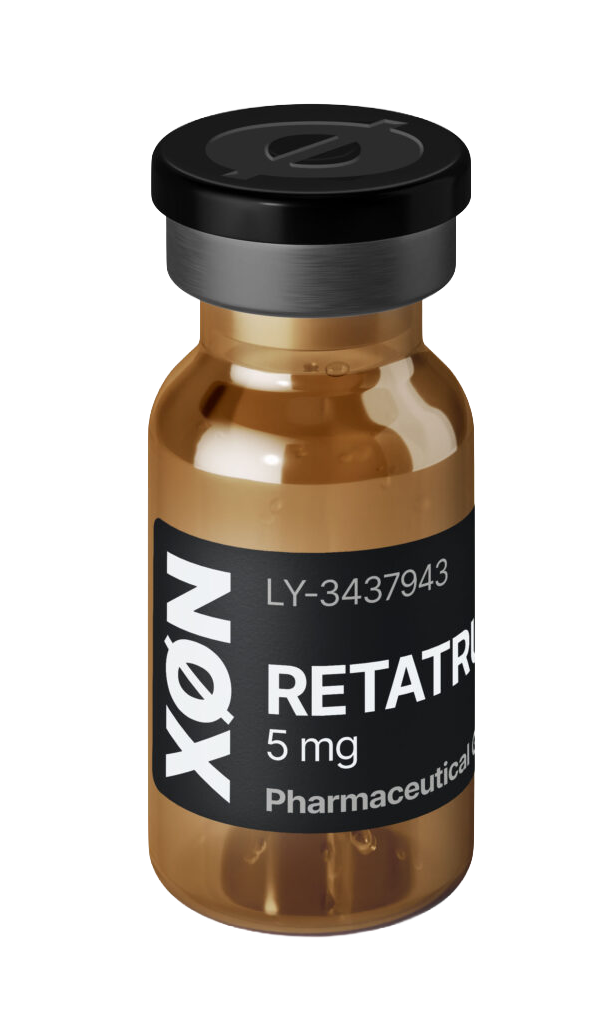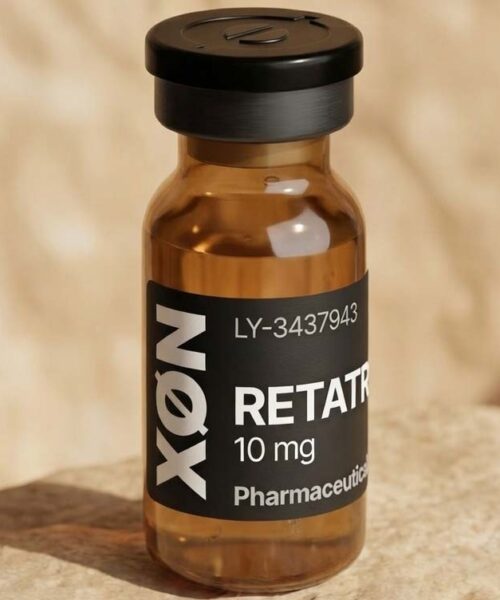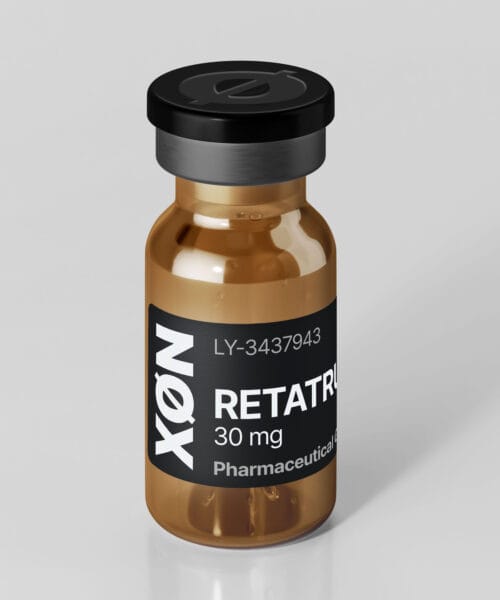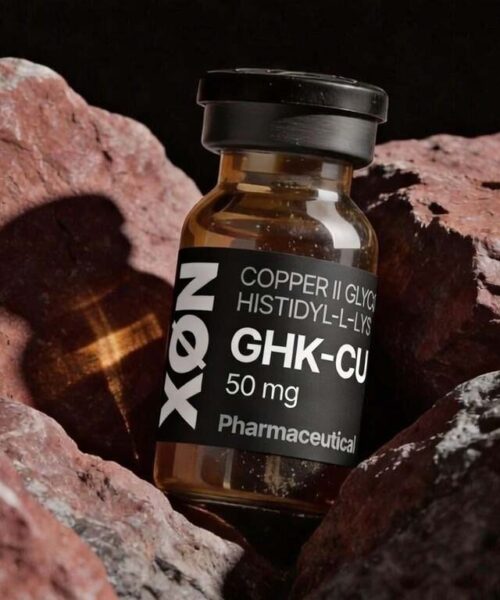


A peptide for losing weight can sound like either a medical breakthrough or something sold from a gym locker in an unmarked vial. In reality, several peptide-based prescription drugs, most notably semaglutide, liraglutide, and tirzepatide, produce meaningful weight loss when combined with nutrition, activity, and clinical monitoring. Many other peptides promoted online have little or no reliable human evidence.
This review focuses on medications supported by randomized clinical trials and separates them from experimental products. You’ll learn how they work, what results are realistic, who may qualify, and which safety questions to discuss with your clinician. Drug availability, coverage, and prices change frequently, so consider cost figures approximate.
Disclosure: This article has no affiliation with drug manufacturers, telehealth clinics, compounding pharmacies, or supplement sellers. It provides general education, not individualized medical advice or a prescription recommendation.
Key Takeaways
- Peptides for losing weight like semaglutide, liraglutide, and tirzepatide have strong clinical evidence supporting their effectiveness when combined with diet, exercise, and medical supervision.
- These peptide medications work by reducing appetite, increasing fullness, and slowing stomach emptying rather than directly melting fat, typically resulting in significant weight loss over months.
- FDA-approved peptide drugs require a prescription and are suitable for adults with a BMI of 30 or higher, or 27 with related health conditions, with treatment tailored to individual health profiles.
- Common side effects include gastrointestinal symptoms such as nausea and constipation, and ongoing monitoring with a healthcare provider is essential to manage risks and ensure safety.
- Beware of non-prescription peptide blends or “natural” products lacking scientific evidence and regulatory approval, as they may pose safety risks and often do not deliver reliable weight loss results.
- Cost and insurance coverage for peptide prescriptions vary widely, so patients should verify total expenses and purchase only through licensed pharmacies to avoid counterfeit or unsafe products.
How does a peptide for losing weight work?
Peptides are short chains of amino acids that can act as biological messengers. The best-supported weight-management peptides imitate, or activate receptors used by, hormones involved in appetite, digestion, and blood-sugar regulation.
GLP-1 receptor agonists such as semaglutide and liraglutide help you feel full sooner, reduce hunger, and slow stomach emptying. Tirzepatide activates both GIP and GLP-1 receptors. These effects often make smaller meals feel surprisingly adequate: the medication doesn’t directly “melt” fat.
Your calorie intake usually falls because food noise and appetite become quieter. Results still depend on dose tolerance, sleep, food choices, physical activity, and how your body responds.
Do peptides really work for weight loss? (What the evidence shows)
Yes, but only certain medications have convincing evidence. In the 68-week STEP 1 trial, adults without diabetes receiving semaglutide 2.4 mg lost an average of about 14.9% of body weight, versus 2.4% with placebo alongside lifestyle intervention.¹
In SURMOUNT-1, tirzepatide produced average losses of roughly 15% to 20.9% at 72 weeks, depending on dose, compared with 3.1% for placebo.² Individual outcomes varied, and trial participants received structured support.
Stopping can reverse progress. A semaglutide extension study found substantial weight regain after withdrawal, reinforcing that obesity often requires ongoing care.³
Best peptides for weight loss (most proven options)
The strongest options are FDA-approved prescription medications tested in large human trials. “Best” depends on your medical history, response, side effects, insurance, and whether you have type 2 diabetes, not whichever injection is trending on TikTok.
– Semaglutide (GLP-1)
Semaglutide is sold as Wegovy for chronic weight management and Ozempic for type 2 diabetes. Both contain semaglutide, but their approved uses and dose schedules differ. Wegovy is typically injected weekly and increased gradually.
Its evidence base is strong, and Wegovy also has an FDA-approved indication to reduce major cardiovascular events in certain adults with cardiovascular disease and overweight or obesity.⁴
Common drawbacks include nausea, constipation, diarrhea, vomiting, and cost. Using Ozempic solely for weight loss is off-label.
– Liraglutide (GLP-1)
Saxenda is liraglutide approved for chronic weight management: Victoza is its diabetes counterpart. Unlike weekly semaglutide, liraglutide requires a daily injection.
In a 56-week trial, participants receiving liraglutide 3 mg lost an average of 8.4 kg, compared with 2.8 kg in the placebo group.⁵ It generally produces less weight loss than newer weekly options, but it remains evidence-based and may suit someone who can’t access or tolerate them.
Daily injections and gastrointestinal symptoms are the obvious trade-offs. Still, “older” doesn’t mean ineffective.
– Tirzepatide (GIP/GLP-1)
Tirzepatide is sold as Zepbound for chronic weight management and Mounjaro for type 2 diabetes. It’s a once-weekly dual GIP/GLP-1 receptor agonist and has delivered some of the largest average reductions seen in medication trials.
Zepbound is also FDA-approved for moderate-to-severe obstructive sleep apnea in adults with obesity.⁶
That potency doesn’t make it automatically right for you. Nausea, diarrhea, constipation, and vomiting can limit dose escalation. Tirzepatide may also reduce the effectiveness of oral hormonal contraceptives during initiation and after each dose increase, requiring backup planning with your clinician.
How much weight can you lose on peptides? (Typical timelines and factors)
Trial averages offer a compass, not a promise.
| Medication | Approximate average trial result | Trial period |
| Liraglutide 3 mg | About 8% | 56 weeks |
| Semaglutide 2.4 mg | About 15% | 68 weeks |
| Tirzepatide | About 15%–21% | 72 weeks |
You may notice appetite changes within weeks, but weight loss usually unfolds over months as the dose increases. Diabetes, missed doses, side effects, sleep, medications, and adherence can alter the outcome.
For perspective, a 200-pound person losing 15% would lose around 30 pounds. Some lose considerably more: others stop early or see little response. A plateau isn’t a moral failure, it’s useful clinical information.
Peptide therapy vs Ozempic/Wegovy/Mounjaro: mechanisms, outcomes, safety, and cost
The phrase “peptide therapy” is vague. Ozempic, Wegovy, and Mounjaro are themselves peptide-based medications, but branded drugs have standardized manufacturing, FDA-reviewed labeling, and established dosing.
| Product | Main pathway | FDA-approved role | Key distinction |
| Wegovy | GLP-1 | Weight management | Semaglutide at obesity dosing |
| Ozempic | GLP-1 | Type 2 diabetes | Weight loss may occur: not its obesity indication |
| Mounjaro | GIP/GLP-1 | Type 2 diabetes | Same active ingredient as Zepbound |
| Clinic “peptide blend” | Varies | Often none | Evidence and quality may be unclear |
Brand-name cash prices can exceed $1,000 monthly before discounts, while compounded offers may appear cheaper. Cheaper isn’t reassuring if identity, sterility, or dosing is uncertain.
“Natural”/off-label peptides often marketed for fat loss: what to know before you try them
“Natural,” “biohacking,” and “research-grade” are marketing descriptions, not evidence standards. An off-label use can be medically reasonable when supported by data and clinician judgment. An unapproved chemical sold with vague instructions is a different proposition.
– BPC-157: claims vs clinical evidence for weight loss
BPC-157 is promoted for healing, gut health, and occasionally fat loss. Those claims rely heavily on animal or laboratory research. There are no robust randomized human trials showing that BPC-157 causes clinically meaningful weight loss, and it isn’t FDA-approved for treating any condition.
If a seller presents before-and-after photos as “proof,” pause. Diet changes, training, other drugs, and selective testimonials can create a persuasive illusion. You also can’t assume an injectable product is sterile or accurately labeled merely because its website looks polished.
– MOTS-c: early research, limitations, and safety unknowns
MOTS-c is a mitochondrial-derived peptide studied for possible roles in metabolism and cellular signaling. Early animal research is scientifically interesting, but interesting isn’t the same as ready for your bathroom cabinet.
Human evidence for weight loss remains insufficient, and long-term risks, effective dosing, interactions, and manufacturing standards are unresolved. Products sold online may not match what researchers study. Until controlled human trials establish benefit and safety, MOTS-c should be considered experimental rather than a proven obesity treatment.
– Red flags: research chemicals, compounded products, and counterfeit injections
Walk away when you see:
- “Not for human consumption” beside injection instructions
- No prescription or medical screening
- Peptide powders requiring home mixing
- Doses described only in syringe “units” without milligrams
- Missing pharmacy name, lot number, or storage information
- Payment by cryptocurrency, cash app, or social-media message
Compounded drugs can fill legitimate clinical needs, but they aren’t FDA-approved equivalents. The FDA has warned about dosing errors and adverse events involving compounded semaglutide. Use only a properly licensed prescriber and pharmacy, and verify state licensure independently.
Do you need a prescription for peptides for weight loss? (Eligibility and medical criteria)
FDA-approved weight-loss injections require a prescription. In general, adults may be considered with a body mass index (BMI) of 30 or higher, or 27 or higher plus a weight-related condition such as hypertension, dyslipidemia, type 2 diabetes, sleep apnea, or cardiovascular disease. Pediatric indications and age thresholds differ by product.
BMI is only a screening tool. Your clinician should review pregnancy plans, gallbladder and pancreatic history, gastrointestinal symptoms, kidney function, eating-disorder risk, medications, and prior weight-management attempts.
You don’t need to “earn” treatment through shame or extreme dieting. But you do need a real assessment, not a 45-second checkout quiz designed mainly to approve your credit card.
Side effects and risks: common, serious, and long-term considerations
The usual side effects are gastrointestinal: nausea, diarrhea, constipation, vomiting, reflux, abdominal discomfort, and reduced appetite. They often worsen after dose increases and may improve as your body adjusts.
Less common but important risks include gallbladder disease, pancreatitis, dehydration-related kidney injury, severe gastrointestinal reactions, allergic reactions, and hypoglycemia when combined with insulin or sulfonylureas. Rapid weight loss can also reduce lean mass, making protein intake and resistance training important.
GLP-1–based drugs carry a boxed warning based on thyroid C-cell tumors in rodents. They’re contraindicated with a personal or family history of medullary thyroid carcinoma or multiple endocrine neoplasia syndrome type 2: human relevance remains uncertain.
Safety checklist: who should avoid weight-loss peptides and key drug interactions
Before starting, tell your prescriber if you’re pregnant, breastfeeding, trying to conceive, or have a history of pancreatitis, gallstones, severe gastroparesis, kidney problems, diabetic retinopathy, or major gastrointestinal disease.
Also review every medication and supplement. Key issues include:
- Insulin or sulfonylureas: hypoglycemia risk may increase.
- Other GLP-1 drugs: don’t stack them unless explicitly directed.
- Oral medications: delayed stomach emptying may affect absorption.
- Oral contraceptives with tirzepatide: backup contraception may be needed for four weeks after starting and after each dose escalation.
- Surgery or sedation: your care team needs to know because delayed gastric emptying can affect aspiration risk.
Never conceal peptide use from an anesthesiologist. That’s one plot twist nobody wants.
How to use peptides effectively (dose basics, monitoring, and lifestyle that improves results)
Start at the prescribed dose and titrate slowly. More isn’t better: racing upward often buys you nausea, not faster fat loss. If symptoms become difficult, contact your clinician rather than improvising.
A practical routine looks like this:
- Use the injection on the same day each week and follow storage instructions.
- Track weight weekly, not after every trip to the bathroom.
- Eat smaller meals and stop when comfortably full.
- Prioritize protein, fiber, fluids, and two or more weekly resistance-training sessions when appropriate.
- Review side effects, waist measurement, blood pressure, and relevant labs with your clinician.
If you repeatedly can’t eat enough, that isn’t “maximum effectiveness.” It’s a reason to reassess the dose.
Cost, access, and insurance: what you may pay and how to reduce risk when buying
Coverage varies by diagnosis, employer plan, Medicare rules, prior authorization, and location. Retail list prices for branded injections are commonly above $1,000 for a month’s supply, although manufacturer cash-pay programs, savings cards, or insurance can change your actual bill. Savings cards often exclude government insurance and have eligibility restrictions.
Before paying, ask for the total monthly cost, including visits, labs, membership fees, medication, needles, and shipping. Then verify:
- The exact drug and concentration
- Whether it’s FDA-approved or compounded
- The dispensing pharmacy’s license
- Refrigerated shipping and replacement policies
- What happens during shortages or side effects
Never buy pens from Facebook Marketplace, a gym contact, or a friend’s leftover prescription. Counterfeit medication can look impressively real.
When to contact a doctor (warning symptoms and follow-up schedule)
Seek urgent medical care for severe or persistent abdominal pain, especially if it reaches your back, repeated vomiting, inability to keep fluids down, fainting, breathing difficulty, facial swelling, severe weakness, or signs of very low blood sugar. Yellowing skin, fever with upper-right abdominal pain, or markedly reduced urination also warrants prompt evaluation.
Arrange routine follow-up during dose escalation, often every four to twelve weeks depending on your health and treatment plan. Discuss persistent constipation, worsening reflux, mood or eating changes, vision symptoms if you have diabetes, and a prolonged weight plateau.
Eventually, the best peptide for losing weight is a regulated, evidence-based medication that fits your health profile and remains tolerable and affordable. Choose clinical follow-up over hype, and never mistake appetite suppression for complete medical care.
Frequently Asked Questions About Peptides for Losing Weight
What is a peptide for losing weight and how does it work?
A peptide for losing weight is a short chain of amino acids that mimics hormones regulating appetite and digestion. Medications like semaglutide and liraglutide reduce hunger and slow stomach emptying, helping decrease calorie intake without directly melting fat.
Do peptides really help with weight loss based on clinical evidence?
Yes, certain peptides like semaglutide and tirzepatide have strong clinical trial evidence showing average weight losses of 15% to over 20% when combined with lifestyle changes over months. However, effectiveness varies among individuals and ongoing treatment is often necessary.
Which peptides are considered the most effective for weight loss?
The most proven options are FDA-approved drugs like semaglutide (Wegovy), liraglutide (Saxenda), and tirzepatide (Zepbound). These have been tested in large human trials and provide significant weight loss, but suitability depends on medical history and tolerability.
What are common side effects and safety considerations of weight-loss peptides?
Common side effects include nausea, diarrhea, constipation, and vomiting, often easing over time. Serious risks can include gallbladder issues and pancreatitis. Peptides are not advised for people with certain thyroid cancers or during pregnancy, and interactions with other medications must be monitored.
Do you need a prescription to use peptides for weight loss?
Yes, FDA-approved weight-loss peptides require a prescription and medical evaluation. Eligibility usually includes adults with a BMI of 30 or higher, or 27 plus a weight-related condition. Proper clinical assessment ensures safe and appropriate use.
How can I maximize the effectiveness of peptide therapy for weight loss?
Start at the prescribed dose and increase slowly under medical supervision. Combine with smaller, protein- and fiber-rich meals, regular physical activity including resistance training, and monitor side effects and progress with your clinician regularly.