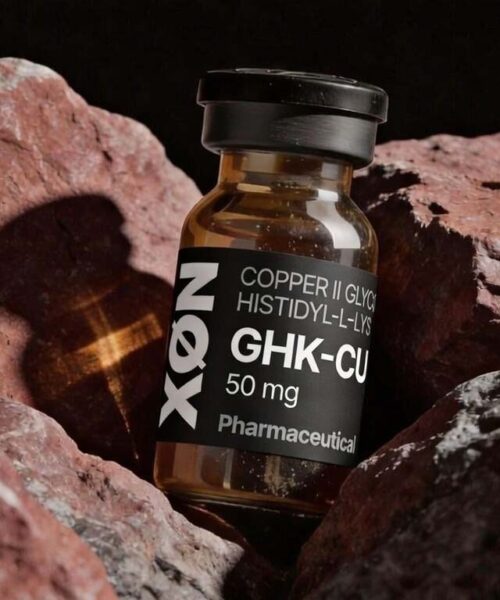


“Peptide growth hormone” sounds like one treatment, but it’s really a loose label covering human growth hormone (HGH), injectable compounds that stimulate your own GH release, and even non-peptide drugs such as MK-677. That muddle matters: these products differ substantially in evidence, legality, dosing, and risk.
This review explains what HGH peptides can, and can’t, reasonably do, using current human evidence and FDA status rather than before-and-after photos. You’ll learn how common options compare with prescription HGH, what monitoring makes sense, and which warning signs deserve medical attention.
The short version? Some therapies have legitimate, narrowly defined medical uses. Evidence for bodybuilding, routine fat loss, “anti-aging,” better hair, or youthful skin is far less convincing. This article is educational, not personalized medical advice: treatment decisions should involve an endocrinologist or another qualified clinician. There are no product affiliations or financial conflicts behind the comparisons below.
Key Takeaways
- Peptide growth hormone therapies include HGH itself, secretagogues stimulating natural GH release, and non-peptide drugs like MK-677, which differ widely in evidence, legality, and risk.
- Prescription HGH has strong clinical backing for confirmed GH deficiency, while most peptide secretagogues lack robust evidence for bodybuilding, fat loss, or anti-aging claims.
- Tesamorelin is FDA-approved specifically for reducing HIV-associated abdominal fat, but general fat loss or anti-aging benefits from peptides remain unproven.
- Monitoring IGF-1, glucose, and clinical symptoms with qualified clinicians is essential to safely use peptide growth hormone therapies and avoid adverse effects.
- Peptide therapies should never be used in place of professional diagnosis and treatment plans, especially in children or with unverified products from unreliable sources.
- Beware of marketing claims promising quick fat loss, height increase in adults, or eternal youth, as these lack scientific support and can pose health risks.
What Is Peptide Growth Hormone (and What People Mean by “HGH Peptides”)?
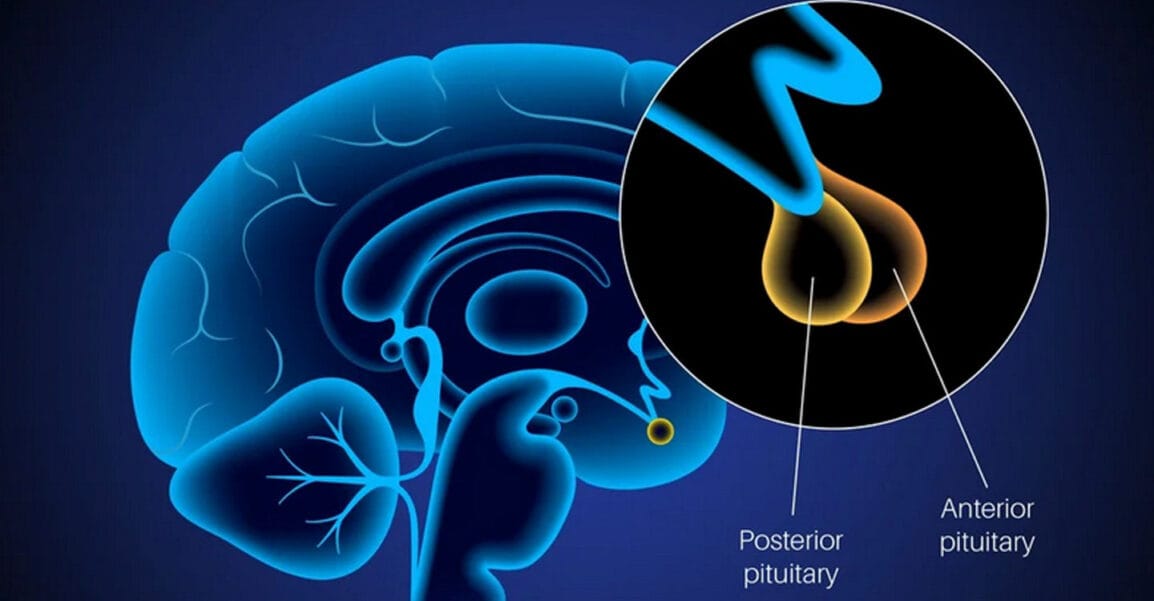
Peptide growth hormone usually means either HGH itself or a secretagogue, a substance that tells your pituitary gland to release more GH. Clinics and online sellers often blur these categories, so check the active ingredient rather than trusting the label.
Peptides vs proteins: where HGH fits biologically
Peptides are amino-acid chains: proteins are generally larger, folded chains with more complex biological functions. HGH, or somatropin, is a 191-amino-acid protein hormone. Calling it a peptide isn’t entirely absurd, but “HGH peptide” is usually marketing shorthand, not a precise drug class.
Growth hormone secretagogues (GHS): GHRH analogs vs GHRPs vs oral secretagogues
GHRH analogs, including sermorelin and tesamorelin, imitate growth hormone–releasing hormone. GHRPs such as ipamorelin act mainly through the ghrelin receptor. Oral MK-677 targets that receptor too, but isn’t a peptide. Different routes, half-lives, and approvals mean they aren’t interchangeable.
How Growth Hormone and IGF-1 Work in the Body
GH affects metabolism directly and prompts the liver and other tissues to produce insulin-like growth factor 1 (IGF-1). Together, the two pathways influence growth, tissue maintenance, fluid balance, fat metabolism, and glucose regulation.
Pituitary pulses, sleep, exercise, and age-related decline
Your pituitary releases GH in bursts, with a major pulse commonly occurring during deep sleep. Exercise, fasting, nutrition, stress, sex, body fat, and age all modify secretion. Output generally declines after early adulthood, but a lower age-adjusted level doesn’t automatically indicate disease.
GH vs IGF-1: what changes (and what doesn’t) with peptide therapy
Secretagogues may amplify GH pulses and raise IGF-1 if your pituitary can respond. They don’t recreate youthful biology or guarantee muscle growth. HGH injections provide hormone directly and can raise IGF-1 more predictably, including when pituitary output is impaired.
Peptide Growth Hormone Options: Types, Examples, and What They’re Used For
Only a few products in this crowded category have robust clinical data or FDA-approved indications. Here’s the practical landscape, not the glossy clinic-menu version.
Sermorelin (GHRH analog): typical positioning, pros/cons
Sermorelin is a shortened GHRH analog formerly approved for pediatric diagnostic use: that product was discontinued. It’s now frequently compounded and prescribed off-label. It may preserve pulsatile release, but anti-aging and physique claims lack strong trial evidence. Its short action can also mean frequent injections.
CJC-1295 (DAC vs no-DAC): duration differences and practical implications
CJC-1295 with drug-affinity complex (DAC) was designed for prolonged activity, potentially extending exposure for days. “No-DAC CJC-1295” usually refers to modified GRF 1-29, a shorter-acting compound. Neither is FDA-approved. Online naming is inconsistent, making purity and dosing especially difficult to verify.
Ipamorelin and other GHRPs: ghrelin pathway, appetite, and tolerability
Ipamorelin activates the ghrelin receptor to stimulate GH release. It’s promoted as more selective than older GHRPs, which may increase cortisol or prolactin more noticeably, but clinical outcome data remain limited. Appetite may rise, awkward if fat loss was your entire plan.
Tesamorelin: what evidence exists (and for whom)
Tesamorelin has the clearest peptide-specific evidence. The FDA approves Egrifta WR for reducing excess abdominal fat in adults with HIV and lipodystrophy, not general obesity or weight loss. Trials show reduced visceral adipose tissue, although fat can return after treatment stops.
MK-677 (ibutamoren): not a peptide, why it’s often grouped in anyway
MK-677 is an oral ghrelin-receptor agonist that can increase GH and IGF-1. It’s grouped with peptides because the endpoint is similar. It isn’t FDA-approved, and studies report concerns including increased appetite, edema, higher glucose, and reduced insulin sensitivity.
Peptide Growth Hormone vs Traditional HGH Injections: Effectiveness, Safety, Cost, and Convenience
The comparison hinges on diagnosis. For confirmed GH deficiency, prescription somatropin has established dosing and clinical guidance. Secretagogues are less predictable and, outside specific indications, supported by thinner evidence.
| Factor | Secretagogues | Prescription HGH |
| Action | Stimulate endogenous release | Replace GH directly |
| Response | Depends on pituitary function | More predictable |
| Evidence | Product- and indication-specific | Strong for diagnosed deficiency |
| Convenience | Oral or injectable | Usually injected |
| Cost | Highly variable: often cash-pay | Often expensive: coverage diagnosis-dependent |
Mechanism: stimulating your own GH pulses vs replacing GH directly
Secretagogues rely on a functioning hypothalamic-pituitary system and may retain some physiological feedback. Somatropin bypasses that release mechanism. That makes HGH more useful when endogenous production is truly deficient, but also easier to over-replace if dosing and IGF-1 aren’t monitored.
Expected outcomes: body composition, recovery/sleep, performance, skin/hair claims
Adults with proven deficiency may experience improved body composition, exercise capacity, or quality of life with appropriate HGH treatment. In healthy adults, benefits are less certain. Sleep and recovery reports are often subjective: convincing evidence for performance, wrinkle reversal, or hair regrowth is lacking.
Risk profile differences: edema, glucose/insulin effects, prolactin/cortisol concerns
Both approaches can cause fluid retention, joint symptoms, tingling, and impaired glucose control. Some older GHRPs may affect cortisol or prolactin, although effects vary by drug and dose. “Stimulates your own hormone” does not mean side-effect-free.
Who may benefit more from HGH vs peptides (and why)
HGH is generally favored for confirmed adult or pediatric GH deficiency because it has standardized products and established protocols. Tesamorelin fits its specific HIV-lipodystrophy indication. For otherwise healthy people seeking anti-aging or gym gains, neither option has a favorable, well-proven benefit-risk case.
Do Peptide Growth Hormone Therapies Work? What the Evidence Actually Supports
“Works” needs an endpoint. Raising IGF-1 is not the same as improving health, strength, appearance, or longevity. A lab result can prove biological activity without proving a meaningful benefit to you.
What outcomes have human data vs what’s mostly anecdotal/marketing
Human evidence supports somatropin for diagnosed GH disorders and tesamorelin for HIV-associated abdominal lipodystrophy. Some secretagogues reliably alter GH or IGF-1, but evidence for long-term fat loss, hypertrophy, injury healing, anti-aging, and lifespan extension remains limited or absent.
Adults vs children: why pediatric claims (like height increases) are different
Children with open growth plates and diagnosed GH deficiency may gain height with specialist-managed HGH. Adults’ growth plates are fused, so extra GH won’t make them taller. Giving unapproved peptides to a growing child without pediatric endocrinology oversight is particularly risky.
Safety, Side Effects, and Who Should Avoid HGH Peptides
Safety depends on the compound, dose, duration, underlying conditions, and product quality. Long-term data for several clinic and “research” combinations are sparse, while stacking compounds makes side effects harder to trace.
Common side effects: water retention, headaches, flushing, tingling, appetite changes
Potential effects include swollen fingers or ankles, headaches, flushing, joint discomfort, injection-site reactions, tingling, and appetite changes. Some improve after dose reduction: others signal that treatment should pause. Don’t normalize persistent symptoms because a forum calls them “part of the process.”
Red flags and stop reasons: swelling, numbness/carpal tunnel, mood changes, high glucose
Contact your clinician promptly for progressive swelling, hand numbness, severe headaches, marked mood changes, shortness of breath, or rising glucose. Sudden vision changes, chest pain, neurological symptoms, or allergic reactions warrant urgent medical evaluation.
– Contraindications and caution groups: cancer history, uncontrolled diabetes, pregnancy, sleep apnea
Active malignancy is a major concern because GH and IGF-1 promote cellular growth signaling. You also need specialist review with a cancer history, uncontrolled diabetes, proliferative diabetic eye disease, pregnancy, critical illness, or untreated sleep apnea. Fluid retention may worsen apnea, while glucose effects can complicate diabetes management.
Testing and Monitoring: IGF-1, Growth Hormone Testing, and What Labs Matter
Good monitoring begins before the first dose. A clinician should evaluate symptoms, medications, nutrition, sleep, thyroid status, and other explanations, not simply treat one “low” result from a wellness panel.
Why random GH blood tests are misleading (pulsatile secretion)
Because GH rises and falls sharply, a random sample may be nearly undetectable in a healthy person. Diagnosis can require validated stimulation testing under endocrinology supervision. IGF-1 is steadier, but must be interpreted using age-adjusted laboratory ranges and clinical context.
Baseline and follow-up labs: IGF-1, fasting glucose/A1C, lipids, thyroid, CMP, CBC
Typical assessment may include IGF-1, fasting glucose, A1C, lipids, thyroid tests, comprehensive metabolic panel, and complete blood count. Follow-up timing depends on therapy and risk. Symptoms, blood pressure, waist measurements, and medication interactions matter alongside lab values.
How Long Until Results? Realistic Timelines and What to Expect
Response varies, and quick subjective changes can be misleading. Agree on measurable goals before treatment: symptom scores, waist circumference, body composition, glucose markers, or another diagnosis-specific outcome.
Week 1–4: sleep/recovery signals vs placebo traps
You might notice sleep, appetite, or fluid changes within weeks, but expectation effects are powerful. A wearable’s “recovery score” isn’t clinical proof. Keep training, caffeine, alcohol, and bedtime reasonably stable so you aren’t comparing apples with caffeinated oranges.
Month 2–3: body composition and training adaptations
Body-composition changes, when they occur, generally take longer and may reflect training or diet changes made simultaneously. Use consistent photos, waist measurements, and validated scans where appropriate. Scale weight can rise from water rather than new muscle.
Month 3+: reassessment, diminishing returns, and when to discontinue
At roughly three months, or the interval your clinician specifies, compare outcomes with baseline. Stop or adjust for adverse effects, worsening glucose, excessive IGF-1, or no meaningful benefit. Continuing indefinitely because you’ve already paid is sunk-cost thinking, not medicine.
Legality, Prescriptions, and Product Quality: Avoiding Counterfeits and Risky “Research” Peptides
Legal status varies by compound and country. In the US, products labeled “research use only” aren’t approved for human self-administration. Competitive athletes should also check the World Anti-Doping Agency prohibited list, which restricts GH and many secretagogues.
FDA approval status: HGH vs peptide therapies and off-label realities
FDA-approved somatropin products cover specific pediatric and adult indications. Tesamorelin has a narrow approved use. Sermorelin, CJC-1295, ipamorelin, and MK-677 aren’t broadly FDA-approved therapies for anti-aging or bodybuilding. Off-label prescribing doesn’t automatically establish effectiveness, or insurance coverage.
Compounding and sourcing: sterility, dosing accuracy, and third-party testing
Compounded drugs can be appropriate when a patient has a legitimate clinical need, but they aren’t FDA-approved in the same way as commercial products. Ask about the licensed pharmacy, prescriber, lot tracking, storage, sterility, and potency testing. A downloadable “certificate” alone can be forged.
Frequently Asked Questions About Peptide Growth Hormone
Is HGH a peptide?
HGH is a 191-amino-acid protein hormone, although it’s casually placed under the peptide umbrella. Secretagogues are different: they encourage your body to release GH rather than supplying recombinant GH directly.
Are peptide growth hormone therapies steroids or do they affect testosterone?
They aren’t anabolic steroids and don’t directly replace testosterone. GH and androgen pathways can interact in body composition and metabolism, but a GH secretagogue isn’t testosterone therapy. Claims that it safely produces steroid-like muscle gains are unsupported.
Can HGH peptides help with fat loss, anti-aging, or hair growth?
Tesamorelin can reduce visceral abdominal fat in adults with HIV-associated lipodystrophy. That doesn’t validate general weight-loss claims. Evidence for reversing aging or restoring hair is weak: increased IGF-1 isn’t a proven fountain of youth, sadly.
Do oral sprays/sublingual “HGH peptides” work?
HGH is a large molecule that’s poorly absorbed orally, which is why prescription somatropin is injected. Be skeptical of sprays or drops promising HGH-like effects without credible pharmacokinetic and clinical data. MK-677 is orally active, but it’s neither HGH nor a peptide.
Can peptides increase height in children or teens?
Only children with remaining growth potential and specific medical conditions may benefit from approved growth-promoting treatment. Evaluation should include growth charts, bone age, labs, and pediatric endocrinology expertise. Healthy teens shouldn’t use online peptides to chase extra inches.
Bottom line: Peptide growth hormone therapy isn’t one standardized treatment. Prescription HGH and tesamorelin have evidence for defined conditions: many popular secretagogues remain unapproved and under-studied. If you’re considering one, first confirm the diagnosis, set measurable goals, verify the pharmacy, and establish monitoring. If a seller promises effortless fat loss, taller adults, thicker hair, and eternal youth in the same vial… keep your wallet closed.