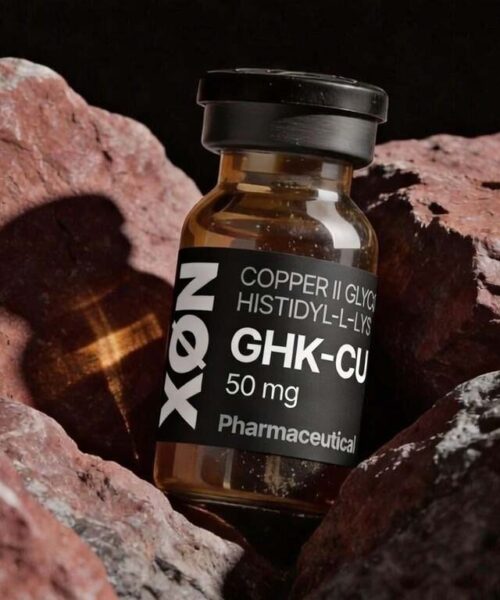

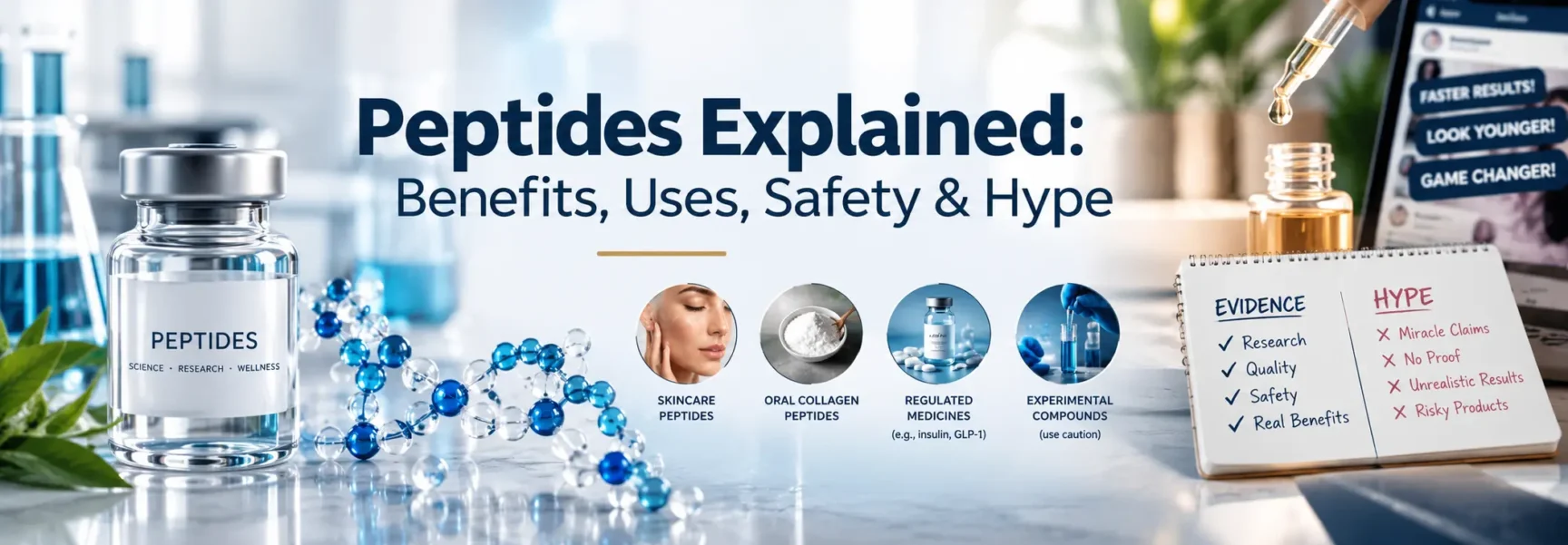
Peptides have escaped the biochemistry textbook. They’re now tucked into $20 face serums, mixed into collagen powders, prescribed as blockbuster medicines, and promoted online as shortcuts to faster recovery, younger skin, or more muscle. That creates an awkward problem: the word peptide can describe both insulin, a rigorously tested, lifesaving medication, and BPC-157, an experimental compound without approval for human therapeutic use in the United States.
So, what are you actually buying?
This evidence-focused guide explains peptides from the ground up: what they are, how they differ from proteins and amino acids, which benefits have credible human evidence, and where marketing gets several laps ahead of science. You’ll learn how topical skincare peptides compare with oral collagen, why injectable “research peptides” deserve particular caution, and how established peptide drugs such as GLP-1 receptor agonists fit into the picture.
The scope matters. Peptides aren’t one treatment category with one safety profile: effects depend on the exact molecule, dose, delivery route, and intended use. A moisturizer containing palmitoyl pentapeptide-4 can’t be judged like semaglutide, or like a mystery vial from an online laboratory.
No brand mentioned here paid for placement, and there are no affiliate recommendations. This article offers general education, not individualized medical advice. If you’re considering prescription or injectable peptide therapy, involve a licensed clinician who can explain the evidence, monitor treatment, and verify what’s actually in the product.
Key Takeaways
- Peptides are short chains of amino acids that perform diverse biological roles, including hormonal signaling and tissue repair, and vary greatly by type and function.
- Topical peptides may modestly improve skin hydration and firmness after consistent use, but broad-spectrum sunscreen and retinoids offer more reliable anti-aging benefits.
- Oral collagen peptides can provide small improvements in skin elasticity and joint comfort after 8–12 weeks, but they are not substitutes for a balanced protein intake or established medical treatments.
- Injectable peptide therapies like GLP-1 receptor agonists are effective medications for diabetes and weight management but require medical supervision due to potential side effects and regulatory scrutiny.
- Peptide supplements and unapproved injectables carry safety risks including contamination and improper dosing; always consult a licensed healthcare provider before use.
- Peptides are distinct from anabolic steroids chemically and functionally; their safety and effects depend on the specific molecule, dose, and delivery method.
What Are Peptides?
Peptides are short chains of amino acids connected by peptide bonds. Although definitions vary, they generally contain roughly 2–50 amino acids: longer, more complex chains are usually called proteins. Your body makes thousands of peptides, using them as chemical instructions, messengers, and building components.
Size alone doesn’t determine function. The amino-acid sequence and three-dimensional shape control which receptor or biological target a peptide recognizes, rather like a tiny key cut for one lock.
Peptides vs. proteins vs. amino acids (key differences and why it matters)
| Molecule | Basic description | Familiar example |
| Amino acid | Individual building block | Leucine, glycine |
| Peptide | Short amino-acid chain | Oxytocin, glutathione |
| Protein | Longer chain folded into a complex structure | Collagen, antibodies |
Why should you care? Because these terms aren’t interchangeable on a label. Eating glycine doesn’t guarantee that your body will assemble it into a specific collagen sequence. Likewise, swallowed collagen peptides are digested and absorbed differently from an injected peptide drug.
Proteins commonly perform large structural or enzymatic jobs. Peptides often act as targeted signals, though the boundary isn’t absolute: insulin contains 51 amino acids and is variously classified as a peptide or small protein.
How peptides work in the body (signaling, hormones, immune function, tissue repair)
Many peptides bind to cell receptors and tell cells to start, stop, or modify an activity. Insulin signals tissues to manage glucose. Oxytocin helps regulate uterine contractions and milk release. GLP-1 influences insulin secretion, digestion, and appetite.
Other peptides participate in pain signaling, inflammation, blood-pressure regulation, antimicrobial defense, or repair. After tissue injury, peptide messengers can help coordinate immune cells, blood-vessel formation, and collagen production.
But a biological role doesn’t automatically make a peptide an effective treatment. It must reach the right tissue at a useful concentration without producing unacceptable effects elsewhere, a hurdle that promising laboratory compounds frequently fail to clear.
Types of Peptides (with real-world examples)
You’ll encounter classifications based on biological role, source, structure, or medical use. These groups overlap: one peptide might function as both a hormone and metabolic regulator. Still, three practical categories help make sense of the crowded landscape.
Bioactive peptides (hormonal, neurotransmitter, metabolic peptides)
Bioactive peptides produce physiological effects rather than serving mainly as structural material. Examples include:
- Hormonal peptides: insulin, glucagon, oxytocin, and growth hormone–releasing hormone
- Neuropeptides: substance P and endogenous opioid peptides such as endorphins
- Metabolic peptides: GLP-1, ghrelin, and peptide YY
Drug developers often modify natural sequences to last longer or bind more selectively. Semaglutide, sold as Ozempic, Wegovy, and Rybelsus, is a GLP-1 receptor agonist engineered to resist rapid breakdown. That modification helps explain its long action: it’s not simply “natural GLP-1 in a syringe.”
Structural peptides (collagen peptides and related skin/joint applications)
Collagen is a full structural protein. Collagen peptides, also called hydrolyzed collagen, are smaller fragments produced by breaking that protein down. They’re commonly sourced from bovine hide, fish skin, or porcine tissue and sold in powders such as Vital Proteins or Sports Research.
After ingestion, most fragments are digested further, although certain small peptides can enter circulation. Trials suggest modest improvements in skin hydration or joint discomfort in some users, but products, doses, and study quality differ considerably.
In skincare, signal peptides such as palmitoyl pentapeptide-4 are intended to support extracellular-matrix processes. Formulation and skin penetration, not merely the ingredient’s presence, shape performance.
Antimicrobial and immune peptides (defensins and therapeutic potential)
Your skin and mucous membranes produce antimicrobial peptides, including defensins and cathelicidins. These molecules can damage microbial membranes and help coordinate immune responses. Scientists are studying them as templates for treatments against drug-resistant bacteria, fungi, and biofilms.
That potential is genuinely exciting, but significant obstacles remain. Natural antimicrobial peptides may break down quickly, irritate tissue, become less active in bodily fluids, or cost too much to manufacture at scale. A few peptide-derived antimicrobials have clinical uses, while many experimental candidates remain in laboratory or early trial stages. “Antimicrobial in a petri dish” is not the same as a safe human antibiotic.
Benefits of Peptides: What the Evidence Actually Supports
The benefits of peptides range from firmly established to mostly theoretical. Prescription peptide medicines can have strong, well-characterized effects. Cosmetic products and supplements generally produce subtler changes, when they work at all.
A useful reality check: ask whether a claim comes from human randomized trials using the same ingredient, dose, and delivery method as the product in front of you.
Skin: hydration, barrier support, firmness/wrinkles (topical peptides vs oral collagen peptides)
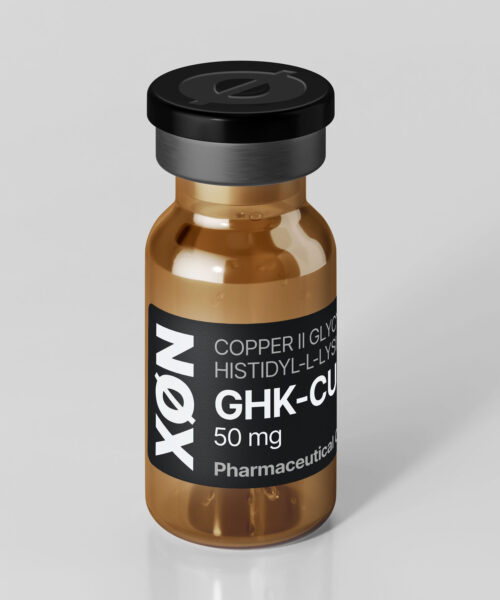
Topical peptides may support hydration, barrier function, or the appearance of fine lines, especially when included in a well-formulated moisturizer. Small studies of ingredients such as palmitoyl pentapeptide-4 and copper tripeptide-1 report cosmetic improvements, but independent, large-scale head-to-head research is limited.
Oral hydrolyzed collagen has somewhat broader trial data. Systematic reviews report modest improvements in hydration and elasticity after roughly 8–12 weeks, yet many studies are small or industry-funded. Benefits shouldn’t be confused with surgical lifting, or even the more predictable effects of sunscreen and retinoids.
If your budget is tight, prioritize broad-spectrum SPF 30+, moisturizer, and a proven retinoid before buying a deluxe peptide serum.
Muscle/strength and recovery: what’s proven vs hype
Protein provides amino acids needed for muscle repair, but that doesn’t mean every named peptide builds muscle. For most healthy adults, progressive resistance training, sufficient calories, sleep, and adequate dietary protein have far stronger evidence than peptide supplements marketed for “recovery optimization.”
Collagen is relatively low in leucine and isn’t a complete substitute for whey, dairy, soy, or another high-quality protein after training. It may complement, not replace, your normal protein intake.
Injectables such as CJC-1295, ipamorelin, or growth-hormone fragments are promoted in bodybuilding circles, yet evidence for meaningful, safe performance gains in healthy users is weak. Unapproved products also introduce dosing, contamination, and anti-doping risks.
Wound healing and tissue repair: where peptides may help
Several peptides influence inflammation, blood-vessel growth, or extracellular-matrix production in cell and animal studies. Copper peptides have been examined in skin repair, while BPC-157 is frequently marketed for tendon, muscle, and gastrointestinal healing.
Here’s the important split: mechanistic plausibility and rodent results are not proof of clinical benefit. BPC-157 lacks robust, published human trials establishing safety, effective dosing, or long-term outcomes. The FDA identifies BPC-157 among substances that may present significant safety risks in compounding.
For a stubborn injury, proper diagnosis and evidence-based rehabilitation beat self-injecting a vial with an impressive Reddit backstory.
Bone/joint and aging-related outcomes: what studies suggest
Trials of collagen peptides have reported small reductions in activity-related joint discomfort and possible changes in markers associated with bone formation. Some evidence suggests benefits when supplementation accompanies resistance or impact exercise, but optimal dose, duration, and target population remain uncertain.
Peptides aren’t a stand-alone treatment for osteoporosis or inflammatory arthritis. If you have declining bone density, proven strategies, including resistance exercise, adequate calcium and vitamin D, fall prevention, and prescription medication when indicated, carry more weight.
For everyday joint support, a collagen supplement may be a reasonable experiment after discussing allergies and medical conditions. Set a defined 8–12-week trial and stop paying for it if nothing changes.
Common Uses of Peptides (Skin, Fitness, and Medicine)
Peptides appear in three very different settings: cosmetics, performance culture, and regulated medicine. Confusing those worlds fuels much of the hype. A face cream is generally low stakes: an unapproved injectable is emphatically not “skincare, but pointier.”
Peptides in skincare routines: who they’re for, layering, and compatible ingredients
A peptide serum or cream may suit you if you want gentle hydration and gradual support for visible firmness, especially when retinoids or acids are too irritating. Options include The Ordinary Multi-Peptide + HA Serum and peptide products from Paula’s Choice or Medik8, though price doesn’t guarantee superior delivery.
A simple morning routine is:
- Gentle cleanser
- Peptide serum
- Moisturizer
- Broad-spectrum sunscreen
At night, apply peptides after cleansing and before heavier cream. Most coexist with niacinamide, hyaluronic acid, ceramides, and retinoids. Brand instructions sometimes advise separating specific copper-peptide formulas from strong direct acids or pure vitamin C: follow the actual formulation guidance rather than a universal internet rule.
Peptides for fitness: why many claims outpace clinical evidence
Fitness clinics may advertise peptides for fat loss, muscle gain, sleep, injury recovery, or growth-hormone release. Some compounds affect relevant biological pathways, but the leap from “raises a laboratory marker” to “improves your health and performance” can be enormous.
Watch for before-and-after photos paired with no controlled data, treatment bundles containing multiple compounds, or claims that something is safe because it’s “bioidentical.” Hormone-related peptides can affect glucose regulation, fluid retention, appetite, nerves, and tissue growth.
Competitive athletes face another issue: many growth factors, releasing factors, and related mimetics are prohibited under the World Anti-Doping Agency Prohibited List.
Peptide drugs in modern medicine: GLP-1s, insulin, oxytocin, antibiotics, and more
Peptide medicine isn’t fringe. Insulin transformed diabetes care. Oxytocin is used in obstetrics, vasopressin-related drugs treat specific fluid-balance disorders, and peptide analogs help manage endometriosis, certain cancers, osteoporosis, and other conditions.
GLP-1–based medications have become especially visible. Semaglutide and liraglutide mimic GLP-1 activity: tirzepatide targets GIP and GLP-1 receptors. They’re prescribed for defined indications and require screening and follow-up because gastrointestinal effects, gallbladder problems, pancreatitis concerns, and other risks matter.
Certain antimicrobial medicines, including vancomycin, are peptide or glycopeptide drugs. Their success doesn’t validate unrelated wellness injections, it demonstrates what happens when a specific molecule survives rigorous development.
Peptide Therapy, Supplements, and Injections: What to Know Before You Buy
“Peptide therapy” is a marketing umbrella, not a single medical specialty or assurance of effectiveness. Before spending money, identify the exact compound, indication, regulatory status, evidence, prescriber qualifications, and monitoring plan. If a clinic won’t answer those basics, keep your wallet, and bloodstream, closed.
Supplements vs injections vs topical: absorption, expected outcomes, and realistic timelines
| Route | What happens | Realistic expectation |
| Topical | Must remain stable and penetrate skin sufficiently | Subtle cosmetic change over 1–3 months |
| Oral supplement | Usually digested into smaller peptides and amino acids | Modest skin or joint effects after 8–12 weeks, if responsive |
| Injection | Bypasses digestion and creates systemic exposure | Drug-specific effects and risks: medical oversight needed |
Oral delivery works for a few specially formulated peptide drugs, but most peptides are vulnerable to digestive enzymes. Injection improves bioavailability: it doesn’t prove benefit or purity.
Give cosmetic products enough time for skin cycles to pass, photograph under consistent lighting, and change one variable at a time. Otherwise, you’ll never know whether the serum worked or Tuesday was simply a flattering-face day.
Quality checklist: third-party testing, labeling, dosing transparency, and contamination risks
For supplements, look for a complete ingredient list, allergen and animal-source disclosure, lot number, expiration date, and independent certification such as NSF Certified for Sport or USP verification where available. “Lab tested” means little without the laboratory, test scope, and lot-specific result.
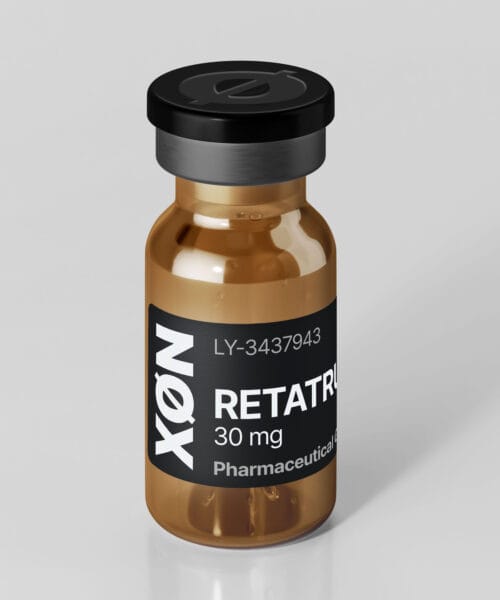
For prescriptions, use a licensed pharmacy and confirm storage requirements. Avoid sellers using disclaimers such as “research use only” while simultaneously providing human injection instructions.
Major red flags include:
- No exact dose or concentration
- Cryptocurrency-only payment or social-media ordering
- Claims to cure many unrelated conditions
- Missing sterile-compounding information
- No clinician evaluation or follow-up
- A vial labeled only with initials
Contamination, incorrect concentration, counterfeit ingredients, and loss of sterility can turn an uncertain therapy into an immediate hazard.
Are Peptides Safe? Side Effects, Interactions, and Red Flags
Some peptides have excellent safety records when used appropriately: others have barely been studied in people. Safety must be evaluated molecule by molecule. “Your body naturally makes peptides” is technically true but logically flimsy, your body also makes stomach acid, and you wouldn’t inject that after leg day.
Side effects by route (topical, oral, injectable) and when to stop
Topical products can cause redness, itching, burning, or allergic contact dermatitis, often because of preservatives or fragrances rather than the peptide itself. Patch-test on a small area and stop if irritation persists.
Oral collagen may cause fullness, unpleasant taste, or digestive upset. Check the source if you have fish, shellfish, beef, pork, or chicken allergies.
Injectables add systemic and procedural risks: nausea, headache, glucose changes, hormonal effects, injection-site reactions, infection, and contamination. Seek urgent help for breathing difficulty, facial swelling, fainting, severe abdominal pain, spreading redness, fever, or confusion. Don’t “push through” a serious reaction because a forum called it detoxing.
Who should avoid peptides (pregnancy/breastfeeding, cancer history, endocrine issues, athletes/WADA)
Avoid experimental peptides during pregnancy or breastfeeding: safety data are usually absent, and “no evidence of harm” isn’t evidence of safety. People with active or previous cancer, endocrine disorders, diabetes, kidney or liver disease, or complex medication regimens need clinician review, particularly for compounds affecting growth factors, appetite, or glucose.
Athletes should check every ingredient against current anti-doping rules and use certified supplements, while remembering certification reduces rather than eliminates risk.
Children and teenagers shouldn’t receive anti-aging or performance peptides from wellness clinics. Prescription peptides may be appropriate for diagnosed pediatric conditions, but that’s specialist care, not a DIY biohacking project.
Are peptides steroids? (clear comparison and common misconceptions)
No. Peptides are amino-acid chains: anabolic steroids are lipid-soluble compounds structurally related to testosterone. They differ chemically, enter cells differently, and act through different receptors.
That distinction doesn’t make all peptides harmless. Certain peptides stimulate growth-hormone pathways and may be used with steroid-like physique goals. They can still alter hormones, violate sporting rules, and cause systemic adverse effects.
| Feature | Peptides | Anabolic steroids |
| Structure | Amino-acid chains | Testosterone-related molecules |
| Typical signaling | Often cell-surface receptors | Mainly intracellular androgen receptors |
| Legal/medical status | Varies by compound | Prescription-controlled in the US |
| Risk-free? | No | No |
Different category, different mechanism, still deserving of careful scrutiny.
Peptides in Food: Natural Sources and What They Can (and Can’t) Do
Peptides occur naturally in food and also form during cooking, fermentation, processing, and digestion. Dairy, eggs, meat, fish, soy, legumes, and grains all provide parent proteins from which smaller sequences can be released.
This is normal nutrition, not covert peptide therapy. Food supplies amino acids and short fragments in a complex meal: it doesn’t reproduce the controlled exposure of an injected prescription drug.
Dietary proteins, digestion, and bioactive peptide formation
Your stomach and small intestine use acid and enzymes to break dietary proteins into amino acids and small peptides. Intestinal transporters absorb dipeptides and tripeptides efficiently, after which many are broken down further. Some food-derived sequences may retain biological activity long enough to influence digestion, blood pressure, immune signaling, or mineral absorption, but clinical significance varies.
Fermented dairy provides a useful example: microbial enzymes can release peptides with ACE-inhibitory activity. Results from functional-food studies are interesting but don’t justify replacing blood-pressure medication with yogurt.
For practical health, focus on varied protein sources rather than hunting one magical sequence. Eggs at breakfast, lentils at lunch, and salmon or tofu at dinner will do more for overall nutrition than a supplement label dressed like a chemistry exam.
Peptides FAQ
Peptide questions tend to collapse dozens of unrelated substances into one basket. These quick answers separate realistic expectations from the louder promises circulating on skincare feeds, fitness podcasts, and clinic advertisements.
Do peptides work for wrinkles and collagen production?
Some topical signal peptides may modestly improve hydration, texture, and fine-line appearance, but results depend on concentration, stability, delivery, and the complete formula. Oral collagen peptides also show small average improvements in skin hydration and elasticity in several reviews, typically after consistent use for weeks.
Neither option erases deep wrinkles. Daily sunscreen has better preventive value, while topical retinoids have stronger evidence for improving photoaging. Procedures such as laser resurfacing, microneedling, neuromodulators, or fillers produce different, and usually larger, changes, with different risks and costs.
Treat peptides as a supporting actor in your routine, not the caped hero arriving in slow motion.
How long do peptides take to work (skin vs supplements)?
Topical skincare peptides generally need four to 12 weeks before you can judge visible changes. Hydration may improve sooner if the formula also contains humectants such as glycerin or hyaluronic acid. Take baseline photos in the same room, at the same time, without changing five other products.
Oral collagen studies commonly evaluate outcomes after eight to 12 weeks, though joint-related trials may run longer. If you notice no meaningful benefit after a consistent three-month test, reconsider the expense.
Prescription timelines vary dramatically. Insulin can act within minutes: weight-management medications are titrated over months. Follow the medication-specific plan rather than applying cosmetic timelines to medical treatment.
What are the most common peptide names to know (collagen peptides, GLP-1s, BPC-157, sermorelin)?
- Collagen peptides: Hydrolyzed collagen fragments sold as oral powders or capsules: evidence suggests possible modest skin and joint benefits.
- GLP-1 receptor agonists: Prescription medicines such as semaglutide and liraglutide used for specific diabetes or weight-management indications. Tirzepatide also targets GIP receptors.
- BPC-157: An experimental peptide promoted for injury and gut repair. Compelling online claims greatly exceed reliable human evidence, and it isn’t FDA-approved.
- Sermorelin: An analog of growth hormone–releasing hormone that stimulates growth-hormone release. Its historical FDA-approved product was discontinued: compounded use requires careful medical scrutiny and isn’t a general anti-aging solution.
The bottom line: peptides include useful skincare ingredients, potentially helpful supplements, experimental compounds, and essential medicines. Don’t judge them as one group. Check the exact molecule, evidence, route, regulatory status, and product quality. For skincare, keep expectations modest. For supplements, run a time-limited experiment. For injections or hormone-related peptide therapy, use a qualified clinician and licensed pharmacy, never a mystery vendor with a dramatic logo and zero accountability.