Description
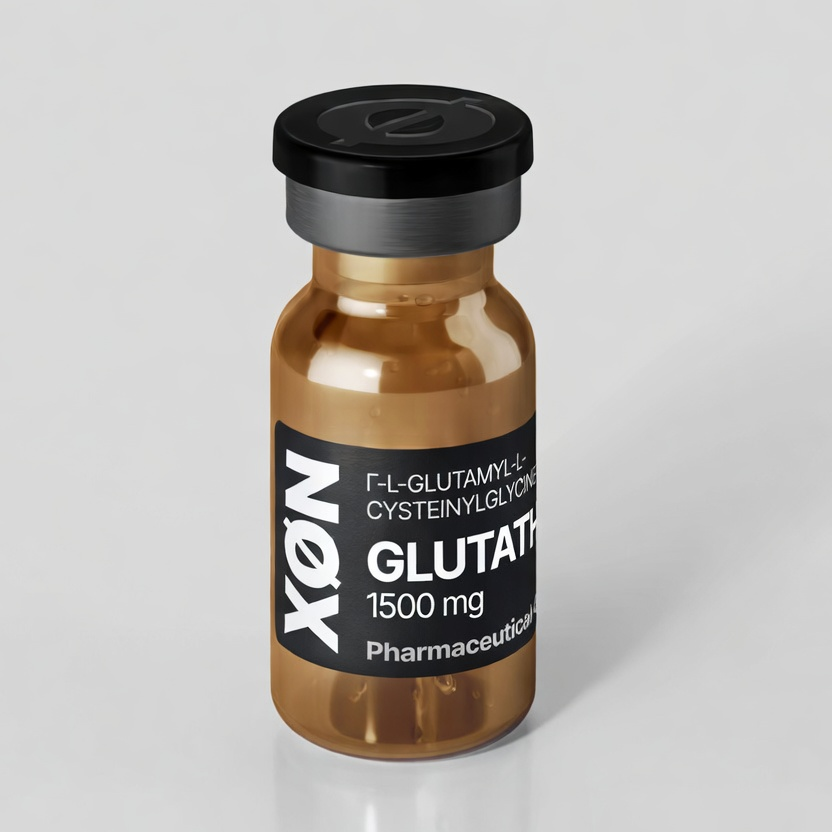
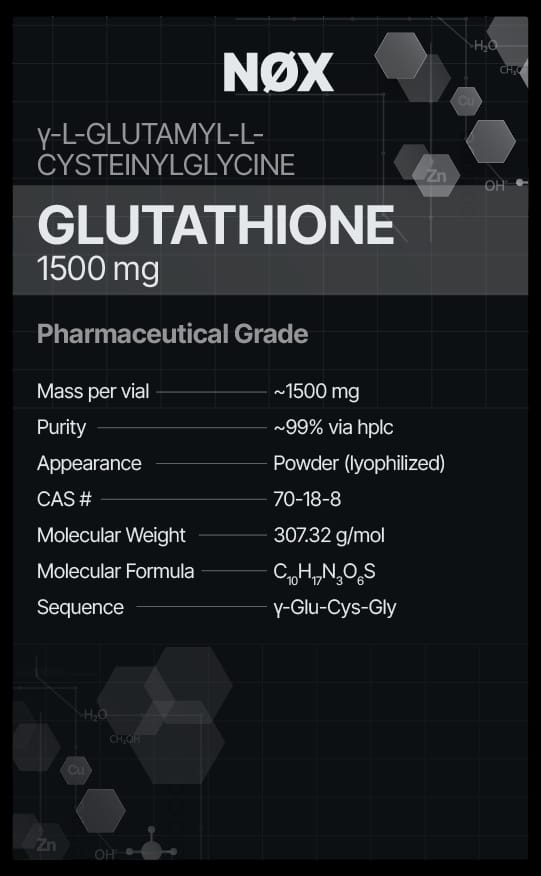
Glutathione (GSH) is a tripeptide composed of glutamate, cysteine, and glycine, often called the body’s ‘master antioxidant.’ Found in virtually every cell, it plays critical roles in neutralizing free radicals, detoxifying harmful substances, recycling other antioxidants (vitamins C and E), and supporting immune function. Glutathione levels decline with age and are depleted by stress, toxins, and certain diseases. Injectable forms bypass poor oral bioavailability to deliver glutathione directly to tissues.
Key Benefits:
Direct delivery bypasses poor oral bioavailability. Rapidly increases plasma glutathione levels. Supports detoxification, immune function, and antioxidant defense systems.
How it Works (Mechanism):
Glutathione directly neutralizes reactive oxygen species via its sulfhydryl group, conjugates toxins for excretion (Phase II detoxification), recycles vitamins C and E, and supports optimal lymphocyte function. The tripeptide’s unique gamma peptide bond protects it from degradation by most peptidases.
Antioxidant Support:
Master Antioxidant Function
Glutathione is the body’s primary intracellular antioxidant. Its sulfhydryl group donates electrons to neutralize free radicals and reactive oxygen species before they damage cells.
Antioxidant Recycling
Regenerates oxidized vitamins C and E back to their active forms, extending their protective capacity through the glutathione-ascorbate cycle.
Cellular Redox Balance
Maintains optimal GSH/GSSG ratio (typically >100:1 in healthy cells). This ratio is a key indicator of cellular health and oxidative stress status.
Detoxification:
Phase II Liver Detoxification
Glutathione S-transferase enzymes conjugate GSH to toxins, drugs, and xenobiotics, converting them to water-soluble compounds for excretion via bile and urine.
Heavy Metal Binding
Sulfhydryl group binds toxic heavy metals including mercury, cadmium, lead, and arsenic, facilitating their safe elimination from the body.
Acetaminophen Detoxification
Detoxifies NAPQI, the hepatotoxic metabolite of acetaminophen. Glutathione depletion from overdose leads to liver failure; NAC restores GSH for treatment.
Immune Function:
T-Cell Support
Essential for T-lymphocyte proliferation and function. GSH-deficient T cells cannot properly expand or mount effective immune responses.
NK Cell Activity
Some research shows up to 400% increase in natural killer cell activity with IV glutathione therapy, though results vary between studies.
Macrophage Function
Modulates macrophage activation, cytokine release, and proper redox activity critical for pathogen elimination.
Neurological Health:
Parkinson’s Disease Research
GSH is depleted 40% in the substantia nigra of PD patients. Clinical trials of IV and intranasal glutathione show potential symptom improvement, though evidence remains preliminary.
Neuroprotection
Protects neurons from oxidative damage. Low glutathione is associated with neurodegenerative conditions including Alzheimer’s disease and mild cognitive impairment.
Blood-Brain Barrier
Intranasal administration has been shown to increase brain glutathione levels, potentially overcoming the blood-brain barrier limitation of IV delivery.
Skin Health:
Skin Lightening Effects
Inhibits tyrosinase enzyme and shifts melanin production from eumelanin (dark) to pheomelanin (lighter). Evidence from RCTs is limited and effects are modest.
Antioxidant Skin Protection
Protects skin from UV-induced oxidative damage. May support overall skin health through reduced oxidative stress rather than direct lightening effects.
Important Caution
IV glutathione for skin lightening carries serious safety concerns including hepatotoxicity and anaphylaxis. Philippine FDA has issued warnings against this use.
Lyophilized (freeze-dried) peptides should be stored in a refrigerator at 2–8°C (36–46°F). For long-term storage, they should be kept in a freezer at -20°C (-4°F) or below. Once reconstituted, peptides must be stored in a refrigerator at 2–8°C (36–46°F) and should not be left at room temperature for extended periods.
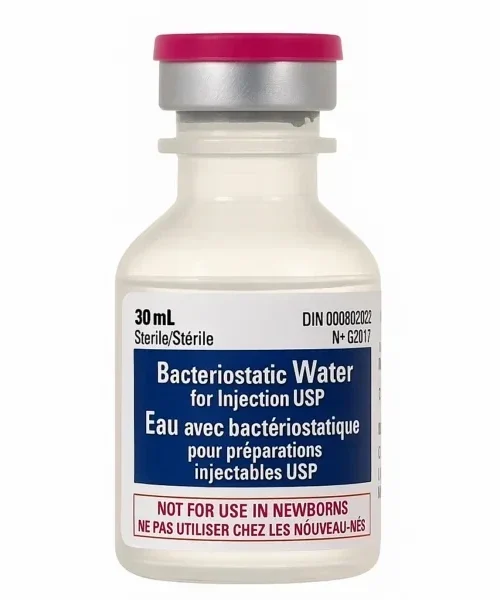
Add 7.5mL of bacteriostatic water to get a solution that is 200mg/mL, such that every 0.1mL (10 units on an insulin syringe) is equal to 20mg of Glutathione.













There are no reviews yet.