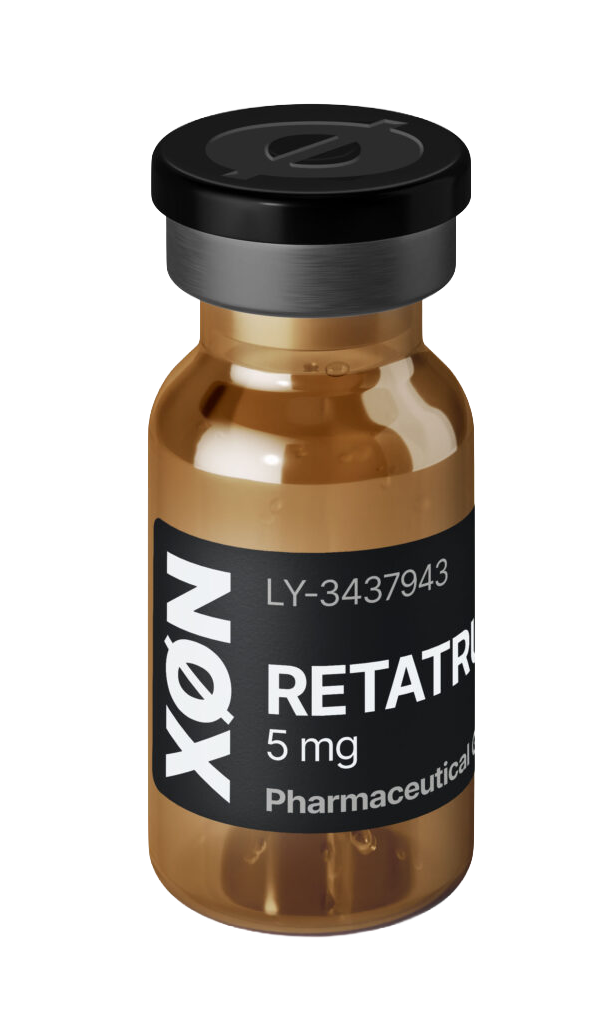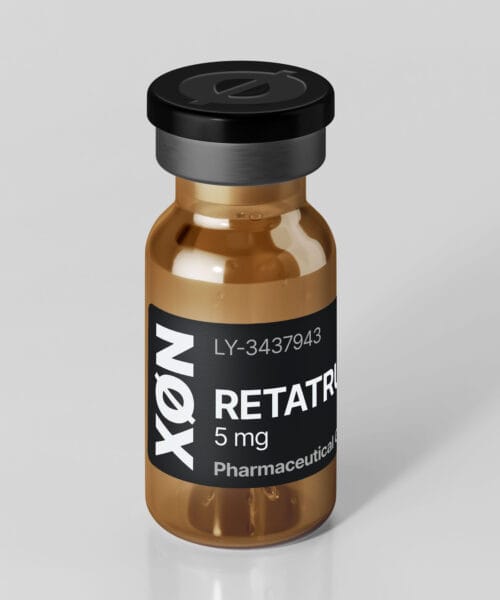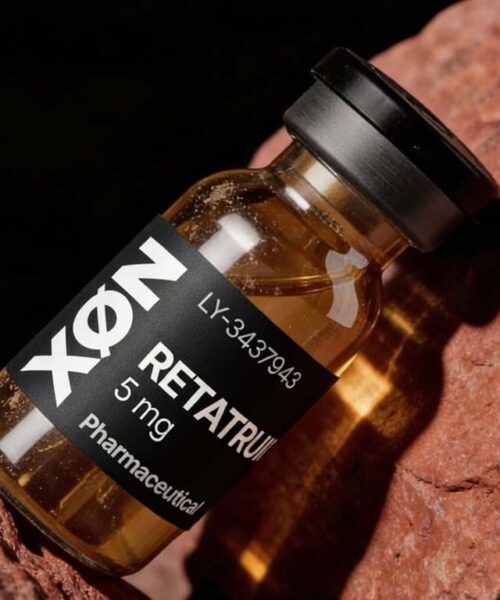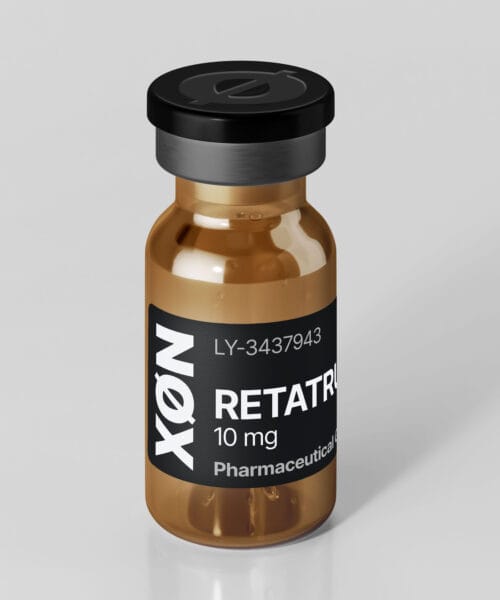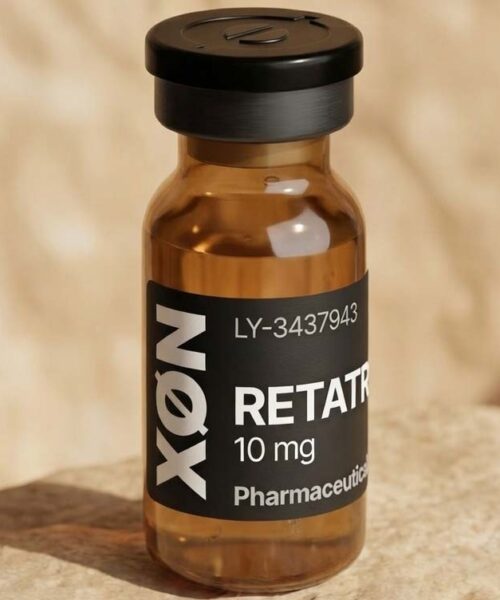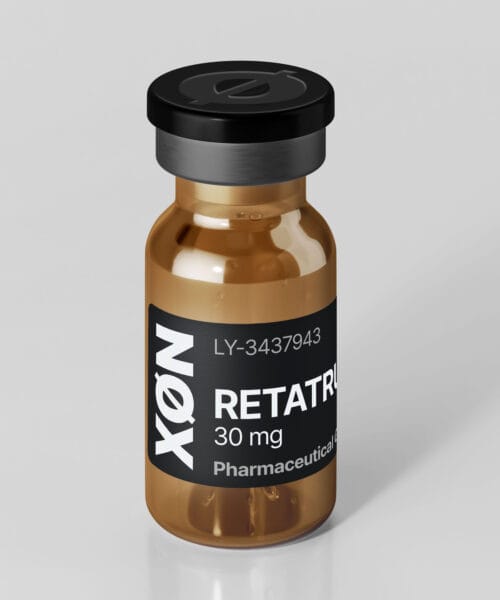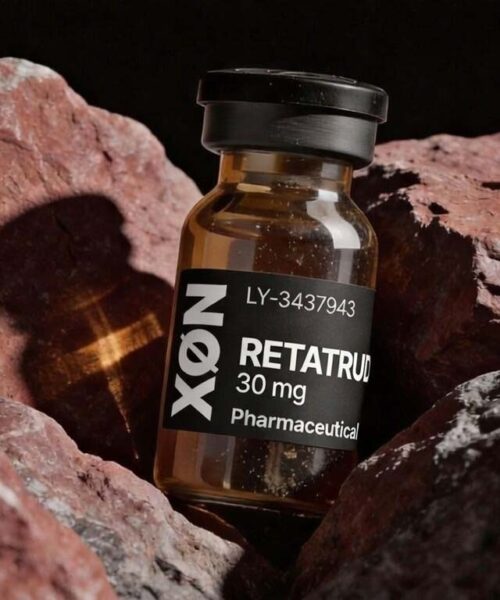


Retatrutide has generated the sort of buzz normally reserved for a new iPhone or a playoff run. Early trial results suggest substantial weight loss, and Canadian websites already advertise vials bearing its name. There’s just one rather important catch: retatrutide is still an investigational drug, not an authorized prescription treatment in Canada.
That distinction shapes everything, from whether a product can legally be sold for human use to what a certificate of analysis actually proves. An attractive vial, a purity percentage, and a maple leaf in the website footer don’t transform a research chemical into pharmacy-grade medication.
This Retatrutide Canada review examines the current regulatory position, clinical evidence, safety concerns, costs, storage basics, and realistic access routes. It is an informational review, not an endorsement of self-injection or individualized medical advice. Because development and regulatory decisions can change, confirm the latest status through Health Canada’s Drug Product Database and the manufacturer’s published trial information.
If you’re considering retatrutide because other approaches haven’t worked, your interest is understandable. You deserve evidence-based options, not judgment. But you also deserve to know where promising science ends and online marketing begins. Let’s draw that line clearly.
Key Takeaways
- Retatrutide is an investigational triple agonist drug in Canada, not yet authorized for prescription use or sale as a treatment for obesity.
- Health Canada has not approved retatrutide, meaning it lacks official safety, efficacy, and quality assessments required for routine clinical use.
- Unauthorized retatrutide products labeled “for research use only” are not safe or legally approved for human injection and may carry contamination and dosing risks.
- Clinical trials show promising weight loss results for retatrutide, but long-term effects, safety, and official indications remain uncertain pending further study.
- The only safe way for Canadians to access retatrutide is through authorized clinical trials or discussions with qualified clinicians about approved alternatives.
- Buyers should be cautious of online vendors; verifying batch numbers, certificates of analysis, and regulatory status is critical to avoid counterfeit or unsafe products.
Retatrutide Canada: Current Status and What Canadians Can (and Can’t) Do Today
Retatrutide is being developed by Eli Lilly as a once-weekly investigational medicine for obesity and related metabolic conditions. It isn’t currently an ordinary treatment your Canadian clinician can prescribe and your neighborhood pharmacy can dispense.
That doesn’t mean the molecule is imaginary or that the research is weak. It means regulators haven’t completed the benefit-risk review required for routine public use. Online availability is a commercial reality, but it should never be confused with authorization.
Is retatrutide approved by Health Canada? (What “not authorized” means)
As of September 2026, retatrutide has not received Health Canada market authorization. It hence has no approved Canadian product monograph, official indication, authorized dosing schedule, or regulator-reviewed commercial manufacturing system.
“Not authorized” doesn’t simply mean prescription required. It means Health Canada hasn’t concluded that a retail retatrutide product meets its standards for safety, effectiveness, quality, and consistent manufacturing. A future approval is possible, but positive studies don’t guarantee approval, or establish when it might happen.
Prescription vs “research use only” products: key differences and risks
An authorized prescription medicine is manufactured under regulated controls, dispensed through licensed channels, labeled for patients, and supported by formal adverse-event monitoring. A “research use only” reagent is intended for laboratory work, not diagnosis, treatment, or self-administration.
| Feature | Authorized prescription drug | Research reagent |
| Intended user | Patient under clinical care | Qualified laboratory |
| Human-use instructions | Regulator reviewed | Usually absent or disclaimed |
| Sterility assurance | Required for injectables | Not established by purity alone |
| Dose consistency | Controlled and validated | May vary between batches |
| Medical oversight | Prescriber and pharmacist | None built into purchase |
Calling a vial “research grade” is not a quirky substitute for a prescription label. It signals a fundamentally different product category.
What Is Retatrutide and Why It’s Different (Triple Agonist Explained)
Retatrutide is a peptide-based investigational drug designed to activate three hormone receptors involved in appetite, glucose regulation, and energy balance. That three-part mechanism is why you’ll often hear it called a triple agonist.
It’s scientifically interesting, but “more receptors” doesn’t automatically mean “better for everyone.” Greater biological activity may improve outcomes while also complicating tolerability, dose selection, and long-term risk assessment.
Mechanism overview: GLP-1 + GIP + glucagon receptor activity
Retatrutide combines activity at:
- GLP-1 receptors, associated with appetite reduction, slower gastric emptying, and glucose-dependent insulin secretion.
- GIP receptors, which also influence insulin response and energy metabolism.
- Glucagon receptors, potentially increasing energy expenditure and affecting liver metabolism.
Think of it less like pressing one weight-management button and more like adjusting three linked dials. Researchers are studying whether the glucagon component contributes additional fat loss and metabolic benefit without creating unacceptable tradeoffs.
How it compares to semaglutide and tirzepatide (expected benefits and tradeoffs)
Semaglutide, used in products such as Wegovy and Ozempic, primarily activates GLP-1 receptors. Tirzepatide, sold as Mounjaro and, where authorized, Zepbound, targets GLP-1 and GIP receptors. Retatrutide adds glucagon receptor activity.
| Molecule | Receptor activity | Canadian position |
| Semaglutide | GLP-1 | Authorized products exist for specific indications |
| Tirzepatide | GIP + GLP-1 | Authorized products exist: indications vary |
| Retatrutide | GIP + GLP-1 + glucagon | Investigational, not authorized |
Early retatrutide results look competitive, but cross-trial comparisons are imperfect. Different participants, protocols, treatment durations, and dropout rates can make a “winner” graphic on social media deeply misleading.
Clinical Evidence Snapshot: Weight Loss and Metabolic Outcomes
Retatrutide’s reputation rests mainly on controlled clinical trials, not on testimonials, before-and-after photographs, or influencer spreadsheets. That distinction matters. Randomized trials can measure average effects and documented harms under supervision: anonymous online reports can’t establish what was actually injected.
The evidence is genuinely promising. It is also incomplete, especially about long-term maintenance, uncommon adverse events, and routine use outside tightly monitored studies.
Phase 2 obesity results (what was studied, headline outcomes, limitations)
A 48-week phase 2 trial published in The New England Journal of Medicine enrolled 338 adults with obesity or overweight plus a weight-related condition, excluding diabetes. Participants receiving the highest studied maintenance dose lost an average of approximately 24% of baseline body weight at 48 weeks, compared with roughly 2% for placebo.¹
That headline is impressive, but it isn’t a personal forecast. The study was relatively short, groups were modest in size, and gastrointestinal side effects were common. Participants also received structured monitoring and carefully controlled study medication, conditions an online vial can’t reproduce.
Phase 3 program (what’s known publicly, what’s still uncertain)
Lilly’s phase 3 TRIUMPH program is evaluating retatrutide across obesity, type 2 diabetes, obstructive sleep apnea, osteoarthritis, cardiovascular and kidney-related outcomes, and other complications. Trial status and participating locations can be checked through ClinicalTrials.gov and Lilly’s trial registry.
Phase 3 studies should clarify durability, tolerability, cardiovascular effects, treatment discontinuation, and outcomes in broader populations. Unknowns remain: final indications, approved doses, Canadian submission timing, pricing, coverage, and how weight changes after treatment stops. Until results and regulatory reviews are complete, certainty is premature.
Health Canada & Safety Warnings: What Official Guidance Says About Online Peptides
Health Canada warns consumers against unauthorized health products because they may contain incorrect ingredients, dangerous contaminants, or undisclosed prescription substances. The agency can issue recalls, seize products, request border detention, or publish public advisories when risks emerge.
You can search the Health Product Recall and Safety Alerts database and report suspected problems through MedEffect Canada. Keep packaging, receipts, batch details, and photographs if you believe you received a questionable product.
Common harms from unauthorized injectables (contamination, mislabeling, dosing errors)
Injectables bypass many of the body’s natural defenses. Potential failures include:
- Bacterial or fungal contamination
- Endotoxins capable of triggering fever or severe inflammatory reactions
- Incorrect peptide identity or concentration
- Particulates from manufacturing or handling
- Residual solvents and synthesis by-products
- Dosing errors caused by ambiguous labels or variable vial fill
A product can test “99% pure” by one analytical method and still be nonsterile. Purity describes the material detected under specified conditions: it does not prove injectable safety, correct concentration, or freedom from endotoxins.
Red flags: “For research use only” labeling, social media claims, unrealistic timelines
Treat these signals as reasons to step back:
- The seller provides human dosing advice while disclaiming human use.
- Every review is glowing, vague, and posted within a narrow date range.
- Marketing promises “guaranteed” weight loss in days.
- Payment is limited to cryptocurrency or irreversible transfer.
- The COA lacks a traceable laboratory, test date, methods, or matching batch number.
- Support occurs mainly through Telegram, WhatsApp, or disappearing messages.
And no, “biohacker tested” isn’t a recognized quality standard, memorable branding, perhaps, but not microbiology.
How Canadians Access Retatrutide: Realistic Pathways
For Canadians, the credible human-access route is participation in an authorized clinical trial. Other exceptional access mechanisms are controlled by law and medical eligibility: they aren’t retail workarounds. A physician can’t simply write an ordinary prescription for an unapproved product and make every regulatory issue disappear.
The safest immediate alternative is discussing authorized obesity treatments with a qualified clinician while monitoring retatrutide’s development.
Clinical trials in Canada: eligibility, how to find recruiting sites, questions to ask
Search the Health Canada Clinical Trials Database, ClinicalTrials.gov, or Lilly’s official clinical-trial pages. Filter by “recruiting,” retatrutide, and Canadian location.
Ask the study team:
- What are the BMI, diagnosis, medication, and age criteria?
- Is there a placebo or active comparator?
- How frequent are visits, blood tests, and imaging?
- Are travel costs reimbursed?
- What care is available for adverse effects?
- What happens when the trial ends?
Never pay a recruiter for guaranteed placement. Legitimate enrollment depends on screening and informed consent.
Research reagent market: what vendors claim vs what buyers should verify
Canadian peptide vendors commonly advertise domestic fulfillment, third-party testing, high purity, and discreet shipping. Those claims describe commercial convenience, not authorization for injection.
Nox Peptides is one Canadian research-peptide seller sometimes promoted online as the “best place to buy peptides online in Canada.” That superlative is a marketing claim, not one independently established here, and it shouldn’t be interpreted as an endorsement of retatrutide for human use. If you’re sourcing legitimate laboratory reagents, verify the business identity, batch documentation, test laboratory, research-use terms, and complaint procedures rather than relying on rankings or testimonials.
Cross-border considerations: customs, seizure risk, and why pharmacy sourcing matters
Importing an unauthorized drug can lead to detention, refusal, return, or seizure at the border. Personal-importation policies are fact-specific and don’t provide a blanket right to order unapproved injectable products from abroad. A parcel clearing customs also doesn’t certify its contents.
Licensed Canadian pharmacies offer regulatory accountability, pharmacist review, controlled sourcing, and recourse if something goes wrong. Confirm a pharmacy through the relevant provincial college and Health Canada’s guidance on buying drugs online. A polished “Canadian” website may actually ship from another continent.
Quality Verification Checklist (COA, Batch Testing, and Documentation)
Quality records matter in laboratory procurement, but paperwork can be incomplete, reused, edited, or fabricated. A certificate of analysis, usually shortened to COA, reports selected results for a specific sample. It isn’t a universal safety certificate.
For human treatment, even a convincing COA cannot replace regulatory authorization, validated manufacturing, sterile fill-finish controls, clinical oversight, and a licensed pharmacy supply chain.
What a credible COA should include (batch ID, methods, dates, lab, signatures)
A useful COA should identify:
- Product name and unique batch or lot number
- Sample receipt and testing dates
- Report issuance date
- Exact analytical methods
- Numerical results and specifications
- Laboratory name, address, and contact information
- Authorized reviewer or digital signature
- Report number and supporting chromatograms or spectra
Check whether the laboratory is independent of the seller and accredited for the relevant method. Accreditation helps assess competence, but it doesn’t magically broaden a narrow test panel.
Testing that matters: identity, purity, endotoxins, sterility, residual solvents
Different tests answer different questions:
| Test | What it helps assess | What it doesn’t prove alone |
| Mass spectrometry | Molecular identity/mass | Sterility or concentration |
| HPLC/UPLC | Purity and related compounds | Absence of microbes |
| Endotoxin assay | Bacterial endotoxin level | Sterility |
| Sterility test | Detectable microbial growth | Chemical identity |
| Residual-solvent analysis | Solvents left from synthesis | Dose accuracy |
For research procurement, you may also need peptide content, water content, counterion analysis, bioburden, and stability data. A single HPLC purity result is the beginning of due diligence, not the finish line.
Batch verification workflow: how to match vial label to COA and avoid reused COAs
Use this five-step check for legitimate laboratory purchasing:
- Record the vial’s product name, batch number, and stated quantity.
- Match every character to the COA, watch for altered suffixes or dates.
- Request the original report directly from the laboratory, using independently found contact details.
- Compare chromatograms, report numbers, and testing dates across seller listings.
- Quarantine the material if the seller can’t resolve discrepancies.
Repeated COAs attached to supposedly new batches are a major warning sign. Independent retesting of a representative sealed vial offers stronger evidence than seller-supplied paperwork, though it still doesn’t authorize human use.
Storage, Handling, and Shipping in Canada (Stability Basics)
Peptides can degrade through heat, moisture, light, oxidation, agitation, and repeated temperature changes. Yet retatrutide sold online doesn’t have an approved Canadian monograph defining retail storage conditions or an official patient-use shelf life.
That means generic forum advice, “just put it in the fridge”, may create false confidence. Follow the documented protocol supplied by an authorized clinical trial or, for laboratory material, validated stability instructions tied to that exact formulation.
Lyophilized vial storage vs reconstituted solution storage (temperature, light, time)
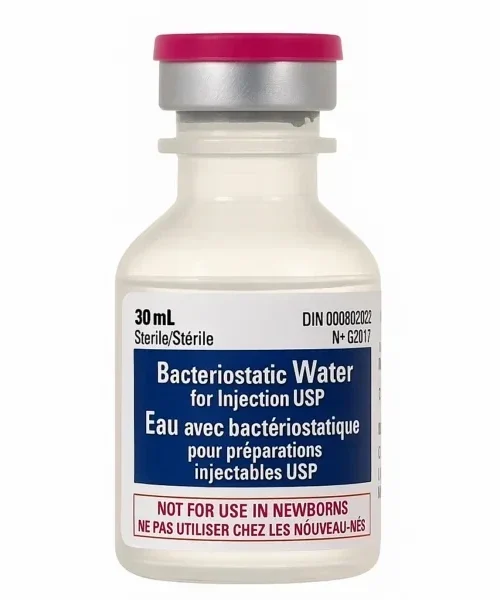
Lyophilized material is freeze-dried and is generally more stable than peptide dissolved in liquid, but stability depends on formulation, container integrity, moisture, and validated storage data. Reconstituted solutions may be more vulnerable to degradation and microbial growth.
Don’t infer a use-by period from another peptide such as semaglutide. Avoid repeated freeze-thaw cycles, direct light, uncontrolled countertop storage, and casual handling. If a trial participant receives retatrutide, the study team’s instructions take priority. Unexplained cloudiness, particles, leaks, or damaged seals should be reported, not “fixed” with a vigorous shake.
Shipping expectations in Canada: processing times, cold-chain claims, delivery risks
Canadian weather is not subtle. A parcel may sit in a Vancouver heat wave, an Ontario depot, or a Prairie cold snap. Ask laboratory suppliers for dispatch time, carrier tracking, packaging specifications, excursion limits, and written procedures for delayed deliveries.
A gel pack isn’t proof of a validated cold chain. Proper temperature-controlled shipping uses qualified packaging and, when required, calibrated monitors with documented acceptance limits. Photograph damaged packaging and record delivery conditions immediately. For authorized medicines, contact the dispensing pharmacy before using anything exposed to a suspected temperature excursion.
Side Effects, Contraindications, and When to Seek Medical Help
Clinical-trial participants have reported adverse effects broadly consistent with incretin-based therapies, particularly gastrointestinal symptoms. But, retatrutide’s final Canadian contraindications and warnings can’t be stated as settled because there is no approved product monograph.
Your medical history matters. Tell a clinician about diabetes medication, previous pancreatitis, gallbladder disease, severe gastrointestinal problems, kidney disease, pregnancy plans, and personal or family endocrine tumor history before discussing any incretin-based treatment.
Common GI effects and mitigation strategies (diet, hydration, titration with clinician)
Nausea, diarrhea, vomiting, constipation, and reduced appetite were common in trials, particularly during dose escalation. Clinician-guided measures may include slower titration, smaller meals, adequate fluids, avoiding very rich or greasy foods, and reviewing medications that worsen symptoms.
Don’t copy a stranger’s titration calendar. Study doses were administered under protocol, using known formulations and scheduled monitoring. Persistent vomiting can cause dehydration and kidney injury: extreme appetite suppression isn’t a gold medal if you can’t maintain nutrition. Contact your care team if symptoms are severe, prolonged, or escalating.
Serious risks to understand (pancreatitis symptoms, gallbladder issues, hypoglycemia with other meds)
Seek urgent medical assessment for severe or persistent upper abdominal pain, especially pain radiating to the back, with or without vomiting. Yellow skin, fever, pale stool, or intense right-upper-abdominal pain may indicate gallbladder or liver-related trouble.
Low blood sugar risk may increase when an incretin-based therapy is combined with insulin or sulfonylureas. Confusion, sweating, shaking, weakness, and loss of consciousness require prompt action according to your diabetes plan. Call emergency services for breathing difficulty, facial or throat swelling, fainting, severe dehydration, or altered consciousness. Don’t wait for an online vendor to answer a support ticket.
Cost & Availability in Canada: What Drives Pricing and Supply
There is no official Canadian retail price for retatrutide because no authorized retail product exists. Online prices represent research-reagent markets with varying quantities, documentation, testing, and seller margins. Comparing those listings with pharmacy prices for authorized obesity medicines is an apples-to-unlabeled-vials comparison.
Future prescription cost will depend on approved indications, dose formats, manufacturer pricing, provincial and private coverage, dispensing fees, and patient-assistance arrangements.
Typical cost components (testing, domestic stocking, shipping, wastage, supplies)
Research-peptide pricing may reflect synthesis, purification, lyophilization, analytical testing, packaging, domestic inventory, shipping, and merchant risk. Independent identity, purity, endotoxin, and sterility testing can cost far more than a bargain vial, especially when performed by accredited laboratories.
Human use also creates potential costs that a sticker price hides: clinical appointments, laboratory monitoring, injection supplies, sharps disposal, missed work, and treatment for complications. Don’t build a budget around a seller’s vial price while ignoring the healthcare ecosystem an authorized prescription normally provides.
Why “cheap” can be expensive: hidden risks and downstream medical costs
A deeply discounted vial could be underfilled, degraded, substituted, contaminated, or attached to recycled paperwork. You may pay twice, first for the product, then for independent testing or replacement. In the worst case, emergency care becomes the largest line item.
Use a simple rule: if the product requires you to trust an anonymous seller more than a prescriber, pharmacist, regulator, and testing laboratory combined, the low price isn’t efficiency. It’s risk being transferred to you. For weight management today, ask a clinician about authorized options, insurance criteria, and evidence-based support programs.
Retatrutide FAQ (Canada-Focused)
The questions below address the practical grey areas Canadians encounter online. Regulations can depend on how a product is represented, imported, sold, and used, so obtain current advice from Health Canada or a qualified Canadian lawyer when a decision carries legal consequences.
Is it legal to buy retatrutide in Canada online?
Retatrutide isn’t authorized as a Canadian therapeutic product. Selling or advertising an unauthorized product for human treatment can violate federal health-product rules, while importation may trigger border action. A “research use only” sale for legitimate laboratory work is not equivalent to lawful patient access.
The safest answer is practical rather than clever: don’t buy online retatrutide for self-injection. Use an authorized clinical trial or discuss approved alternatives with your clinician. If a seller provides dosing instructions while hiding behind research labeling, that contradiction should stop you cold.
Do Canadian suppliers ship within provinces (ON/BC/AB, etc.) and what varies?
Some research suppliers advertise domestic delivery to Ontario, British Columbia, Alberta, Quebec, and other provinces. Availability may vary by stock location, carrier, weather, remote-area service, provincial requirements, and the seller’s own policies.
Domestic shipping does not establish Health Canada authorization, pharmaceutical quality, or suitability for human use. Verify the actual dispatch location, legal business identity, return policy, tracking, temperature controls, and research credentials. Quebec buyers should also check whether required consumer information and support are available in French.
What is a batch number and how do I verify it?
A batch, or lot, number links a vial to a defined manufacturing run and its associated records. It should match the COA, container label, test report, invoice, and any stability documentation exactly.
For legitimate research, verify the report directly with the named laboratory, inspect methods and dates, and consider independent testing from an unopened vial. If the seller refuses traceability questions, don’t rationalize it because the website looks sleek.
The bottom line for Retatrutide Canada searches is straightforward: the science is exciting, but routine Canadian access hasn’t arrived. Follow phase 3 results, check Health Canada’s databases, and bring your goals to a licensed clinician. Waiting for regulated access may feel frustrating: treating an unverified injectable as a shortcut can create a much longer detour.