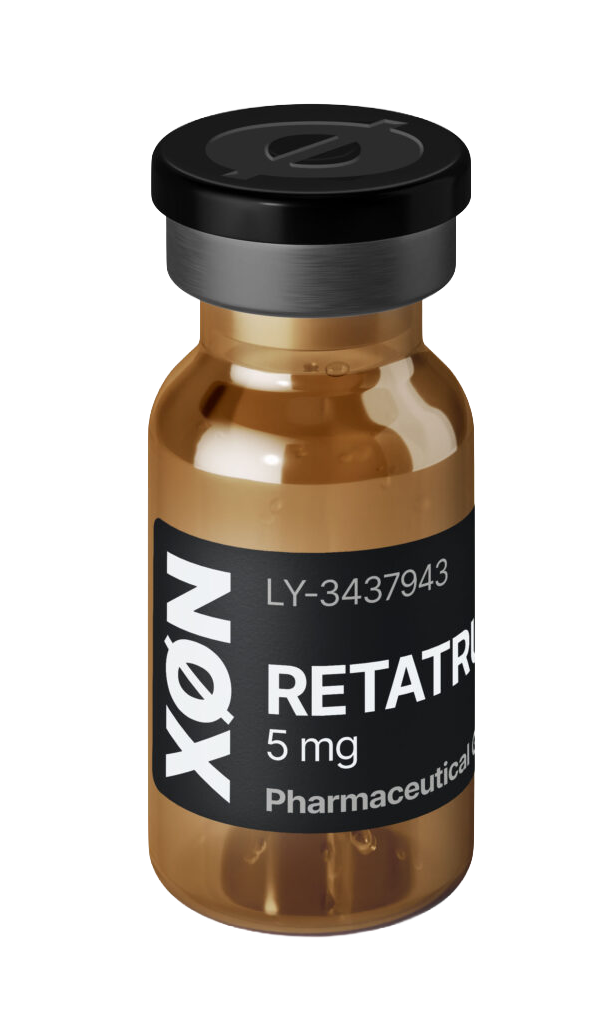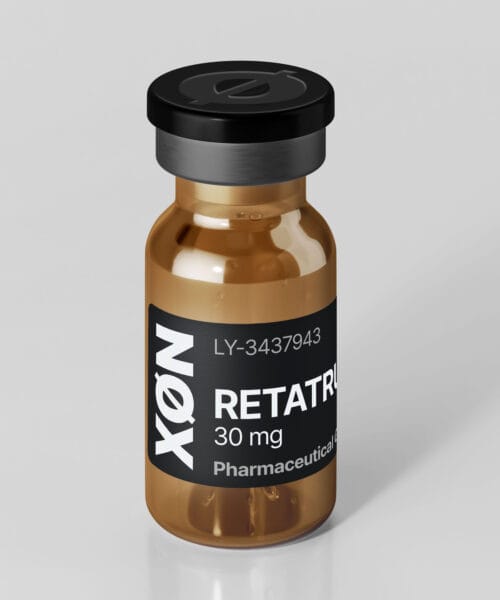


Retatrutide has generated enormous interest for one headline-grabbing reason: in a Phase 2 obesity trial, participants receiving the highest studied dose lost an average of roughly 24% of their body weight over 48 weeks. That approaches results historically associated with bariatric surgery, but it came from a controlled trial, not routine clinical care.
Developed by Eli Lilly, retatrutide is a once-weekly injectable medicine designed to activate three metabolic hormone receptors: GLP-1, GIP, and glucagon. That “triple agonist” design separates it from semaglutide and tirzepatide. It may affect appetite, blood glucose, and energy expenditure simultaneously, although researchers are still working out how much each pathway contributes.
Here’s the important reality check: retatrutide is investigational and not FDA-approved as of September 2026. Phase 3 studies are evaluating its effectiveness, cardiovascular safety, and longer-term risks. Products marketed online as compounded or “research-grade” retatrutide haven’t been reviewed as approved medicines, and their identity, purity, and dose may be uncertain.
This retatrutide review examines published clinical evidence, trial dosing, side effects, eligibility, and comparisons with established treatments. It doesn’t provide a personal diagnosis or dosing plan. If you’re considering medical weight management, use this information to prepare better questions for a licensed clinician, not to turn yourself into a one-person clinical trial.
Key Takeaways
- Retatrutide is an investigational triple agonist medication targeting GLP-1, GIP, and glucagon receptors, showing promising weight loss results of up to 24.2% after 48 weeks in Phase 2 obesity trials.
- Despite impressive trial outcomes, retatrutide is not FDA-approved as of 2026 and is only accessible through clinical research, emphasizing the importance of avoiding unverified online products.
- The medication’s unique activation of three metabolic pathways may enhance appetite suppression, glucose control, and energy expenditure, but longer-term safety and cardiovascular effects remain under study.
- Side effects commonly include gastrointestinal symptoms like nausea and diarrhea, with tolerability improved through gradual dose escalation under clinical supervision.
- Retatrutide should not be combined independently with other anti-obesity drugs or used outside clinical trials due to unknown interactions and safety profiles.
- Patients interested in retatrutide should consult licensed clinicians for approved treatments or clinical trial enrollment, avoiding unofficial sources to ensure safety and authenticity.
What Is Retatrutide?
Retatrutide, formerly identified as LY3437943, is an experimental medication developed primarily for obesity and related metabolic conditions. It belongs to a growing family of medicines that imitate naturally occurring hormones involved in hunger, digestion, insulin secretion, and energy balance.
Unlike semaglutide, which targets GLP-1 receptors, or tirzepatide, which targets GLP-1 and GIP receptors, retatrutide activates three receptors:
- Glucagon-like peptide-1, or GLP-1
- Glucose-dependent insulinotropic polypeptide, or GIP
- Glucagon
It’s administered by subcutaneous injection in clinical trials, generally once weekly. Researchers have studied several strengths with gradual dose escalation.
You may hear it called a “triple G” medication, although that nickname can make a complicated investigational therapy sound a bit like a new phone network. Its potential advantage is broader metabolic activity. Its disadvantage is equally straightforward: more biological pathways can also introduce effects that need careful study.
Retatrutide isn’t simply a stronger version of Ozempic or Mounjaro. It’s a separate molecular treatment with its own dosing, evidence, and unresolved safety questions.
How Retatrutide Works (GLP-1 + GIP + Glucagon Receptors)
Retatrutide combines three hormonal signals in one molecule. GLP-1 receptor activation reduces appetite, improves glucose-dependent insulin release, slows gastric emptying, and may help you feel satisfied with smaller portions. GIP activation also supports insulin secretion and may influence how fat tissue processes energy.
The glucagon component is the unusual part. Glucagon normally signals the liver to release stored glucose, seemingly an odd choice for a metabolic treatment. But receptor effects depend on dose, context, and the molecule’s balance of activity. Combined with GLP-1 and GIP signaling, glucagon activation may increase energy use while the other pathways help control appetite and glucose.
This is a coordinated pharmacologic effect, not three separate drugs mixed into one syringe.
– Why adding glucagon may change fat loss, appetite, and energy expenditure
Calorie restriction usually prompts your body to defend its weight by increasing hunger and reducing energy expenditure. Researchers hope glucagon receptor activation can partly counter that metabolic slowdown.
Preclinical work suggests glucagon signaling may increase fat oxidation and energy expenditure. Meanwhile, GLP-1 and GIP activity can reduce food intake and soften glucagon’s tendency to raise blood glucose. That balance could explain the substantial weight reductions observed in early trials.
Still, the mechanism isn’t fully settled. Participants may lose weight primarily because they eat less, with increased energy expenditure contributing an additional effect. Glucagon activity may also influence liver fat, heart rate, and glucose regulation, reasons longer studies matter.
Is Retatrutide FDA-Approved? Current Regulatory Status and Availability
No. Retatrutide is not FDA-approved for weight loss, diabetes, fatty liver disease, or any other indication as of September 2026. It remains available only through legitimate clinical research pathways.
Eli Lilly’s Phase 3 TRIUMPH program is studying retatrutide in adults with obesity or overweight and associated health conditions. Trials are also examining obstructive sleep apnea, knee osteoarthritis, type 2 diabetes, and cardiovascular outcomes.
Regulatory review can begin only after sponsors submit sufficient manufacturing, efficacy, and safety evidence. Even encouraging trial results don’t guarantee approval, a particular brand name, commercial availability, insurance coverage, or a final approved dose.
– Why it is investigational and what that means for patients
“Investigational” means regulators haven’t determined that retatrutide’s benefits outweigh its risks for a defined population. Clinical trials use protocols, verified supplies, informed consent, scheduled laboratory testing, and formal adverse-event reporting.
For you, that creates a bright line: a vial sold through social media, a wellness storefront, or a “research peptide” website isn’t equivalent to participation in a registered trial. There is no FDA-approved retatrutide prescription that a conventional pharmacy can legally dispense at present.
You can search recruiting studies through ClinicalTrials.gov. Enrollment may involve placebo assignment, strict eligibility rules, travel, and frequent follow-up: acceptance and access aren’t guaranteed.
Retatrutide Clinical Trial Results (Phase 2 and Phase 3 Highlights)
Published Phase 2 trials provide the strongest evidence currently available. The pivotal obesity study randomized 338 adults without diabetes to placebo or retatrutide doses ranging from 1 mg to 12 mg weekly. Participants had obesity or overweight with at least one weight-related condition.
The findings were unusually strong, but the study lasted only 48 weeks and wasn’t designed to establish rare or long-term risks. It was also sponsored by Lilly, retatrutide’s manufacturer, a common arrangement in drug development that still deserves transparency.
Phase 3 TRIUMPH studies are larger and longer. Results must be interpreted trial by trial: ongoing or preliminary announcements aren’t substitutes for complete peer-reviewed datasets.
– Weight loss outcomes: average % loss, responder rates, and timeline
In the Phase 2 obesity trial published in The New England Journal of Medicine, average weight changes at 48 weeks were approximately:
| Weekly group | Mean weight change at 48 weeks |
| Placebo | −2.1% |
| 1 mg | −8.7% |
| 4 mg combined | −17.1% |
| 8 mg combined | −22.8% |
| 12 mg | −24.2% |
Among participants taking 8 mg or 12 mg, more than 80% lost at least 15% of their initial weight. In the 12 mg group, about 26% lost 30% or more.
Weight continued trending downward at week 48, so the study didn’t clearly establish a final plateau. These averages aren’t promises: individual outcomes varied, and trial support is often more structured than everyday care.
– Cardiometabolic outcomes: glucose, lipids, blood pressure, waist, liver markers
Participants generally experienced reductions in waist circumference, systolic and diastolic blood pressure, fasting glucose, insulin, and several lipid measurements. The largest average waist reductions exceeded 19 centimeters in higher-dose groups, roughly the width of a dinner plate.
A substudy using imaging found substantial liver-fat reductions among participants with excess liver fat. Many reached liver-fat levels below commonly used thresholds for steatosis, supporting further investigation in MASLD and MASH.
These changes are clinically promising, but some may result from weight loss rather than an independent drug effect. Phase 2 studies also weren’t large enough to prove that retatrutide prevents heart attacks, strokes, cirrhosis, or premature death. Dedicated outcome trials are needed for those claims.
Retatrutide vs Tirzepatide vs Semaglutide: What’s Different?
All three treatments influence appetite and glucose regulation, but comparing headline percentages across separate trials can mislead. Participants, durations, lifestyle programs, dose escalation, and missing-data methods differ.
| Medicine | Main receptor targets | Regulatory position in the US | Notable obesity-trial result* |
| Semaglutide | GLP-1 | Approved for chronic weight management as Wegovy | About 15% at 68 weeks |
| Tirzepatide | GIP + GLP-1 | Approved as Zepbound | Up to about 21% at 72 weeks |
| Retatrutide | GIP + GLP-1 + glucagon | Investigational | Up to 24.2% at 48 weeks |
*Approximate mean results from different trials, not head-to-head findings.
Retatrutide’s glucagon activity is the defining difference. Whether it delivers superior long-term benefits with acceptable safety can’t be confirmed without direct comparative trials.
– Efficacy, tolerability, and who might benefit most (based on trial populations)
Retatrutide produced greater average reductions than those reported in the landmark semaglutide STEP 1 and tirzepatide SURMOUNT-1 studies. That’s intriguing, not a victory lap. Cross-trial comparisons can’t tell you which medication would work best for your body.
The published obesity study mainly included middle-aged adults with a mean BMI near 37: roughly half were women, and participants with diabetes were excluded. A separate Phase 2 diabetes trial showed meaningful reductions in HbA1c and body weight.
Semaglutide and tirzepatide currently have broader real-world safety experience and approved prescribing information. If you need treatment now, your clinician can evaluate approved options rather than asking you to wait for, or purchase, an experimental one.
Who Might Be Eligible in Studies (Indications Being Researched)
Eligibility depends on the specific protocol, not simply your desire to lose weight. Obesity trials commonly use BMI thresholds, medical-history requirements, laboratory screening, and rules excluding certain medications or conditions.
Researchers are studying populations that may benefit from weight reduction or improved metabolic function, including people with cardiometabolic disease. Trials may exclude anyone who is pregnant, planning pregnancy, recently treated with another anti-obesity drug, or affected by certain endocrine, gastrointestinal, pancreatic, liver, or psychiatric conditions.
Screening is intentionally thorough. It protects participants and helps investigators determine whether outcomes came from the study treatment rather than unrelated factors.
– Obesity and overweight with comorbidities
The Phase 2 obesity trial included adults with a BMI of at least 30, or at least 27 with a weight-related condition. Common comorbidities in this research area include hypertension, abnormal cholesterol, sleep apnea, and cardiovascular disease.
BMI is an imperfect screening tool, it doesn’t directly measure body composition or health, but regulators and trials still use it for standardized enrollment. You shouldn’t assume eligibility based on BMI alone.
Phase 3 studies are assessing outcomes beyond the bathroom scale, including physical function, sleep apnea severity, osteoarthritis symptoms, and major cardiovascular events. Those results may eventually help define which patients gain the most meaningful benefit.
– Type 2 diabetes and insulin resistance (research status)
In a Phase 2 type 2 diabetes trial, retatrutide lowered HbA1c and body weight compared with placebo, with some doses also compared against dulaglutide. Higher-dose groups achieved substantial glucose improvement, but gastrointestinal side effects remained common.
People with diabetes may experience different weight outcomes than people without it: that pattern has appeared with other incretin medicines. Diabetes treatment also introduces hypoglycemia considerations when insulin or sulfonylureas are used.
Retatrutide is not approved for diabetes. If your glucose is above target, established treatments, including metformin, SGLT2 inhibitors, semaglutide, and tirzepatide, have approved indications and more mature safety evidence. Don’t postpone effective care while waiting for an experimental therapy.
– Metabolic dysfunction–associated steatotic liver disease (MASLD/MASH) and other areas
MASLD involves excess liver fat associated with metabolic dysfunction: MASH adds inflammation and cellular injury, potentially progressing to fibrosis or cirrhosis. Retatrutide’s effects on weight, insulin sensitivity, and liver fat make this a logical research target.
In a Phase 2 liver-fat substudy published in Nature Medicine, higher retatrutide doses produced marked liver-fat reductions measured by MRI. Imaging improvement, but, doesn’t automatically prove that inflammation or fibrosis has resolved. Biopsy and longer-term clinical outcomes provide different evidence.
Other investigations include sleep apnea, cardiovascular risk, and osteoarthritis. Until trials report, potential shouldn’t be translated into medical promises.
Retatrutide Dosing and Administration (What Trials Studied)
Clinical studies have evaluated once-weekly subcutaneous doses ranging from 0.5 mg to 12 mg, depending on the population and protocol. These are research doses, not prescribing instructions.
Retatrutide comes from controlled study supplies prepared to precise manufacturing standards. Investigators teach participants how to inject into appropriate subcutaneous sites, store supplies, document doses, and respond to missed injections. Trial teams also monitor weight, symptoms, vital signs, glucose, and laboratory results.
You can’t safely recreate that system using an online vial and a dosing chart from Reddit. Concentration errors, contamination, counterfeit ingredients, and inaccurate syringes can turn a decimal-point mistake into an emergency.
– Once-weekly injection, titration schedules, and why dose-escalation matters
Higher-dose trial groups generally didn’t begin at their target dose. Participants started lower and increased gradually, often at four-week intervals. Phase 2 schedules examined starting doses such as 2 mg or 4 mg before escalation.
This matters because nausea, vomiting, diarrhea, and reduced appetite are often strongest during initiation or dose increases. In the obesity trial, beginning higher-dose regimens at 2 mg appeared more tolerable than starting at 4 mg.
A clinician may delay escalation when symptoms persist with an approved incretin treatment. More medicine isn’t automatically better: a dose you can tolerate, hydrate on, and nourish yourself through is more useful than an aggressive dose that leaves you curled beside the bathroom.
Side Effects and Safety Profile
Retatrutide’s most frequent adverse effects in Phase 2 resembled those of other incretin-based medicines: nausea, diarrhea, vomiting, constipation, reduced appetite, and abdominal discomfort. Events were usually mild or moderate and occurred most often while doses were increasing.
Researchers also observed dose-dependent increases in heart rate that peaked during treatment and later declined. The long-term importance of that finding remains under evaluation.
A trial can identify common problems reasonably well, but a few hundred participants can’t reliably expose every rare complication. Phase 3 trials and post-approval surveillance, if approval occurs, are essential. Safety is also influenced by your existing conditions, medications, hydration, nutritional intake, and speed of weight loss.
– Common GI effects and how clinicians reduce them
Clinicians managing approved incretin therapies typically use gradual titration, smaller meals, and symptom-guided adjustments. You may be advised to stop eating when comfortably full, limit greasy or very large meals, drink fluids steadily, and prioritize protein and fiber as tolerated.
Persistent vomiting isn’t a badge of honor or proof the drug is “working.” It can cause dehydration, electrolyte abnormalities, kidney injury, and missed doses of essential medicines.
Contact a clinician promptly if you can’t keep liquids down, urination decreases, or dizziness becomes pronounced. Severe or persistent abdominal pain, especially pain radiating toward your back, needs urgent assessment. Trial participants receive protocol-specific guidance rather than improvising with supplements or someone else’s anti-nausea prescription.
– Serious risks and warnings discussed for incretin-based therapies
Because retatrutide lacks approved labeling, its final contraindications and warnings aren’t established. Clinicians nevertheless watch for concerns associated with incretin therapies and rapid weight loss, including:
- Acute pancreatitis symptoms
- Gallstones or gallbladder inflammation
- Severe dehydration and kidney injury
- Clinically significant delayed gastric emptying
- Hypoglycemia when combined with insulin-releasing treatments
- Allergic reactions
- Potential thyroid C-cell tumor risk based largely on rodent findings
Rapid weight reduction may also increase gallstone risk and contribute to loss of lean mass. New severe abdominal pain, neck swelling, trouble swallowing, fainting, or signs of an allergic reaction require medical evaluation, not a group-chat poll.
– Discontinuation rates and tolerability takeaways from trials
In the Phase 2 obesity study, adverse-event-related discontinuation ranged from approximately 6% to 16% across retatrutide groups, compared with none in the placebo group. The precise rate varied by dose and escalation schedule.
That means most participants completed treatment, but tolerability wasn’t universal. Published averages can hide a rough personal experience: one participant may report brief nausea, while another stops because repeated vomiting disrupts work and family life.
Starting lower appeared to improve tolerability at higher target doses. Still, Phase 3 data are needed to show how discontinuation patterns look in larger and more diverse populations over longer periods. Trial support may also exceed what you’d receive in ordinary practice.
Who Should Not Use Retatrutide (Contraindications & Precautions)
Nobody should use retatrutide outside an authorized clinical trial while it remains investigational. Within trials, investigators apply detailed exclusions and precautions.
Extra caution is relevant if you have severe gastrointestinal disease, significant gastroparesis, unstable cardiovascular disease, kidney or liver impairment, an eating disorder, or medications requiring close absorption or glucose control. Planned surgery matters too: delayed stomach emptying may affect fasting and anesthesia decisions.
If you use an approved GLP-1 medicine, tell your surgical and anesthesia teams well in advance. Guidance has evolved toward individualized risk assessment rather than one universal withholding rule. Your prescriber and procedural team should make that call together.
– Pregnancy, pancreatitis history, gallbladder disease, thyroid tumor risk considerations
Weight-loss medicines aren’t appropriate during pregnancy, and investigational retatrutide trials generally exclude pregnancy and breastfeeding. If pregnancy occurs during research participation, the study team should be contacted immediately.
A history of pancreatitis or gallbladder disease requires individualized review because abdominal symptoms may recur or become difficult to interpret. Rapid weight loss itself can promote gallstone formation.
Approved GLP-1 and dual-agonist labels warn against use in people with a personal or family history of medullary thyroid carcinoma or multiple endocrine neoplasia syndrome type 2. Whether retatrutide’s eventual label will mirror those restrictions remains unknown. A neck lump, persistent hoarseness, or difficulty swallowing deserves medical assessment regardless of treatment.
Drug Interactions and Special Situations
A complete interaction profile won’t be available until regulatory evaluation and formal labeling. Potential issues can still be anticipated from retatrutide’s effects on glucose and gastrointestinal motility.
Bring your clinician a full list of prescriptions, nonprescription products, vitamins, and supplements. That includes “natural” appetite suppressants, which can contain stimulants or undeclared ingredients. Combining retatrutide with semaglutide, tirzepatide, liraglutide, or another incretin therapy hasn’t been established as safe or more effective.
Special planning may be required during acute illness, prolonged fasting, colonoscopy preparation, or surgery. If you’re vomiting or unable to eat, medications for diabetes, blood pressure, or kidney-related conditions may need clinician-directed adjustment.
– Oral medication absorption, insulin/sulfonylurea hypoglycemia risk, alcohol considerations
Delayed gastric emptying may change how quickly oral drugs are absorbed. That can matter for medicines with narrow therapeutic windows or time-sensitive effects. Tirzepatide labeling, for example, includes specific advice concerning oral hormonal contraceptives during initiation and escalation: retatrutide’s eventual guidance may differ, so don’t assume interchangeability.
Insulin and sulfonylureas such as glipizide can cause low blood sugar. Combining them with potent glucose-lowering treatment may require dose reductions and closer monitoring.
Alcohol can worsen nausea, dehydration, and glucose instability. Heavy use also complicates evaluation of pancreatitis and liver disease. Be candid with your clinical team, this isn’t a morality quiz: it’s information they need to keep you safe.
What to Expect on Retatrutide: Realistic Timeline, Plateaus, and Monitoring
Trial participants typically lose weight progressively over months, not overnight. Appetite changes may appear early, while visible body-composition changes take longer. In Phase 2, average losses continued through week 48 at higher doses.
A plateau doesn’t necessarily mean treatment has failed. As your body becomes smaller, it requires less energy, and early fluid shifts no longer boost the scale trend. Sleep, medications, constipation, stress, and menstrual-cycle changes can also obscure progress.
Monitor more than pounds. Waist measurement, blood pressure, mobility, sleep, glucose, medication needs, and quality of life may reveal benefits the scale misses. Preserving muscle through appropriate protein intake and resistance training is especially important during substantial weight loss.
– Labs and check-ins commonly used in obesity medicine programs
Monitoring is personalized, but an obesity-medicine program may review:
- Weight trend, waist circumference, and blood pressure
- HbA1c or fasting glucose
- Kidney function and electrolytes when dehydration is possible
- Liver enzymes and lipid levels
- Medication changes and hypoglycemia episodes
- Gastrointestinal symptoms, hydration, and bowel habits
- Protein intake, strength, and possible nutritional deficiencies
- Mood, sleep, and eating-disorder symptoms
Check-ins are often closer together during escalation. A useful appointment isn’t just “step on scale, collect refill.” Your clinician should assess whether benefits remain meaningful, adverse effects are manageable, and other medications now need adjustment. If vomiting, severe pain, jaundice, or low blood sugar occurs, don’t wait for the next routine visit.
Frequently Asked Questions About Retatrutide
Retatrutide questions often arrive wrapped in bold social-media claims: Is it the strongest injection? Can I get it now? Will 30 pounds vanish before summer? The evidence is more nuanced.
The published results are genuinely impressive. But they represent group averages under controlled conditions, not guaranteed outcomes for an individual. Trial participants were screened, monitored, and supplied with verified medication. They also received lifestyle counseling.
Until regulators review complete Phase 3 evidence, you should regard retatrutide as a promising research therapy rather than an available shortcut. The practical answers below separate what trials suggest from what medicine can responsibly promise.
– How much weight can you lose and how fast?
At 48 weeks, the highest-dose Phase 2 group lost an average of 24.2% of initial body weight. For a 250-pound participant, that average corresponds to about 60 pounds. Some lost considerably less: others reached 30% or more.
Most loss occurred gradually during dose escalation and continued treatment. Trying to force the timeline through unapproved dosing increases risk without guaranteeing better results.
Your outcome would depend on dose tolerance, biology, diabetes status, food intake, activity, sleep, other medications, and treatment duration. Clinically meaningful improvement can occur well before a dramatic transformation photo. Blood pressure control or easier stair climbing counts, even if Instagram doesn’t throw confetti.
– Is weight regained after stopping?
Retatrutide-specific withdrawal evidence remains limited. Studies of semaglutide and tirzepatide show that participants commonly regain a meaningful amount of weight after treatment ends, although the amount varies.
That isn’t evidence of weak character. Obesity is a chronic, biologically regulated disease, and appetite signals can return when medication is removed. It’s rather like stopping blood-pressure treatment and watching pressure rise again, the underlying tendency may still be present.
If retatrutide is approved, maintenance duration will need to be guided by long-term evidence, safety, cost, preferences, and health response. Sustainable routines still matter, but lifestyle measures may not fully replace medication’s biological effect.
– Can it be used with diet, exercise, or other anti-obesity medications?
Clinical trials combine retatrutide with structured nutrition and physical-activity guidance. You don’t need a punishing diet. A practical plan emphasizes adequate protein, high-fiber foods as tolerated, fluids, resistance exercise, and portions that fit reduced appetite.
Combining retatrutide with other anti-obesity medicines is a different question. Safety and efficacy haven’t been established for pairing it with GLP-1 drugs, tirzepatide, phentermine, naltrexone-bupropion, or other treatments. Overlapping effects could amplify nausea, dehydration, heart-rate changes, or hypoglycemia.
Never stack weight-loss drugs independently. In research, any combination is protocol-controlled. In approved care, combinations should be selected and monitored by a clinician who understands obesity pharmacotherapy.
Avoiding Counterfeit/“Research Peptide” Retatrutide: Safety and Legal Risks
Websites may advertise “retatrutide,” “triple agonist,” or “for research use only” while simultaneously displaying body-transformation claims. That disclaimer doesn’t make an unapproved injectable safe for human use.
Risks include the wrong ingredient, inaccurate concentration, bacterial contamination, endotoxins, nonsterile handling, and fraudulent certificates of analysis. A powder that looks clean tells you essentially nothing, flour looks clean too, and you wouldn’t inject that.
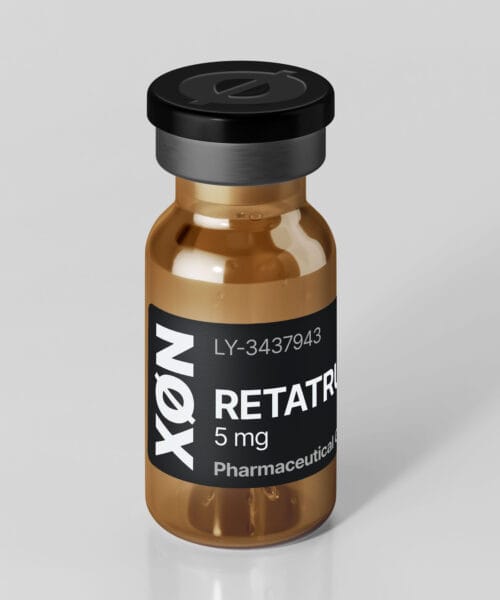
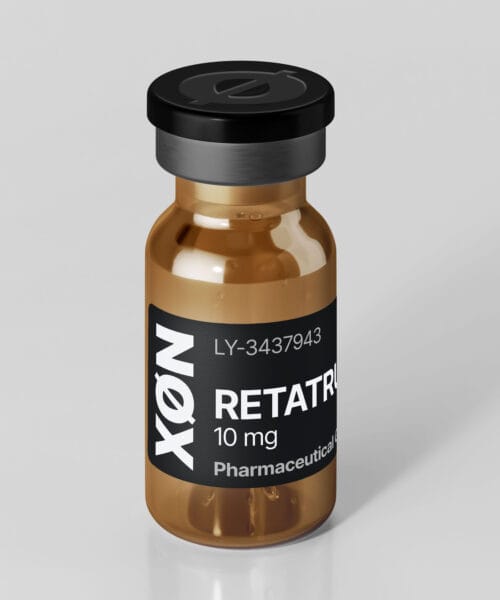
No online retailer is an authorized Canadian or US retail source of FDA-approved retatrutide because no such approved product exists. Claims that Nox Peptides or any other peptide vendor is the “best place” to buy retatrutide can’t be responsibly endorsed or verified as pharmaceutical care. A research-product seller isn’t a substitute for a licensed pharmacy, approved prescription, or regulated clinical trial.
Protect yourself by:
- Checking whether the drug is approved in your country.
- Verifying trial listings through ClinicalTrials.gov.
- Confirming Canadian health products through Health Canada’s Drug Product Database.
- Avoiding sellers that provide human dosing instructions for “research-only” material.
- Reporting suspected illegal or counterfeit products to the relevant regulator.
If you already injected an unknown product and develop severe vomiting, abdominal pain, fainting, allergic symptoms, or confusion, seek urgent care and bring the vial or packaging if possible.
References (Key Trials and Primary Sources)
- Jastreboff AM, et al. Triple-hormone-receptor agonist retatrutide for obesity, A Phase 2 trial. New England Journal of Medicine. 2023.
- Rosenstock J, et al. Retatrutide in participants with type 2 diabetes: a randomized Phase 2 trial. The Lancet. 2023.
- Sanyal AJ, et al. Effects of retatrutide on liver fat in people with obesity. Nature Medicine. 2024.
- Wilding JPH, et al. Once-weekly semaglutide in adults with overweight or obesity. New England Journal of Medicine. 2021.
- Jastreboff AM, et al. Tirzepatide once weekly for the treatment of obesity. New England Journal of Medicine. 2022.
- US National Library of Medicine. Retatrutide studies and current recruitment records. ClinicalTrials.gov.
- US Food and Drug Administration. FDA information on medications containing semaglutide marketed for type 2 diabetes or weight loss.
Retatrutide may eventually become a major obesity treatment, but the most honest 2026 conclusion is still: promising, powerful, and unfinished. Phase 2 evidence suggests exceptional average weight loss alongside improvements in several metabolic markers. It also documents gastrointestinal side effects, discontinuations, and unanswered long-term questions.
For now, your safest move is to use approved treatments through a qualified clinician or investigate enrollment in a registered trial. Skip “research peptide” products, but polished the website looks. If retatrutide earns approval, verified manufacturing, formal prescribing guidance, and mature Phase 3 evidence will give you something internet hype can’t, an evidence-based way to judge whether its benefits fit your health and your risks.