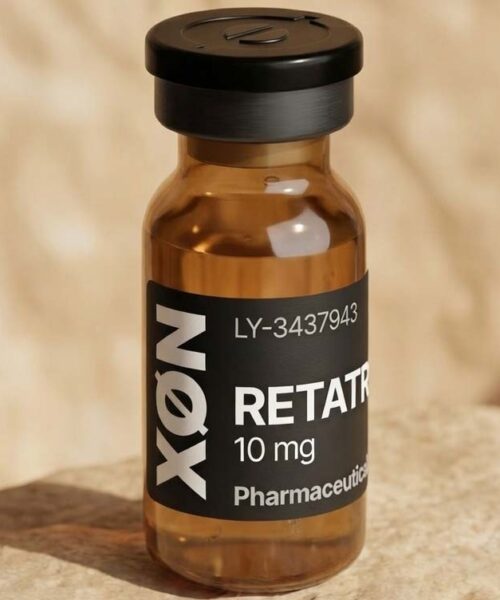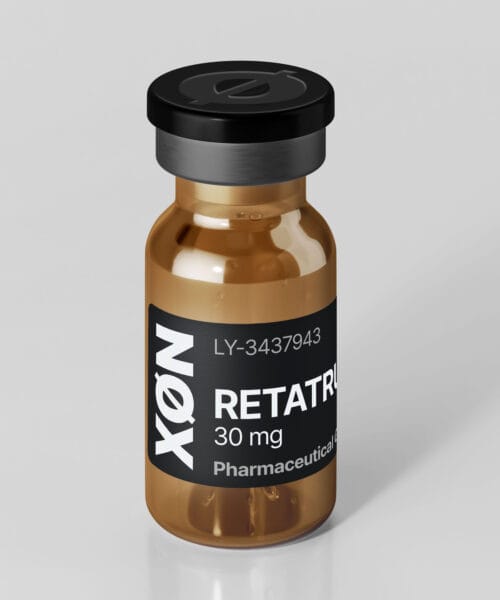


Searching for the best fat burning peptide can feel like walking into a pharmacy where half the labels have been replaced by gym-bro nicknames. Tirzepatide and semaglutide have strong clinical evidence. Tesamorelin has a narrow FDA-approved purpose. Meanwhile, AOD-9604 and growth-hormone secretagogue stacks are promoted far beyond what human trials currently prove.
Here’s the honest framing: no peptide selectively melts love handles while you sleep. The most effective medications primarily help you eat less by changing appetite, fullness, digestion, and glucose regulation. Others may affect visceral fat or growth-hormone signaling, but their benefits, and risks, aren’t interchangeable.
This independent review compares five commonly discussed options using clinical outcomes, FDA status, side effects, cost, access, and evidence quality. There are no manufacturer affiliations or referral commissions behind the rankings. Prices are approximate US cash figures because insurance rules, shortages, telehealth fees, and compounding policies change frequently.
For most eligible adults, tirzepatide produces the strongest average weight-loss results, with semaglutide close behind and supported by cardiovascular-outcomes data. That doesn’t automatically make either one right for you. Your medical history, current medications, budget, tolerance, and treatment goals matter more than a dramatic before-and-after post.
Use this guide to prepare for a licensed clinician, not to build a DIY injection protocol. Peptides can cause meaningful harm, especially when sourced from products labeled “research use only.” Let’s separate useful medicine from expensive wishful thinking.
Key Takeaways
- Tirzepatide currently ranks as the best fat burning peptide for average weight loss, showing 15% to 21% reductions over 72 weeks in clinical trials.
- Semaglutide is a strong alternative with proven weight loss and cardiovascular benefits, making it a reliable choice for eligible adults.
- Tesamorelin is FDA-approved only for reducing visceral fat in adults with HIV lipodystrophy and is not suitable for general obesity treatment.
- Fat burning peptides primarily aid weight loss by reducing appetite and increasing fullness rather than directly targeting fat deposits or boosting metabolism.
- Unapproved peptides like AOD-9604 and CJC-1295 plus ipamorelin lack solid clinical evidence and carry potential safety risks, so regulated, FDA-approved treatments are recommended.
- Combining peptides should be done cautiously under medical supervision, focusing on sustainable nutrition, exercise, and sleep rather than unproven multi-peptide stacks.
Quick Picks: The Best Fat Burning Peptide by Goal
If you want the short version before your coffee gets cold, start here:
- Strongest average weight loss: Tirzepatide
- Best established alternative: Semaglutide
- Best for FDA-approved treatment of excess abdominal fat in adults with HIV lipodystrophy: Tesamorelin
- Most overpromoted relative to its evidence: AOD-9604
- Body-recomposition option with weak weight-loss evidence: CJC-1295 plus ipamorelin
Tirzepatide is the leading overall pick because participants without diabetes lost roughly 15% to 21% of starting weight over 72 weeks, depending on dose, in the pivotal SURMOUNT-1 trial.¹ Semaglutide remains compelling: STEP 1 reported an average reduction of about 15% over 68 weeks alongside lifestyle intervention.²
Those are group averages, not promises. Some people respond dramatically: others stop because of nausea, cost, inadequate response, or contraindications. The “best” option is eventually the one that is indicated, tolerable, affordable, and medically supervised.
How Fat-Burning Peptides Work (Mechanisms That Drive Weight Loss)
The phrase fat burner suggests a metabolic blowtorch. In reality, clinically effective peptides work more like a volume knob: they turn down hunger, increase fullness, and make a calorie deficit easier to sustain.
Tirzepatide activates glucose-dependent insulinotropic polypeptide, or GIP, and glucagon-like peptide-1 receptors. Semaglutide targets GLP-1 receptors. Tesamorelin stimulates growth-hormone release through a different pathway. These mechanisms explain why medications can produce very different outcomes even though sharing the peptide label.
Appetite & satiety signaling (GLP-1/GIP pathways)
GLP-1 signaling acts in the pancreas, digestive system, and brain. After eating, it helps stimulate insulin when glucose is elevated and sends stronger fullness signals. Tirzepatide adds GIP-receptor activity, which appears to complement its GLP-1 effects.
For you, that may mean a smaller meal feels genuinely sufficient, not that you’re white-knuckling hunger while staring sadly at someone else’s fries. Many users describe reduced “food noise,” although that informal phrase isn’t a clinical endpoint.
Medication still doesn’t choose your meals. If appetite falls so far that protein, fiber, and micronutrient intake collapse, weight may drop while nutrition and lean mass suffer.
Gastric emptying, blood sugar control, and cravings
GLP-1–based therapies slow gastric emptying, particularly during treatment initiation, while improving glucose-dependent insulin secretion and reducing inappropriate glucagon release. Food remains in the stomach longer, fullness lasts, and large meals can suddenly feel like a regrettable life decision.
More stable blood sugar may also reduce the sharp hunger swings some people experience, especially with insulin resistance or type 2 diabetes. But delayed stomach emptying contributes to nausea, reflux, constipation, and medication-absorption concerns.
People with severe gastroparesis generally aren’t good candidates. If you take insulin or a sulfonylurea, your prescriber may need to adjust it because combining therapies can increase hypoglycemia risk.
Lipolysis and fatty-acid oxidation (body-fat utilization)
Body fat declines when stored energy is mobilized to cover an ongoing energy deficit. Tirzepatide and semaglutide primarily help that deficit by lowering intake: they aren’t stimulant-style thermogenic agents.
Tesamorelin is different. By stimulating growth-hormone release, it can alter lipid metabolism and reduce visceral adipose tissue in its approved population. That doesn’t make it a universal belly-fat injection. Nor does spot reduction become possible because a clinic used the phrase “targeted fat loss.”
AOD-9604, a modified fragment related to human growth hormone, is marketed around lipolysis claims. But, mechanistic plausibility and animal findings haven’t translated into convincing, large-scale weight-loss evidence in people.
Lean-mass preservation, sleep, and recovery (indirect fat-loss support)
Any substantial weight-loss program can reduce both fat and lean tissue. Resistance training, sufficient protein, and a sensible rate of loss matter more for muscle preservation than adding an unapproved peptide stack.
Growth-hormone secretagogues such as CJC-1295 and ipamorelin are promoted for sleep, recovery, and body recomposition. Limited studies of individual compounds show hormonal effects, but there’s no robust evidence that the popular combination produces clinically meaningful obesity treatment outcomes. Higher growth-hormone and IGF-1 activity can also cause edema, joint discomfort, numbness, and impaired glucose control.
If strength is dropping every week, don’t automatically add another vial. Review calories, protein, training load, sleep, and medication dose first.
What Counts as a “Peptide” for Fat Loss (And What Doesn’t)
A peptide is a chain of amino acids, generally shorter than a protein. That chemical definition covers many molecules, but it tells you almost nothing about whether a product is approved, effective, sterile, or safe.
Semaglutide, tirzepatide, and tesamorelin are peptide-based prescription medications. AOD-9604 and CJC-1295 are discussed as peptides too, yet they lack FDA approval for weight management. Same broad molecular family: completely different evidence and regulatory footing.
Prescription incretin medications vs compounded peptides vs “research” products
FDA-approved Wegovy contains semaglutide, while Zepbound contains tirzepatide. Their manufacturing, labeling, dosing devices, and adverse-event reporting are regulated. Ozempic and Mounjaro contain the same respective active ingredients but are approved for type 2 diabetes rather than routine cosmetic weight loss.
Compounded drugs may be appropriate in limited circumstances when a prescriber identifies a patient-specific need and legal requirements are met. They aren’t FDA-approved equivalents, and the agency doesn’t pre-review them for safety, effectiveness, or quality. Shortage-related compounding rules also change as supply status changes: check the FDA’s current guidance on compounded GLP-1 products.
“Research use only” means not for human use. It isn’t a clever route around prescription requirements.
Commonly confused non-peptides (e.g., Cardarine) and why they’re different
Cardarine, or GW501516, is a small-molecule PPAR-delta agonist, not a peptide, GLP-1 medication, or FDA-approved weight-loss drug. It was never approved for human use, and development was abandoned amid safety concerns, including cancer findings in animal studies.
Other substances often tossed into the same internet bucket include clenbuterol, stimulants, selective androgen receptor modulators, and anabolic steroids. Their mechanisms and risk profiles differ substantially.
This distinction isn’t chemistry trivia. Calling every performance-enhancing compound a peptide creates false reassurance. If a seller bundles Cardarine beside “healing peptides” and promises effortless shredding, that’s your cue to close the tab, not reach for your wallet.
Comparison Table: Effectiveness, Safety, Cost, and Availability
This comparison ranks evidence for the specific fat-loss claim, not social-media popularity. Cash prices are broad estimates before insurance, discounts, laboratory work, or clinic membership fees.
| Option | Evidence for fat loss | Key concern | Approximate US cash cost | Regulatory availability |
| Tirzepatide | Excellent for chronic weight management | GI effects: gallbladder, pancreatic, and thyroid warnings | About $1,000–$1,300/month list-price range: eligible cash programs may lower cost | FDA-approved as Zepbound for eligible patients |
| Semaglutide | Excellent: weight and cardiovascular evidence | GI effects and similar class warnings | Roughly $1,300–$1,500/month list price for Wegovy | FDA-approved for eligible patients |
| Tesamorelin | Good for visceral fat in HIV lipodystrophy: not general obesity | Elevated IGF-1, edema, glucose intolerance | Often several thousand dollars monthly | FDA-approved as Egrifta WR for a narrow indication |
| AOD-9604 | Poor/inconclusive human weight-loss evidence | Unknown long-term safety and variable product quality | Commonly $200–$500/month through clinics | Not FDA-approved |
| CJC-1295 + ipamorelin | Insufficient evidence for meaningful weight loss | Hormonal effects, edema, glucose issues, unregulated supply | Often $250–$600+ monthly | Not FDA-approved |
Coverage varies by plan and diagnosis. A lower advertised vial price can become expensive once consultations, supplies, shipping, and mandatory subscriptions appear at checkout.
Best Fat-Burning Peptides Reviewed (Pros, Cons, Side Effects, Who It’s For)
These reviews separate average trial performance from practical fit. The strongest option on paper can still be a poor choice if it conflicts with your history, budget, or tolerance.
Tirzepatide (GLP-1/GIP): strongest average weight-loss outcomes
Best for: Adults meeting treatment criteria who want the strongest average results and can tolerate an incretin medication.
Tirzepatide leads this ranking because SURMOUNT trials produced unusually large average reductions in body weight. It’s injected once weekly, which many people find easier than daily dosing.
Pros:
- Strongest average weight-loss evidence in this group
- Improves several cardiometabolic markers
- FDA-approved as Zepbound for chronic weight management and for moderate-to-severe obstructive sleep apnea in adults with obesity
Cons: Nausea, diarrhea, constipation, vomiting, reflux, and fatigue are common. Cost and coverage remain barriers. Weight regain can occur after discontinuation, so think long-term treatment, not a four-week “shred.”
It’s contraindicated with a personal or family history of medullary thyroid carcinoma or MEN 2.
Semaglutide (GLP-1): appetite control and metabolic improvements
Best for: Eligible adults seeking well-established appetite control, extensive clinical experience, and demonstrated cardiovascular benefit.
Semaglutide’s average weight loss trails tirzepatide in head-to-head obesity evidence, but it’s hardly second-rate. In SELECT, semaglutide reduced major cardiovascular events among adults with overweight or obesity and established cardiovascular disease but without diabetes.³
Pros: Once-weekly dosing, substantial average weight reduction, established brand supply chains, and cardiovascular-risk evidence for Wegovy’s indicated population.
Cons: Gastrointestinal symptoms, gallbladder problems, potential pancreatitis, and cost. Rapid glucose improvement may require closer eye monitoring in patients with diabetic retinopathy.
Online comparisons sometimes pit Ozempic against Wegovy as though they’re different peptides. They contain semaglutide but have different approved indications, maximum doses, labeling, and insurance pathways.
Tesamorelin: visceral fat reduction focus (belly fat/waistline)
Best for: Adults with HIV and excess abdominal fat caused by lipodystrophy, under specialist care.
Tesamorelin is a growth-hormone-releasing factor analog. It can reduce visceral adipose tissue, the deeper abdominal fat around organs, in its approved population. It isn’t indicated for general weight loss, and its long-term cardiovascular benefit hasn’t been established.
Pros: Evidence-based, targeted therapy for a specific medical condition: may improve waist-related measures and certain lipid markers.
Cons: Daily injections, high cost, injection reactions, fluid retention, joint pain, elevated IGF-1, and possible glucose intolerance. Visceral fat may return after treatment stops.
If you simply dislike lower-belly softness, tesamorelin isn’t a precision sculpting tool. That tissue may be subcutaneous fat, and your situation falls outside the medication’s approved purpose.
AOD-9604: evidence status, expectations, and realistic use cases
Best for: No routine weight-management population based on current evidence.
AOD-9604 is a modified fragment derived from the C-terminal region of human growth hormone. Marketing claims often say it stimulates fat breakdown without broader growth-hormone effects. That sounds tidy, perhaps too tidy.
The problem is clinical relevance. Human development didn’t produce sufficiently convincing weight-loss outcomes for approval, and high-quality contemporary evidence remains sparse. There’s no standardized FDA-approved dosing regimen for obesity and little dependable long-term safety information.
A clinic may combine it with calorie restriction and report happy clients, but those testimonials can’t separate the injection from diet changes, coaching, placebo effects, or selective reporting. Given the uncertainty, your money is usually better spent on evidence-based treatment, quality food, and resistance training.
CJC-1295 + Ipamorelin (GH secretagogue stack): body recomposition support
Best for: No established obesity-treatment group: sometimes used experimentally in specialty settings, with substantial uncertainty.
CJC-1295 analogs stimulate growth-hormone-releasing hormone pathways, while ipamorelin acts at the ghrelin receptor to promote growth-hormone release. Clinics commonly pair them and promise improved sleep, recovery, muscle retention, and fat loss.
The gap? Popular stack claims aren’t supported by large, rigorous obesity trials. Products called “CJC-1295” may also differ, some contain a drug-affinity-complex modification and others are shorter-acting versions, making online protocols especially unreliable.
Potential problems include water retention, tingling, headaches, increased hunger, insulin resistance, and elevated IGF-1. For straightforward fat loss, this stack ranks below approved incretin therapies. You shouldn’t need a chemistry scavenger hunt to understand what’s in your syringe.
Injectable vs Oral: What to Choose and Why
The injectable-versus-oral decision sounds dramatic until you see a modern pen needle, it’s tiny. Still, your preference matters because a brilliant treatment you repeatedly avoid isn’t brilliant in practice.
Approved injectable products generally provide predictable exposure and established titration schedules. Oral peptide delivery is harder because digestive enzymes break peptides down and the intestinal wall absorbs them poorly. Specialized formulations can help, but they come with strict instructions.
Dosing cadence, adherence, and needle considerations
Wegovy and Zepbound are administered once weekly, typically on the same day each week. Tesamorelin requires daily administration. Clinicians begin semaglutide and tirzepatide at low doses and escalate gradually to reduce gastrointestinal problems: starting at a maintenance dose is a recipe for a miserable weekend.
Rotate injection sites across the abdomen, thigh, or upper arm as labeling permits. Never share pens or needles. If you miss a dose, follow that product’s prescribing instructions rather than improvising.
Needle anxiety is real. Ask a pharmacist or nurse to demonstrate technique, then use a calm routine: medication ready, skin clean, exhale, inject. Most anticipation lasts longer than the shot.
Oral options and absorption limits (where applicable)
Oral semaglutide is available as Rybelsus for type 2 diabetes, not as a simple substitute for Wegovy’s obesity indication. It must be taken on an empty stomach with a small amount of plain water, followed by a waiting period before food, drinks, or other oral medications.
Oral obesity-drug options exist outside the peptide category, including phentermine/topiramate and naltrexone/bupropion. These may suit some patients better based on cost, contraindications, and preference.
Be skeptical of generic “oral peptide drops,” capsules, or troches promoted without credible pharmacokinetic data. If ordinary digestion destroys most of the molecule, adding peppermint flavor doesn’t solve the delivery problem, nice try, internet.
Stacking & Combining Peptides: What’s Evidence-Based vs Hype
More compounds don’t automatically mean more fat loss. Often, stacking multiplies cost, nausea, monitoring complexity, and uncertainty before it adds measurable benefit.
Never combine semaglutide with tirzepatide or another GLP-1 receptor agonist. Product labeling advises against that overlap, and there’s no sound DIY rationale for doubling down on similar pathways.
When combining makes sense (plateaus, appetite vs visceral fat vs recovery)
Evidence-based combination care usually means pairing one appropriate medication with nutrition support, resistance training, sleep treatment, behavioral therapy, or another clinician-selected anti-obesity medication, not creating a five-peptide cocktail.
A plateau isn’t automatically drug failure. Weight loss slows as your smaller body uses less energy, appetite adapts, and early water changes disappear. Before changing treatment, your clinician should check adherence, dose tolerance, medications that promote weight gain, thyroid symptoms, sleep apnea, alcohol intake, and calorie-dense “healthy” extras.
Tesamorelin might be used for its approved HIV-lipodystrophy indication while other conditions receive separate treatment, but that specialist decision isn’t a general-purpose stack recommendation.
Example goal-based protocols (cutting, recomp, visceral-fat focus) and what to discuss with a clinician
These are discussion frameworks, not dosing plans:
- Clinical weight-loss goal: One FDA-approved anti-obesity medication, progressive nutrition changes, two or three weekly strength sessions, and periodic follow-up.
- Recomposition goal: Maintain a modest calorie deficit, distribute protein across meals, train major muscle groups, and adjust medication if appetite suppression makes adequate nutrition impossible.
- HIV-related visceral-fat goal: Ask an HIV specialist whether tesamorelin is indicated: review glucose, IGF-1, active malignancy history, and interactions.
- Plateau: Confirm several weeks of reliable weight and waist data before escalating treatment.
Bring your complete medication list and actual supplement bottles. “It’s just a peptide” isn’t enough information for safe prescribing.
Safety, Side Effects, and Red Flags
Fat-loss medications deserve the same seriousness as blood-pressure or diabetes drugs. You need authentic medication, appropriate screening, gradual titration, and a plan for side effects.
Common side effects (GI, fatigue, appetite suppression, injection-site reactions)
With tirzepatide and semaglutide, nausea, diarrhea, constipation, vomiting, abdominal discomfort, belching, and fatigue are common, particularly after dose increases. Smaller meals, slower eating, adequate fluids, and avoiding very rich meals may help.
Contact your clinician if you can’t maintain hydration, repeatedly vomit, become unusually weak, or have severe constipation. Appetite suppression shouldn’t become an accidental starvation contest.
Tesamorelin and secretagogue products may cause injection-site redness, swelling, joint pain, or fluid retention. Rotating sites can reduce irritation, but persistent reactions need evaluation. Don’t treat every adverse effect as proof the medication is “working.” Suffering isn’t a biomarker.
Serious risks and contraindications (pregnancy, breastfeeding, cancer risk, pancreatitis history)
GLP-1–based medications carry important warnings involving pancreatitis, gallbladder disease, acute kidney injury from dehydration, severe gastrointestinal reactions, and thyroid C-cell tumors observed in rodents. Avoid tirzepatide and semaglutide if you or a close family member has medullary thyroid carcinoma or MEN 2.
Weight-loss drugs aren’t used during pregnancy: discuss discontinuation timing before conception and avoid use while breastfeeding unless your qualified clinician advises otherwise based on current labeling and circumstances. Tirzepatide can affect oral contraceptive exposure during initiation and dose escalation, so ask about backup contraception.
Severe, persistent abdominal pain, especially with vomiting or pain radiating to your back, requires prompt medical assessment. A pancreatitis history demands individualized risk discussion, not forum reassurance.
Medical-grade vs research-grade: purity, dosing accuracy, and contamination risk
FDA-approved products provide labeled concentrations, regulated manufacturing, storage requirements, and traceability. Unapproved research vials may contain the wrong concentration, degradation products, endotoxins, or microbial contamination. A polished label and third-party “COA” uploaded by the seller don’t prove your specific vial is sterile.
Red flags include:
- No prescription or medical screening
- Payment through cryptocurrency only
- Instructions to calculate doses in vague “units” without concentration
- Claims of zero side effects
- Products shipped warm even though refrigeration requirements
- Sellers calling the drug “for research” while giving human injection instructions
Check licensed pharmacies through your state board of pharmacy. The FDA’s BeSafeRx resources can also help you identify unsafe online sellers.
Who Should Use Fat-Burning Peptides (And Who Shouldn’t)
FDA-approved chronic weight-management medications are generally considered for adults with a BMI of at least 30, or at least 27 with a weight-related condition, alongside reduced-calorie nutrition and physical activity. Specific labeling and clinical judgment govern eligibility: BMI is a screening tool, not a moral scorecard.
You may be a reasonable candidate if excess weight affects blood pressure, sleep apnea, glucose control, mobility, or cardiovascular risk and lifestyle measures alone haven’t produced durable results.
You shouldn’t use these products merely to lose a few cosmetic pounds without medical indication. Extra caution, or avoidance, applies with pregnancy, breastfeeding, eating disorders, severe gastroparesis, relevant thyroid-cancer history, pancreatitis concerns, or interacting diabetes drugs.
Tesamorelin is for its labeled HIV-lipodystrophy population, not ordinary central weight gain. Unapproved AOD-9604 and CJC/ipamorelin stacks shouldn’t replace validated obesity care.
If medication access is worsening anxiety, restrictive eating, or body-image distress, say so. A good clinician treats the person attached to the scale.
Cost, Insurance, and Access (Prescription vs Clinic vs Compounding)
Coverage is often the least glamorous, and most decisive, part of choosing the best fat burning peptide. Commercial insurance may require prior authorization, proof of BMI and related conditions, or participation in a lifestyle program. Many plans exclude obesity medication altogether. Medicare coverage depends on indication and current policy: benefits can change, so verify directly.
Before paying, ask for the total monthly cost:
- Medication and supplies
- Consultation or membership fees
- Required laboratory testing
- Shipping and follow-up appointments
- Price after any introductory promotion ends
Manufacturer savings cards may help eligible commercially insured patients, but they usually exclude government insurance and have terms and caps. Avoid assuming a coupon guarantees long-term affordability.
Compounded versions can cost less, yet legal availability isn’t permanent and quality isn’t equivalent to FDA approval. The FDA has warned about dosing errors and adverse events involving compounded semaglutide and tirzepatide. Also ask whether semaglutide is in the same active form used by an approved product: salt forms have raised regulatory concerns.
A legitimate clinic tells you the pharmacy’s name, concentration, prescriber credentials, and cancellation policy before charging your card.
How to Maximize Results: Nutrition, Training, Sleep, and Lab Monitoring
Medication can quiet hunger, but your routine determines whether the resulting weight loss supports strength, health, and a life you can actually enjoy.
Build meals around a protein source, Greek yogurt, eggs, chicken, fish, tofu, beans, or lean meat, then add produce and fiber-rich carbohydrates as tolerated. Your exact protein target should reflect body size, kidney health, age, and training: a dietitian can personalize it. When nausea appears, smaller low-fat meals often land better than one heroic dinner.
Train major muscle groups at least twice weekly if you’re medically able. Even simple sessions count: squats to a chair, rows, presses, hinges, and loaded carries. Add walking or other aerobic work gradually. The goal isn’t punishment: it’s preserving capacity while body weight changes.
Track more than pounds:
- Waist circumference and blood pressure
- Strength and daily energy
- Hydration and bowel habits
- A1C or glucose when relevant
- Kidney and liver markers as clinically indicated
- Lipids, medication interactions, and nutrition concerns
- IGF-1 and glucose when using tesamorelin under specialist care
Sleep deserves a spot in the plan. Seven to nine hours won’t magically erase fat, but poor sleep can worsen hunger, recovery, and glucose regulation. Persistent snoring or daytime sleepiness warrants sleep-apnea evaluation.
Finally, schedule regular reviews. Your clinician should assess response, side effects, adherence, dose, and whether treatment remains worth its cost. If you stop an incretin medication, plan for appetite returning rather than blaming yourself when it does.
The bottom line: tirzepatide currently earns the overall best fat burning peptide designation for average weight-loss efficacy, while semaglutide offers excellent results and particularly valuable cardiovascular evidence. Tesamorelin serves a specialized HIV-related indication: AOD-9604 and CJC-1295/ipamorelin remain far less proven.
Choose regulated care over mystery vials, preserve muscle with food and training, and judge progress by health, not just the smallest number your scale can display. Your next step is simple: take this comparison, your medical history, and your coverage details to a qualified clinician. That conversation is less exciting than an influencer’s “secret stack,” sure… but it’s considerably more likely to help without turning you into your own laboratory.
Best Fat Burning Peptides: Frequently Asked Questions
What is the most effective fat burning peptide for weight loss?
Tirzepatide is currently the most effective fat burning peptide, with clinical trials showing an average weight loss of 15% to 21% over 72 weeks, making it the strongest option for chronic weight management when medically supervised.
How do fat burning peptides like tirzepatide and semaglutide work to reduce weight?
These peptides work primarily by reducing appetite and increasing fullness through GLP-1 and GIP receptor pathways, helping create a calorie deficit. They do not selectively burn fat but make it easier to sustain weight loss by controlling hunger and digestion.
Is tesamorelin effective for general belly fat reduction?
Tesamorelin is FDA-approved to reduce visceral fat in adults with HIV-related lipodystrophy but is not indicated for general abdominal fat loss or overall obesity treatment in the general population.
Are peptides like AOD-9604 and CJC-1295 plus ipamorelin proven fat burners for weight loss?
No, AOD-9604 and CJC-1295 plus ipamorelin lack robust clinical evidence supporting significant weight loss benefits. They are often promoted beyond what human trials show and are not FDA-approved for obesity treatment.
What are common side effects of FDA-approved fat burning peptides such as tirzepatide and semaglutide?
Common side effects include nausea, diarrhea, constipation, vomiting, abdominal discomfort, and fatigue, especially during dose escalation. These effects often improve with gradual dose increases and medical supervision.
Can fat burning peptides be taken orally instead of by injection?
Most effective fat burning peptides like semaglutide and tirzepatide are injectable to ensure proper absorption. While oral semaglutide exists for type 2 diabetes, it is not approved as a weight loss medication and has strict administration requirements.