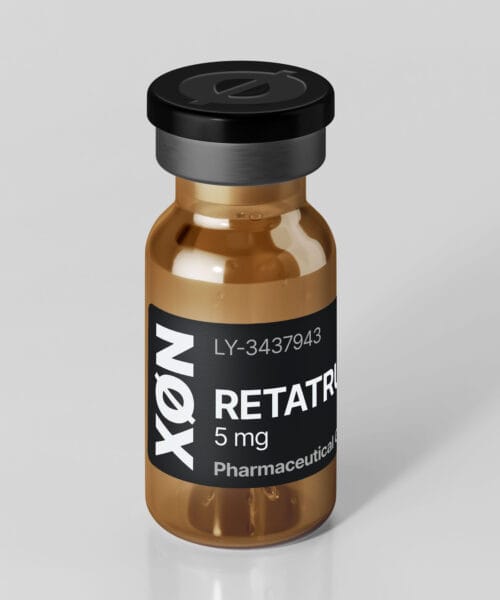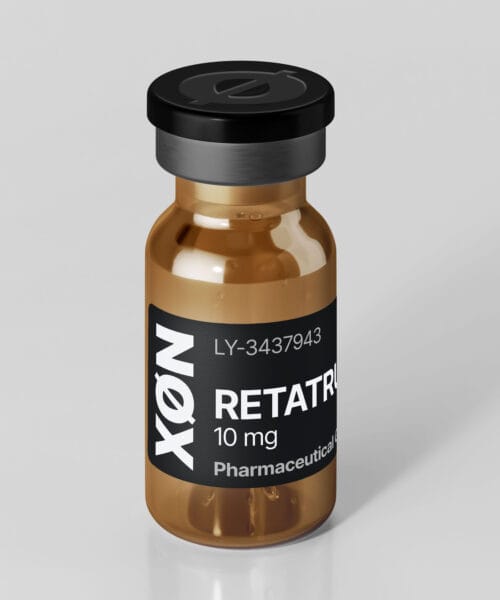
Tesofensine

Overview

What is Tesofensine?

Tesofensine (NS2330) is a triple monoamine reuptake inhibitor that blocks the reuptake of dopamine, norepinephrine, and serotonin. Originally developed for Parkinson’s and Alzheimer’s disease, it demonstrated significant weight loss effects in early trials, leading to its development as an anti-obesity agent. Phase 2 and 3 clinical trials have shown weight loss of 10-12% over 24 weeks, making it one of the more effective investigational weight loss compounds. It works primarily by suppressing appetite and increasing energy expenditure through central nervous system mechanisms.

Key Benefits

Potent appetite suppression with significant weight loss (9-12% over 24 weeks). Once-daily oral dosing with long half-life (~9 days). May also increase resting energy expenditure. Different mechanism than GLP-1 agonists offers alternative approach.

Mechanism of Action

Tesofensine is a triple monoamine reuptake inhibitor that blocks reuptake of dopamine (IC50: 6.5nM), norepinephrine (IC50: 1.7nM), and serotonin (IC50: 11nM). This increases neurotransmitter levels in the hypothalamus and other brain regions controlling appetite and satiety. Recent research shows it silences GABAergic neurons in the lateral hypothalamus that normally promote feeding behavior.

Pharmacokinetics

Peak: 8 hrs Half-life: 9,2 days Cleared: ~45.8 days

Research Indications

Significant Weight Reduction

Phase 2/3 trials demonstrate 9-12% body weight loss over 24 weeks, among the highest for investigational obesity drugs

Appetite Suppression

Reduces hunger signals and increases satiety through central nervous system monoamine modulation

Potential Metabolic Benefits

Clinical trials showed improvements in triglycerides, VLDL cholesterol, and insulin levels

Visceral Fat Reduction

Phase 3 data showed significant reduction in visceral fat, the metabolically harmful fat around organs

Increased Energy Expenditure

May increase resting metabolic rate through noradrenergic stimulation

Insulin Sensitivity

Phase 3 trials showed improvements in fasting insulin levels

Lipid Profile Improvement

Reductions in triglycerides and VLDL cholesterol observed in clinical trials

Research Protocols

Disclaimer

These are commonly discussed research protocols shared for educational reference. This is not medical advice and is not a substitute for guidance from a qualified healthcare provider.

Goal Dose Frequency Route
Standard Weight Loss 0.5mg Once daily in the morning Oral
Conservative/Starting Dose 0.25mg Once daily in the morning Oral
Maximum Studied Dose 1.0mg Once daily (higher side effect rate) Oral

Timing

Take in the morning to minimize insomnia risk. The long half-life (~9 days) means consistent daily dosing is less critical than with shorter-acting medications, but morning dosing is still recommended.

Peptide Interactions

High risk of serotonin syndrome due to overlapping serotonergic activity. Both increase serotonin levels which can lead to dangerous accumulation.
Risk of serotonin syndrome and excessive norepinephrine stimulation. Combination may cause severe hypertension and cardiac effects.
Absolutely contraindicated. Combination can cause life-threatening serotonin syndrome, hypertensive crisis, and death.
Overlapping dopaminergic and noradrenergic effects may cause severe cardiovascular stress, hypertension, and increased abuse potential.
Both affect dopamine and norepinephrine reuptake. Combination increases risk of seizures, hypertension, and cardiac effects.
No clinical data on combination. Different mechanisms (GLP-1 vs monoamine) but combined use is not recommended without medical supervision.
Metoprolol may counteract tesofensine-induced heart rate and blood pressure increases while preserving appetite suppression. Studied in preclinical models.
May enhance stimulant-like effects and cardiovascular stress. Consider reducing caffeine intake while using tesofensine.

How to Reconstitute

Important

Always use bacteriostatic water (BAC). Sterile technique is essential.

  • 1
    Take one capsule in the morning with or without food
  • 2
    Swallow whole with water
  • 3
    Take at the same time each day for consistent blood levels
  • 4
    Due to long half-life (~9 days), steady state reached after several weeks
  • 5
    Do not take in the evening due to potential insomnia

Quality Indicators

  • !

    Not FDA Approved

    Tesofensine is investigational and not approved for obesity treatment in the US

  • !

    Compounded Products

    Currently only available through compounding pharmacies - quality varies

  • Third-Party Testing

    Verify purity through independent certificate of analysis (COA)

  • Proper Dosing

    Capsules should be accurately dosed at 0.25mg or 0.5mg increments

  • X

    Unknown Sources

    Avoid products without verifiable testing or from unregulated sources

  • X

    Combination Products

    Be cautious of pre-mixed combinations without clinical safety data

What to Expect

  • Week 1-2: Noticeable appetite reduction, possible dry mouth and mild insomnia

  • Week 2-4: Initial weight loss begins (1-2kg typical)

  • Month 1-3: Significant weight loss accumulates (5-8% body weight)

  • Month 3-6: Continued weight loss reaching 10-12% in responders

  • Long half-life (~9 days) means steady levels without peaks/troughs

  • Effects persist for weeks after discontinuation due to long half-life

Side Effects & Safety

  • NOT FDA approved - investigational compound only
  • May increase heart rate by 5-8 bpm (dose-dependent)
  • Can modestly increase blood pressure (1-3 mmHg typical)
  • Contraindicated with MAOIs, SSRIs, SNRIs, and stimulants
  • Not recommended for those with cardiovascular disease or uncontrolled hypertension
  • May cause insomnia - take in the morning only
  • Psychiatric effects possible - avoid with depression/anxiety history
  • Long half-life means side effects persist if they occur
  • Regular cardiovascular monitoring recommended
  • Rapid or irregular heartbeat (palpitations)
  • Significant blood pressure increase (>10 mmHg sustained)
  • Severe insomnia not improving with morning dosing
  • Signs of serotonin syndrome (agitation, fever, muscle rigidity)
  • Depressed mood or suicidal thoughts
  • Severe dry mouth causing difficulty eating/drinking
  • Chest pain or shortness of breath
  • Severe headache or neurological symptoms

References

TIPO-1 Phase IIB Trial (2008)

203 participants | 0.25-1.0mg daily | 24 weeks | Up to 10.6% weight loss

Landmark randomized, double-blind, placebo-controlled trial demonstrating dose-dependent weight loss. The 0.5mg dose showed 9.2% weight loss, approximately double that of FDA-approved obesity medications at the time.

View Study →

TIPO-4 Extension Trial (48 weeks)

140 participants | 0.5-1.0mg daily | 48 weeks | 13-14kg total weight loss

Open-label extension study showing sustained weight loss over 48 weeks of treatment, with participants maintaining 13-14kg weight reduction.

Viking Phase 3 Trial (2018)

372 participants | 0.25-0.5mg daily | 24 weeks | Significant weight loss

Phase 3 registration trial meeting primary and secondary endpoints. Demonstrated significant reductions in waist circumference, body fat, visceral fat, triglycerides, and insulin levels.

View Study →

GABAergic Hypothalamic Mechanism Study (2024)

Animal model | Various doses | Acute/chronic | Neuronal activity

Recent study revealing tesofensine silences GABAergic neurons in the lateral hypothalamus, providing mechanistic insight into its appetite-suppressing effects. Found synergy with 5-HTP for sustained weight loss.

View Study →

Appetite Suppression Mechanism Study

Rat model | 2mg/kg | 14 days | Alpha-1 and D1 receptor pathways

Demonstrated that tesofensine induces appetite suppression through indirect stimulation of alpha-1 adrenoceptor and dopamine D1 receptor pathways in diet-induced obese rats.

View Study →