

Shopping for Peptides Canada suppliers can feel like comparing identical white boxes in a snowstorm. Every store promises exceptional purity, fast delivery, and “premium” research materials, but those claims mean little without batch-specific evidence.
This independent guide reviews the Canadian peptide market by research category, quality controls, legal positioning, shipping, storage, and payment security. It doesn’t rank or endorse a particular seller, and no supplier paid for inclusion. Prices and policies can change, so verify current details before ordering.
One boundary matters from the start: the compounds discussed here are commonly sold for laboratory research only, not for human or veterinary consumption. A research label isn’t a wink or workaround. You should purchase only for legitimate, authorized work and follow applicable federal, provincial, institutional, and carrier rules.
With that cleared up, here’s how to compare Canadian peptide suppliers without letting glossy labels, or suspiciously perfect purity numbers, do your thinking for you.
Key Takeaways
- When purchasing peptides in Canada, always verify batch-specific certificates of analysis (COAs) to confirm purity and molecular identity rather than relying on marketing claims.
- Choose Canadian peptide suppliers that provide clear research-use-only labeling, transparent legal compliance, and do not promote human or veterinary consumption.
- Organize peptide purchases by research category and define your experimental requirements upfront to ensure legal and scientific suitability for your laboratory work.
- Prioritize suppliers offering strong batch tracking, tamper-evident packaging, and responsive support to reduce risks related to product integrity and shipment.
- Understand storage and handling requirements for peptides, including controlling temperature, moisture, and light exposure, to maintain compound stability and research validity.
- Verify payment security by using trusted methods like credit cards or official e-transfers and avoid vendors demanding cryptocurrency or unconventional payment channels.
Shop Peptides Canada by Research Category
A useful Peptides Canada catalog should organize compounds by research area while avoiding medical promises. Categories make comparison easier, but they don’t establish safety, legality, or suitability for a particular experiment.
Before buying, define your target molecule, required quantity, analytical method, and acceptable purity. Also confirm that your facility can lawfully receive, document, and store it. Ordering a trending compound first and inventing a protocol later is the laboratory equivalent of buying hiking boots after getting lost.
Recovery & Tissue Research (e.g., BPC-157, TB-500)
BPC-157 and TB-500 frequently appear in studies or discussions involving cell migration, angiogenesis, inflammation, and tissue-repair pathways. But, popularity online shouldn’t be confused with clinical approval or established human benefit. Health claims often run far ahead of reproducible evidence.
When comparing these products, check the stated molecular form, net vial content, batch-specific chromatogram, and mass confirmation. A supplier should distinguish TB-500-related material from thymosin beta-4 rather than treating the names as interchangeable. For in-vitro work, documentation of solubility, sequence, and analytical limitations may matter more than flashy branding.
Metabolic & Weight-Related Research (e.g., Tirzepatide, Retatrutide)
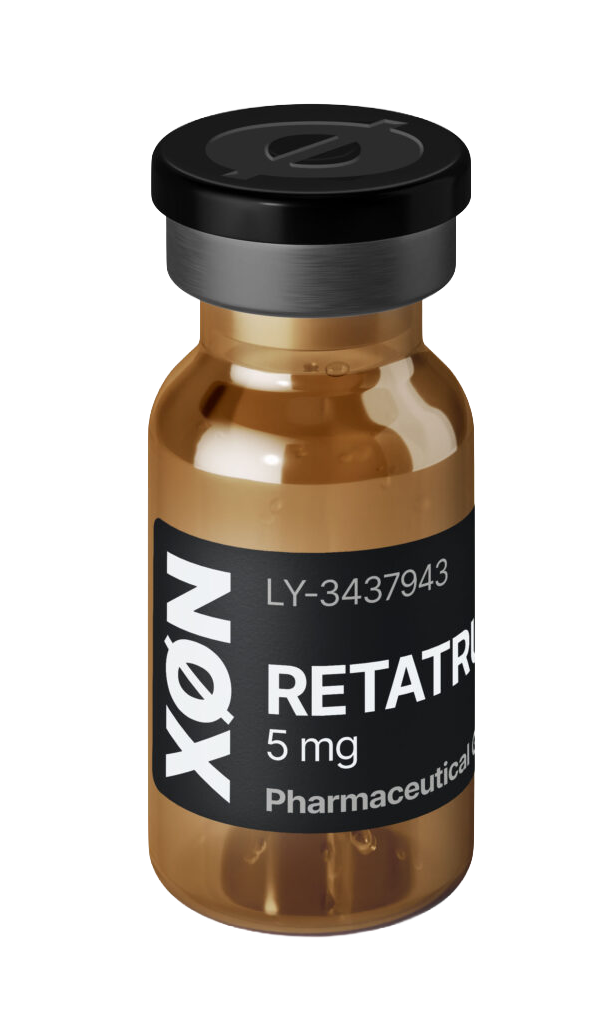
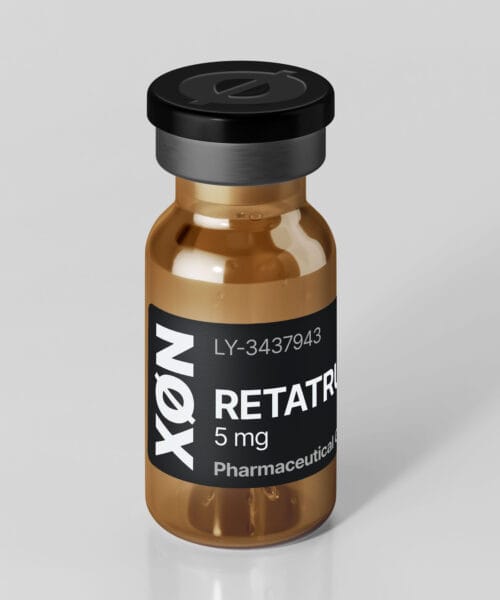
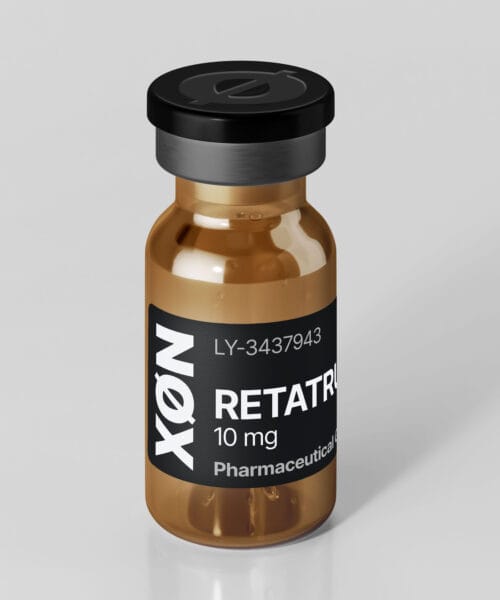
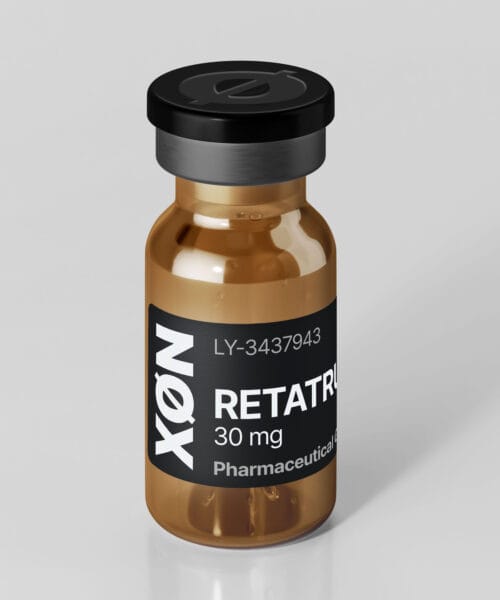
Tirzepatide and retatrutide attract intense search interest because of incretin and metabolic research. Their regulatory status isn’t identical: approved tirzepatide medicines are regulated products, while investigational compounds and raw research peptides occupy different legal and quality contexts. A research vial isn’t interchangeable with Eli Lilly’s authorized Mounjaro or Zepbound products.
Be particularly cautious when a vendor describes research material using dosing language, before-and-after photos, or obesity-treatment claims. Those are major compliance red flags. For legitimate analytical work, prioritize identity testing, accurate fill quantity, batch traceability, and transparent handling conditions, not testimonials about appetite or body weight.
GH / Hormone Research (e.g., CJC-1295 (No DAC), Ipamorelin, Tesamorelin)
CJC-1295 without DAC, ipamorelin, and tesamorelin are studied in connection with growth-hormone pathways, receptor activity, or endocrine signaling. Small naming differences matter here. CJC-1295 “No DAC” and longer-acting DAC-containing material shouldn’t share vague specifications or recycled certificates.
Tesamorelin also exists as an authorized prescription drug in specific contexts, which doesn’t make an online research vial an approved equivalent. Confirm sequence identity, salt form where relevant, molecular mass, and storage guidance. Suppliers should never recommend personal protocols, combine products into consumer “stacks,” or suggest that laboratory labeling somehow removes the risks associated with human-use claims.
Skin & Cosmetic Research (e.g., GHK-Cu)
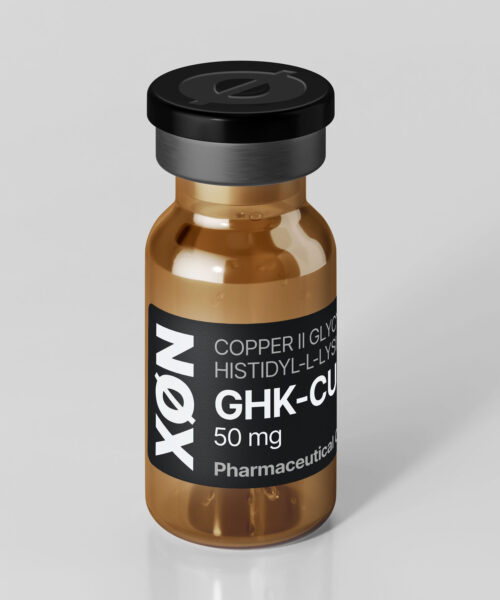
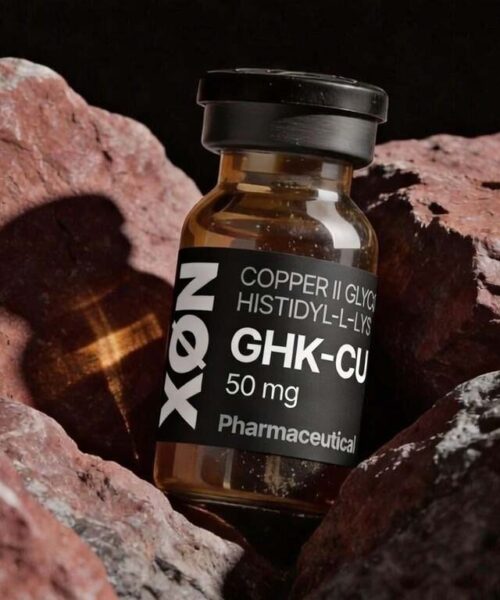
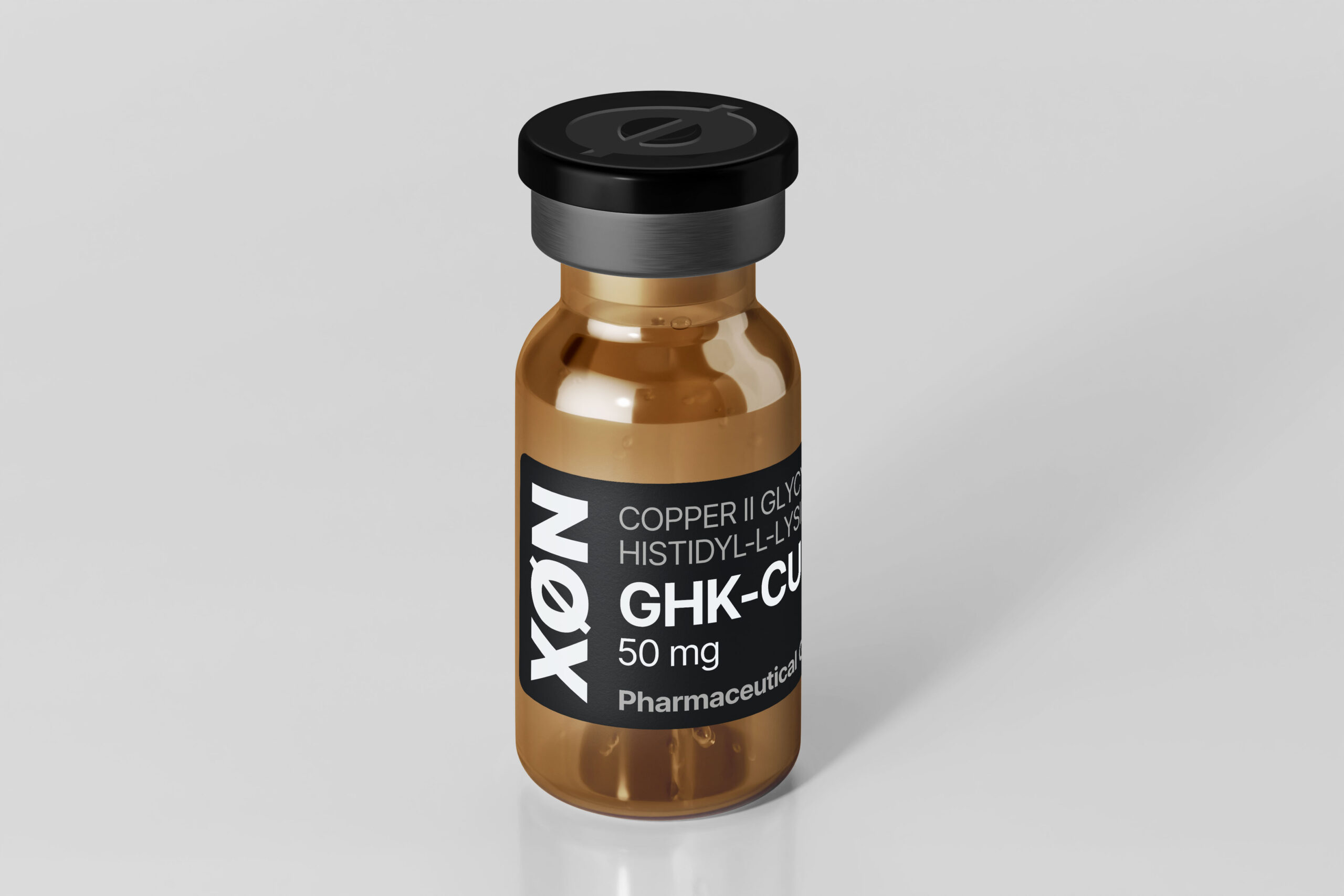
GHK-Cu is a copper-binding peptide investigated in skin biology, extracellular-matrix processes, wound models, and cosmetic science. It may appear as powder, solution, or an ingredient in finished skincare, but those formats aren’t automatically equivalent.
For raw research material, look for identity and purity documentation plus clear information about copper complexation and appearance. For a finished cosmetic, assess the complete formulation, concentration disclosure, stability, and Canadian cosmetic-labeling requirements instead. A blue vial and a scientific-sounding product name can look convincing: neither replaces analytical evidence. Also avoid vendors that quietly shift from cell-culture language to promises about reversing aging.
Mitochondrial / Longevity Research (e.g., NAD+, SS-31, MOTS-C, Epitalon)
NAD+, SS-31, MOTS-C, and Epitalon are often grouped under “longevity,” although they differ substantially in structure, mechanisms, and evidence. NAD+ is a dinucleotide rather than a peptide, for example. A technically careful supplier should know that distinction.
This category attracts especially ambitious claims, cellular rejuvenation, age reversal, endless energy, so keep your eyebrow politely raised. Compare actual specifications: chemical identity, assay method, degradation risks, and supporting literature. For emerging compounds, uncertainty is part of the honest answer. Sellers that acknowledge limited evidence are generally more credible than those turning preliminary findings into guarantees.
Top-Searched Peptides in Canada (Quick Picks)
Search popularity reveals interest, not scientific merit. Still, a quick comparison can help you identify the documentation each product should carry.
| Common search | Typical research focus | Key purchasing check |
| BPC-157 | Tissue and cellular models | Sequence and mass confirmation |
| TB-500 | Migration and repair pathways | Exact identity: don’t accept vague naming |
| Tirzepatide | Incretin and metabolic signaling | No therapeutic or dosing claims |
| CJC-1295 No DAC | GH-axis research | Confirm the specified molecular form |
| Ipamorelin | Receptor and endocrine studies | Batch-matched HPLC and LC-MS |
| GHK-Cu | Skin and matrix research | Verify copper-complex specifications |
| SS-31 | Mitochondrial research | Stability and handling documentation |
| MOTS-C | Metabolic signaling | Sequence, identity, and lot traceability |
Choose according to your approved research plan, not TikTok momentum, gym chatter, or a countdown timer claiming only three vials remain. Scarcity widgets are marketing tools, not peer review.
Quality & Purity Standards: How to Verify a Trusted Canadian Peptide Supplier
A trusted supplier should make verification boringly easy. You want batch records, responsive support, clear business details, and test results that withstand basic scrutiny. “Made with science” is decoration: traceable evidence is substance.
Look for a Canadian business identity and contact method, written research-use terms, consistent lot numbering, and transparent fulfillment policies. Ask whether testing is performed on finished inventory or only on an upstream bulk sample. If support dodges that question, you’ve learned something valuable before spending a dollar.
Third-Party COAs (What to Check: HPLC/LC-MS, purity %, date, batch/lot match)
A certificate of analysis should identify the compound, batch or lot, test date, methods, results, and laboratory. HPLC or UPLC commonly estimates chromatographic purity: LC-MS or MS helps confirm molecular identity. One doesn’t automatically replace the other.
Match the COA lot number to the vial and inspect the chromatogram rather than trusting a large “99%” headline. Check whether purity is reported by area percentage, whether peaks are labeled, and whether expected molecular mass is shown. Ideally, the lab can independently confirm the report. A three-year-old generic PDF reused across every batch is not meaningful verification.
Batch Tracking, Chain of Custody & Tamper-Evident Packaging
Strong batch tracking connects the received vial to its manufacturing or procurement record, analytical report, packaging date, and shipment. The outer parcel, product label, invoice, and COA should use consistent identifiers.
Tamper-evident seals, intact vial closures, legible labels, and moisture protection reduce uncertainty. On delivery, photograph damaged packaging before opening it and retain the shipping label. For institutional work, log arrival time, condition, lot number, and storage transfer. That small routine can save hours when a result looks odd six weeks later. A supplier should also explain how complaints or suspected batch deviations are investigated.
Common Red Flags: Fake COAs, Unverifiable labs, Unrealistic purity claims
Watch for certificates with cropped logos, missing dates, editable text, mismatched lot numbers, or laboratories that have no verifiable presence. Search a distinctive sentence from the report: copied COAs sometimes appear across unrelated storefronts.
Other warning signs include universal 99.9% purity, no chromatograms, identical test results for multiple batches, cryptocurrency-only payment, therapeutic testimonials, and support that becomes strangely philosophical when asked about mass spectra. Purity also doesn’t prove correct fill weight, sterility, endotoxin status, or suitability for human use. Those are separate tests and claims. If documentation raises more questions than it answers, walk away.
Peptides in Canada: Legal & Compliance Overview (Research Use Only)
Canadian rules depend on the substance, its presentation, intended use, claims, and transaction circumstances. A “research use only” sticker doesn’t override the Food and Drugs Act, Controlled Drugs and Substances Act, customs requirements, or provincial rules.
Use the Health Canada Drug Product Database to check authorized drug products and consult the Health Canada compliance and enforcement policy for current guidance. When legal status is uncertain, obtain qualified Canadian legal or regulatory advice rather than relying on a seller’s FAQ.
Health Canada Enforcement & Why “Injectable/For Human Use” Claims Matter
Presentation matters. A seller that supplies syringes, dosage charts, injection tutorials, or disease-treatment promises may signal an intended human use even if “not for human consumption” appears in the footer. Regulators assess the full context, not one convenient sentence.
Unauthorized health products may be seized, recalled, refused entry, or become the subject of compliance action. Health Canada publishes notices through its recalls and safety alerts database. As a buyer, avoid any store positioning unapproved research compounds as substitutes for prescriptions. If you need treatment, speak with a licensed clinician and obtain medication through a regulated pharmacy.
Age Verification, Allowed Use Claims, and Labeling Best Practices
Responsible sellers commonly restrict sales to adults and may verify purchaser age, institutional status, or research purpose. Verification should collect only necessary information and explain how personal data is protected.
Labels should clearly state identity, quantity, lot number, storage conditions, supplier details, and research-use limitations. Allowed descriptions should focus on analytical or laboratory context without claiming to diagnose, treat, prevent, or cure disease. Buyers should retain invoices and COAs with project records. And no, writing “for my lab” in an order note doesn’t establish legitimate research by itself: your purpose, facilities, approvals, and conduct still matter.
Shipping in Canada: Delivery Times, Cold-Chain Options, and No-Customs Advantages
Domestic fulfillment can reduce border delays and unexpected brokerage issues, but “ships from Canada” should mean inventory physically leaves a Canadian facility, not that an overseas parcel receives a Canadian tracking number later.
Delivery commonly varies by destination and service level. A Toronto-to-Ottawa parcel may arrive quickly, while remote communities, northern routes, weather, and statutory holidays can add days. Ask where orders originate and whether the quoted timeline begins at checkout or carrier pickup. Also confirm temperature requirements before paying extra for cold-chain service: refrigerated shipping is useful only when validated and genuinely required.
Same-Day Dispatch Cutoffs, Tracking, and Discreet Packaging
Same-day dispatch usually applies only to paid, in-stock orders placed before a stated weekday cutoff. It isn’t the same as same-day delivery. Check the seller’s time zone, processing exclusions, and whether Canada Post, Purolator, UPS, or FedEx performs the final delivery.
Tracking should activate after a genuine carrier scan, not merely label creation. Discreet packaging can protect privacy, but the internal label must remain complete and compliant. Weather matters too: a parcel sitting in a community mailbox during a February cold snap or July heat wave may experience harsher conditions than the trip itself. Retrieve it promptly.
Free Shipping Thresholds, Guaranteed Delivery, and Returns/Reship Policy
Free shipping thresholds can encourage you to add products you don’t need. Compare the final cart total instead: a $150 threshold isn’t a bargain if your planned order was $70.
Read what “guaranteed delivery” actually covers. Does it include theft after a delivery scan, address errors, weather delays, or only parcels declared lost by the carrier? Because research materials may be non-returnable, policies should explain damaged vials, temperature excursions, incorrect items, and missing packages. Report problems immediately with photographs of the box, internal packaging, label, and contents. Never return chemical material without written authorization and safe-shipping instructions.
Storage & Handling for Research Peptides (Stability, Temperature, Light, Moisture)
Storage requirements vary by compound and formulation, so follow the supplier’s validated documentation and your laboratory’s safety procedures. Don’t assume every lyophilized material belongs at the same temperature.
In general, control the four quiet troublemakers: heat, light, moisture, and repeated temperature cycling. Keep unopened containers sealed, protected from direct light, and logged in appropriate monitored storage. Allow a cold, sealed vial to approach the specified handling temperature before opening when condensation is a concern.
Use calibrated equipment, clean technique, and documented aliquoting procedures appropriate to your authorized work. Record receipt, opening, transfers, and disposal. Avoid repeated freeze-thaw cycles unless stability data supports them, and never infer sterility from appearance. Cloudiness, color change, a broken seal, or an unreadable label warrants quarantine and supplier contact, not a hopeful shrug.
Maintain Safety Data Sheets where applicable and follow institutional chemical-waste rules. Research-use materials shouldn’t be stored beside food, medicines, or accessible household items.
How to Order: Payment Options in Canada (Credit Card, Interac e-Transfer) & Security
Credit cards generally provide familiar fraud controls and a documented payment trail. Interac e-Transfer is convenient for Canadian buyers, but transfers can be difficult to reverse once deposited. Verify the recipient name, domain, order number, and total through the seller’s official channel before sending funds.
A secure checkout should use HTTPS, disclose the merchant identity, provide privacy and refund policies, and avoid requesting card details by email or chat. Enable transaction alerts and don’t reuse your account password. Cryptocurrency-only checkout, pressure to pay a personal account, or last-minute recipient changes should stop the purchase.
Before confirming an order, run this compact check:
- Match the product and lot documentation.
- Confirm research-only terms and legal eligibility.
- Review shipping, damage, and reship policies.
- Save the invoice, COA, and correspondence.
- Inspect and log the parcel on arrival.
Eventually, finding reliable Peptides Canada options is less about chasing the lowest price and more about reducing uncertainty. Choose traceability over hype, current batch evidence over homepage promises, and compliant research practices over internet shortcuts. If a supplier can’t answer basic questions before the sale, don’t expect miracles afterward. Your best next step is simple: shortlist two or three sellers, request their current documentation, and compare the evidence line by line.
Peptides Canada FAQ
What should I consider when choosing a peptide supplier in Canada?
When selecting a peptide supplier in Canada, prioritize batch-specific evidence like certificates of analysis, verify purity and identity indexes, ensure clear business credentials, and confirm legal compliance for research use only. Avoid sellers making health claims or lacking transparent documentation.
Are peptides sold in Canada legal for human consumption?
Peptides sold in Canada under ‘research use only’ are not authorized for human or veterinary consumption. Purchasing or using these compounds for non-research purposes violates federal and provincial laws, including the Food and Drugs Act and Controlled Drugs and Substances Act.
How can I verify the quality and purity of peptides purchased in Canada?
Verify quality by examining batch-specific certificates of analysis that include HPLC or LC-MS data, batch or lot numbers, test dates, and purity percentages. Trusted suppliers provide transparent documentation, consistent lot tracking, and respond promptly to verification requests.
What are common red flags when buying peptides from Canadian suppliers?
Beware of fake or unverifiable COAs, unrealistic purity claims like universal 99.9%, identical test results across batches, cryptocurrency-only payments, therapeutic testimonials, and vague or inconsistent supplier contact details.
How should research peptides be stored and handled to maintain stability?
Store peptides according to supplier guidelines, typically protecting them from heat, light, moisture, and temperature cycling. Keep unopened vials sealed and refrigerated if specified, avoid repeat freeze-thaw cycles, and log all handling steps to maintain sample integrity.
What payment methods are safest when ordering peptides in Canada?
Credit cards are preferred for secure payments and fraud protections. Interac e-Transfer is convenient but harder to reverse if issues arise. Avoid cryptocurrency-only payments or last-minute payment changes. Always verify merchant identity and use secure HTTPS checkout processes.