

You’ve probably seen peptides everywhere: printed on a $28 moisturizer, discussed in gym locker rooms, and advertised by wellness clinics as the missing piece for better sleep, faster recovery, younger-looking skin, or easier fat loss. The same word also describes insulin, certain digestive compounds, and signaling molecules your body makes every day. No wonder the topic gets confusing.
So, what are peptides, exactly? They’re short chains of amino acids, the same building blocks used to make proteins. Depending on their sequence and shape, peptides may serve as hormones, cellular messengers, immune-system components, medications, or ingredients in food and skincare. Some have decades of clinical evidence behind them. Others are sold online with more enthusiasm than data.
This review separates those categories rather than treating “peptides” as one product. You’ll learn how peptides differ from proteins, where prescription drugs fit, what topical peptides may realistically do for your skin, and why injectable “research peptides” deserve far more caution than a serum from The Ordinary or Olay. We’ll also examine muscle gain, wound healing, bone health, and weight-loss claims without turning promising laboratory findings into human guarantees.
Here’s the most important idea to keep in your back pocket: a peptide’s effects depend on its exact sequence, dose, delivery method, purity, and clinical purpose. Asking whether peptides work is a little like asking whether keys work. Some open a specific lock: some don’t fit anything: and an unmarked key bought from a stranger on the internet may create an entirely new problem.
This article is educational, not individualized medical advice. If you’re considering an injectable, compounded, or prescription peptide, involve a licensed clinician who can review your health history, medications, and laboratory results, not just someone selling the treatment.
Key Takeaways
- Peptides are short chains of amino acids that serve diverse biological roles, including hormones, cellular messengers, and skincare ingredients.
- The effectiveness of peptides depends on their specific sequence, dose, delivery method, purity, and clinical purpose, so not all peptides work the same.
- Medical peptides like insulin and semaglutide have strong clinical evidence and FDA approval, unlike many unregulated peptides marketed online for fitness or anti-aging.
- Topical peptides in skincare can modestly improve skin hydration and firmness, but sun protection and retinoids have more proven anti-aging benefits.
- Dietary peptides from protein-rich foods support natural peptide production but cannot mimic prescription peptide drugs’ targeted effects.
- Injectable or compounded peptides carry risks including contamination, dosing errors, and side effects, so they require medical supervision and verification of legitimacy.
What are peptides?
Peptides are molecules composed of amino acids connected by peptide bonds. Your body continually builds and breaks them down as part of digestion, tissue maintenance, metabolism, and cell-to-cell communication.
There isn’t one universally enforced cutoff separating a peptide from a protein. In everyday scientific use, peptides generally contain roughly 2–50 amino acids, while proteins are longer and usually fold into more complex three-dimensional structures. You may also encounter terms such as dipeptide, tripeptide, oligopeptide, and polypeptide.
The sequence matters enormously. Rearranging just a few amino acids can change receptor binding, stability, and biological activity, rather like changing the digits in a phone number connects you to someone entirely different.
Peptides vs. proteins vs. amino acids (chain length, structure, function)
| Molecule | Basic description | Typical role or example |
| Amino acid | A single building block | Leucine, glycine, tryptophan |
| Peptide | A relatively short amino-acid chain | Oxytocin, glutathione, insulin-related peptides |
| Protein | A longer chain, often folded into an intricate structure | Collagen, hemoglobin, antibodies |
Amino acids can act independently, but linking them creates new properties. Proteins commonly form stable structures, enzymes, transporters, and antibodies. Peptides often act as fast, specific messages, although that distinction isn’t absolute.
Insulin illustrates the fuzzy terminology. At 51 amino acids in two linked chains, it’s described as both a peptide hormone and a small protein. The label matters less than its demonstrated function: helping regulate blood glucose through the insulin receptor.
How peptides work in the body (signaling, receptors, hormones, collagen, immune response)
Many peptides work by binding to a matching receptor on a cell, much as a key fits a lock. That interaction can tell the cell to release another hormone, alter inflammation, contract muscle, regulate appetite, or change gene expression. Examples include oxytocin, vasopressin, glucagon, and naturally occurring GLP-1.
Other peptides become structural material or influence tissue remodeling. Collagen-derived peptides contain amino acids commonly used in connective tissue, while certain experimental fragments may also signal fibroblasts. Antimicrobial peptides contribute to innate immunity by disrupting microbes or coordinating immune responses.
Effects aren’t interchangeable. A collagen fragment cannot simply “turn into” a growth-hormone secretagogue, and swallowing a peptide usually doesn’t reproduce the effect of injecting it because digestion and absorption change the molecule.
Types of peptides (with real-world examples)
“Peptide” describes a chemical format, not a single treatment category. A peptide released while digesting yogurt, a prescription injection, and a copper-peptide face serum can have entirely different evidence, risks, and regulatory oversight.
For practical purposes, you’ll encounter four broad groups: food-derived bioactive peptides, approved or investigational medical peptides, cosmetic ingredients, and performance-oriented compounds. Some overlap, but keeping the categories separate prevents the classic mistake of borrowing evidence from one product to promote another.
Bioactive food peptides (digestion-derived peptides)
When digestive enzymes break milk, eggs, fish, soy, or meat proteins into smaller chains, they release peptides. Fermentation and food processing can do something similar. Researchers have studied certain milk-derived peptides for blood-pressure effects and fish or soy peptides for antioxidant and metabolic activity.
That sounds exciting, but laboratory activity doesn’t guarantee a meaningful effect after a normal meal. Peptides may be further dismantled in your gut, absorbed in tiny quantities, or used simply as amino-acid nutrition.
Hydrolyzed collagen is a familiar example. It provides small collagen-derived peptides, particularly rich in glycine and proline. It may modestly support skin or joint outcomes in some studies, but it doesn’t travel intact to one wrinkle or a cranky knee like a tiny repair crew with GPS.
Therapeutic/medical peptides (prescription peptide drugs)
Peptide medicines are designed for specific receptors or biological pathways and tested for defined conditions. Familiar examples include:
- Insulin for diabetes
- Semaglutide, a modified GLP-1–based peptide drug, for type 2 diabetes and chronic weight management under different brand indications
- Teriparatide for certain people with osteoporosis
- Leuprolide for conditions including prostate cancer and endometriosis
- Octreotide for acromegaly and certain hormone-secreting tumors
These aren’t interchangeable “wellness peptides.” Each has precise dosing, contraindications, and monitoring requirements. Regulatory approval also applies to a particular formulation and indication, not every compounded imitation or chemically related product advertised online.
Cosmetic peptides (topical peptides for skin)
Topical peptides are included in creams and serums to support hydration, barrier function, or the appearance of firmness and fine lines. Common label names include palmitoyl pentapeptide-4, palmitoyl tripeptide-1, acetyl hexapeptide-8, and copper tripeptide-1.
Brands such as Olay, The Ordinary, Medik8, and Paula’s Choice sell peptide formulas from roughly $15 to well over $100. Price alone doesn’t reveal concentration, stability, or penetration.
Evidence varies by ingredient and finished formula. Small industry-funded trials are common, while direct comparisons with retinoids are scarce. A peptide moisturizer may be a comfortable supporting player, particularly for sensitive skin, but sunscreen and retinoids have stronger records for photoaging.
Performance/bodybuilding peptides (growth hormone secretagogues and related categories)
Fitness culture commonly groups together growth hormone–releasing hormone analogs, growth hormone secretagogues, healing-related compounds, and growth factors. Names you may see include CJC-1295, ipamorelin, GHRP-2, BPC-157, TB-500, and IGF-1–related products.
They don’t all work alike. Secretagogues aim to stimulate growth hormone pathways: BPC-157 is marketed around tissue repair even though limited human evidence: TB-500 products are associated with a thymosin beta-4 fragment or related claims. Many aren’t FDA-approved for bodybuilding, injury recovery, or routine anti-aging care.
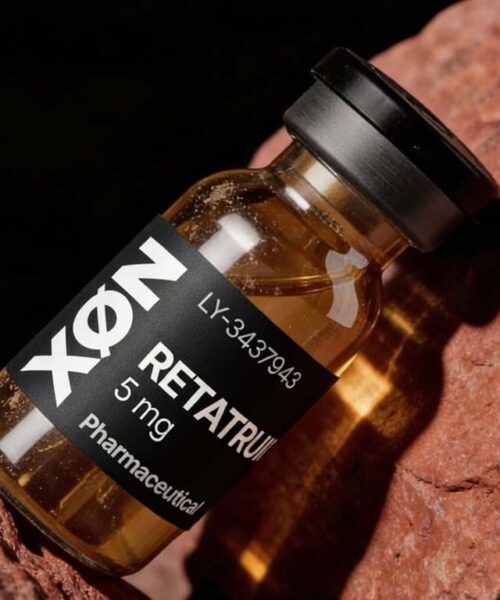
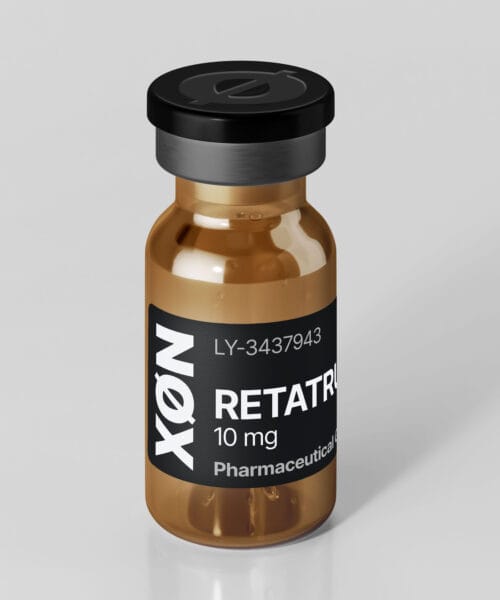
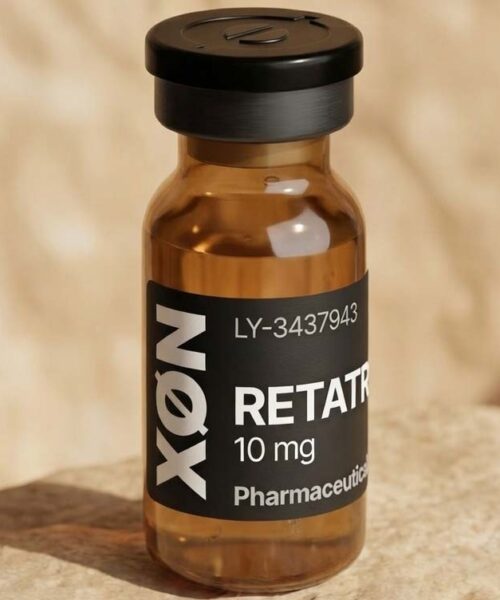
The biggest concern isn’t merely whether they “work.” It’s that underground vials can be mislabeled, underdosed, contaminated, or medically inappropriate, and online testimonials can’t detect any of that.
Potential benefits of peptides: what the evidence says
The evidence for peptides ranges from excellent to barely started. Approved drugs may be supported by large randomized trials: cosmetic ingredients often rely on smaller studies: bodybuilding products may have animal data, mechanistic arguments, or anecdotes rather than robust human outcomes.
When assessing a claim, ask four questions: Which exact peptide? Which route? Which dose? Which population? If an advertisement answers none of them, keep your wallet closed for another minute.
Skin aging and collagen support (wrinkles, firmness, hydration)
Some topical signaling peptides may encourage extracellular-matrix activity, while humectant-rich peptide formulas can improve hydration and temporarily soften fine lines. Copper peptides have also been researched for tissue remodeling and skin repair. Results are generally modest, and formulation quality influences whether an ingredient remains stable and reaches its intended target.
Oral collagen peptides have shown improvements in skin hydration or elasticity in several trials and meta-analyses, typically after weeks of daily use. But, studies differ in dose, product, duration, and sponsorship. You’re not swallowing replacement skin: you’re consuming peptides and amino acids that may support or signal aspects of collagen metabolism.
For visible aging, daily broad-spectrum SPF 30 or higher still earns the front-row seat.
Wound healing and tissue repair (injury recovery claims)
Peptides are involved in inflammation, blood-vessel growth, cell migration, and collagen production, all relevant to healing. Certain peptide-based dressings and medical technologies are promising, and some approved treatments target specific wound-related problems.
But popular injury compounds often leap from rodent studies to confident human marketing. BPC-157, for example, is widely promoted for tendon, ligament, and gut repair even though a lack of high-quality clinical trials establishing routine efficacy, dosing, and long-term safety in humans.
If you’ve torn a tendon, an unapproved injection shouldn’t replace diagnosis, graded rehabilitation, adequate protein intake, or surgical consultation when indicated. Pain relief can also tempt you to load damaged tissue too early, the biological equivalent of removing a smoke alarm because it’s noisy.
Muscle growth, strength, and recovery (what’s proven vs hype)
Growth hormone and IGF-1 pathways affect body composition, but manipulating them doesn’t automatically produce dramatic, functional muscle gain. In healthy adults, increased lean mass may partly reflect fluid or connective-tissue changes rather than equivalent improvements in strength. Side effects can include swelling, joint symptoms, glucose disruption, and other systemic effects.
Evidence for many peptide “stacks” sold to gym users is weak, indirect, or absent. By contrast, progressive resistance training, adequate calories and protein, creatine monohydrate, and sleep have far better evidence and clearer dosing.
A realistic beginner foundation looks almost boring: lift three times weekly, train major movement patterns, consume protein across meals, and add weight or repetitions gradually. Boring works. Your muscles do not require a refrigerator full of mystery vials.
Bone health and age-related bone loss (where data exists)
There is legitimate peptide medicine in bone care. Teriparatide, a parathyroid hormone fragment, stimulates bone formation and can reduce fracture risk in appropriately selected patients with osteoporosis. Abaloparatide is another receptor-targeting peptide therapy. These are prescription drugs, not general anti-aging supplements, and treatment duration, calcium status, and follow-up require clinical management.
Collagen peptides have been studied for bone markers and bone mineral density, sometimes alongside calcium and vitamin D. Findings are interesting but much less definitive than evidence supporting approved osteoporosis therapies, resistance exercise, and adequate nutrient intake.
If you’re at risk, ask about a bone-density scan and fracture assessment. A supplement shouldn’t quietly substitute for diagnosing osteoporosis.
Weight loss and appetite signals (what’s often confused with GLP-1 drugs)
GLP-1 is a naturally occurring peptide hormone involved in appetite, insulin secretion, and digestion. Drugs such as semaglutide mimic its pathway but are chemically modified to remain active much longer. Tirzepatide activates both GIP and GLP-1 receptors. Their effects come from specific molecules tested at controlled doses, not from being generically “peptides.”
Over-the-counter powders marketed as peptide fat burners are not equivalent to FDA-approved Wegovy, Zepbound, or other prescription products. Likewise, compounded products are not automatically identical to approved branded formulations.
Prescription incretin drugs can produce substantial weight loss for eligible patients, but they may cause gastrointestinal effects and require medical screening. They’re medications, not a loophole around nutrition, activity, resistance training, and ongoing care.
Common uses: where people encounter peptides
You may encounter peptides in an endocrinology clinic, a beauty aisle, or an influencer’s “recovery stack.” The surroundings matter because the standards of evidence and quality control change sharply between those settings.
A useful rule: judge the specific product and purpose, not the sophistication of the vocabulary around it. Scientific-sounding language can describe excellent medicine, or decorate an expensive sales pitch.
Peptides in medicine (approved indications and why doctors prescribe them)
Doctors prescribe peptide drugs when a defined mechanism and clinical evidence match your condition. An endocrinologist may prescribe insulin because your body doesn’t produce enough or use it effectively. A specialist might use octreotide to suppress excessive hormone secretion, while an osteoporosis clinician may select teriparatide for someone at very high fracture risk.
Approved medicines come with standardized manufacturing, prescribing information, adverse-event monitoring, and dosing based on clinical trials. They can still cause serious side effects: “peptide” does not mean gentle or natural.
Before starting one, ask what outcome it targets, how progress will be measured, what monitoring is needed, and whether an approved alternative exists.
Peptides in skincare (how to choose products and realistic expectations)
Choose a peptide product as you’d choose a sensible pair of shoes: for the job, not the dramatic packaging. Look for opaque, air-restrictive containers when stability is a concern, a complete ingredient list, and a brand that identifies the actual peptide rather than merely advertising a mysterious “complex.”
A simple routine might be:
- Gentle cleanser
- Peptide serum or moisturizer
- Broad-spectrum sunscreen in the morning
Patch-test first, then use it consistently for 8–12 weeks before judging subtle changes. If your primary goal is wrinkle reduction, consider a retinoid if your skin tolerates it. Don’t introduce five actives simultaneously: when your face becomes furious, you won’t know which bottle started the rebellion.
Peptides in fitness culture (injections, stacks, and marketing claims)
Fitness marketing often presents stacks as personalized “optimization”: one compound for sleep, one for growth hormone, another for tendon repair, perhaps paired with testosterone. Stacking makes both benefits and harms harder to attribute. It also raises interaction and dosing uncertainty.
Watch for red flags:
- Guaranteed fat loss or injury healing
- Dosing instructions copied from forums
- No examination, medication review, or follow-up
- Payment bundled with immediate prescribing
- Claims that “natural” means side-effect-free
- Vials labeled not for human consumption
A polished clinic isn’t proof of approval. Ask for the generic drug name, manufacturer, pharmacy, legal status, and published human evidence for your exact goal.
Peptide therapy vs peptide supplements vs topical peptides
These labels are often blurred in advertising, but they describe very different products.
| Category | Typical example | Oversight and evidence |
| Prescription peptide therapy | Insulin, semaglutide, teriparatide | Drug regulation: evidence depends on approved indication |
| Compounded peptide | Patient-specific preparation | Permitted only under applicable compounding rules: not FDA-approved |
| Peptide supplement | Hydrolyzed collagen powder | Regulated as a dietary supplement, not preapproved as a drug |
| Topical cosmetic peptide | Palmitoyl peptide serum | Cosmetic oversight: claims and clinical evidence vary |
| Research chemical | Unapproved injectable sold online | Not authorized for human use: substantial quality and safety uncertainty |
Calling all five “peptide therapy” creates a reassuring halo that some products haven’t earned.
Delivery methods: oral vs sublingual vs topical vs injection (bioavailability basics)
Peptides are vulnerable to stomach acid and digestive enzymes, and many cross the intestinal wall poorly. That’s why numerous peptide medicines are injected. Drug developers can modify molecules or use specialized formulations to extend their half-life and improve absorption: oral semaglutide, for example, relies on a carefully engineered absorption enhancer and strict administration instructions.
“Sublingual” isn’t a magic password. Larger molecules may still have limited absorption, and evidence must come from that specific formulation.
Topical peptides face the skin barrier, while injections bypass digestion and produce greater systemic exposure, along with greater potential for dosing errors, infection, and whole-body side effects. Route changes the product: it isn’t a minor detail.
Quality control: compounding pharmacies, research chemicals, and contamination risks
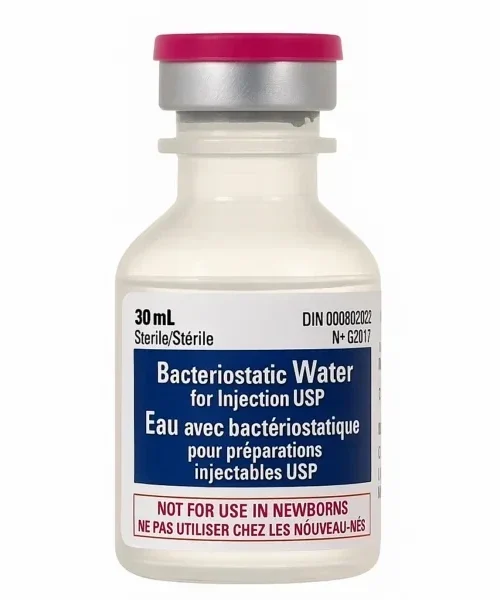
Compounding can serve legitimate needs when an approved product doesn’t meet a specific patient’s requirements. But, compounded drugs aren’t FDA-approved, and the agency doesn’t verify their safety, effectiveness, or quality before marketing in the same way it reviews approved products. Use a properly licensed pharmacy and confirm the prescription with your clinician.
Research chemicals are a different gamble. Independent testing has repeatedly found problems across illicit performance-drug markets, including incorrect concentrations, substituted ingredients, and contamination. Sterility is especially critical for injectables: a cloudy vial or clean-looking website tells you very little.
Check pharmacy licensure through your state board and review FDA information about drug compounding before paying.
Are peptides safe? Side effects, interactions, and long-term concerns
Some peptides are well characterized and safe when appropriately prescribed: others have unresolved toxicity, immune, hormonal, and contamination risks. Safety depends on the molecule, dose, route, medical history, and manufacturing, not the number of amino acids.
Long-term uncertainty deserves particular attention with compounds used outside trials. Short anecdotes can miss gradual glucose changes, altered hormone signaling, antibody formation, fertility effects, or uncommon complications. If nobody has studied years of exposure, “no long-term side effects reported” may simply mean no reliable long-term data exist.
Side effects by route (topical irritation vs injection-site reactions vs systemic effects)
Topical products may cause redness, itching, dryness, or contact dermatitis, often because of fragrances, preservatives, or other active ingredients rather than the peptide itself. Stop using a product if irritation persists: seek urgent help for facial swelling or breathing difficulty.
Injectables can cause pain, bruising, swelling, bleeding, and infection. Systemic effects vary widely. Hormone-related compounds may affect appetite, fluid retention, blood glucose, heart rate, blood pressure, headaches, or gastrointestinal function.
Seek prompt medical attention for severe abdominal pain, fainting, spreading redness, fever, chest pain, breathing difficulty, or signs of a serious allergic reaction. And never share needles, even if someone’s gym hygiene appears otherwise immaculate.
Who should avoid peptides (pregnancy, cancer history, endocrine disorders, adolescents)
Pregnant or breastfeeding people should avoid nonessential, unapproved peptide products because reproductive and infant-safety data are frequently missing. Adolescents shouldn’t use performance peptides outside specialist medical care: growth and endocrine systems are still developing.
Extra caution is warranted if you have:
- A current or previous cancer diagnosis
- Diabetes or recurrent low blood sugar
- Pituitary, thyroid, adrenal, or other endocrine disorders
- Kidney or liver disease
- A history of pancreatitis or gallbladder disease
- Multiple medications that affect glucose, blood pressure, or hormones
These aren’t universal bans for every approved peptide drug. They’re reasons for individualized screening. Cancer-related concerns, for example, depend on the pathway and condition: discuss them with the relevant oncologist or specialist.
Legality and regulation: FDA approval, compounding, and sports rules
Legal status isn’t binary. A molecule may be FDA-approved for one indication, prescribed off-label under medical judgment, compounded under limited circumstances, investigated in clinical trials, or sold illegally as an unapproved drug.
Dietary supplements and cosmetics follow different frameworks from prescription drugs. A collagen powder doesn’t undergo the same premarket approval as insulin, while a cosmetic company generally cannot legally market a face serum as a treatment for disease. Language such as “supports” often reflects those boundaries.
How to verify legitimacy (approved drug vs compounded vs “for research only”)
Start with the FDA Drugs@FDA database to confirm whether a drug and manufacturer are approved. Then ask:
- What is the exact active ingredient and concentration?
- Is this specific formulation FDA-approved?
- If compounded, why is compounding clinically necessary?
- Which licensed pharmacy prepared it?
- What human trials support this use?
- Who handles adverse reactions and follow-up?
“For research only” means the seller isn’t offering an authorized human medicine. It does not become safer because a podcast supplied injection instructions. Also be wary of “FDA-registered facility” claims: facility registration isn’t the same as product approval.
Athlete considerations (anti-doping rules and testing risk)
Competitive athletes must consider more than ordinary legality. The World Anti-Doping Agency Prohibited List restricts numerous peptide hormones, growth factors, growth hormone secretagogues, mimetics, and related substances. Rules are updated annually, and some compounds are banned both in and out of competition.
Supplements may also contain undeclared substances, creating an inadvertent-doping risk. Under strict-liability systems, you’re generally responsible for what enters your body, regardless of label accuracy.
Check every medication through your sport’s official resources and pursue a therapeutic use exemption when applicable. Third-party certification can lower supplement risk but cannot guarantee that an unapproved injectable is lawful, pure, or permitted.
Peptides in food and natural ways to support peptide-related pathways
You don’t need a peptide-branded lifestyle to support normal peptide production. Your body synthesizes signaling molecules and proteins using amino acids from food, while training, sleep, energy intake, and micronutrient status influence tissue repair and hormone regulation.
Natural support won’t replicate a prescription drug’s receptor activity. It can, but, build the physiological foundation that wellness marketing occasionally skips because “eat lunch and sleep” looks terrible on a luxury clinic menu.
Dietary sources (protein-rich foods, collagen/gelatin, fermented foods) and what they can/can’t do
Protein-rich foods, including fish, eggs, poultry, dairy, tofu, beans, and lean meat, supply amino acids and digestion-derived peptides. Yogurt, kefir, aged cheese, tempeh, and other fermented foods may contain peptides released during fermentation. Collagen and gelatin contribute glycine-rich peptides but are not complete proteins.
For muscle support, distribute high-quality protein across meals rather than relying solely on collagen, which is relatively low in essential amino acids such as leucine. A practical meal might pair Greek yogurt with fruit at breakfast, lentil soup and bread at lunch, and salmon or tofu with rice at dinner.
Food peptides can support nutrition: they cannot reliably mimic injectable hormone drugs or target one injured ligament on command.
Lifestyle supports (sleep, resistance training, micronutrients for collagen synthesis)
Resistance training stimulates muscle-protein remodeling and supports bone. Sleep helps regulate appetite, glucose metabolism, recovery, and normal hormone rhythms. Most adults should aim for at least seven hours, then adjust according to health and individual needs.
Collagen synthesis also requires adequate vitamin C, available in citrus, berries, bell peppers, broccoli, and other produce. Zinc, copper, iron, and overall energy intake matter too, although megadoses can cause harm.
Try this low-drama two-week challenge: complete three full-body strength sessions each week, include protein at each main meal, eat one vitamin C–rich food daily, and protect a consistent sleep window. Track soreness and performance. It’s not glamorous, but neither is brushing your teeth, and that works remarkably well.
FAQ: Quick answers to common peptide questions
Peptide conversations get tangled because the same term covers food fragments, cosmetics, hormones, approved drugs, and unapproved injections. These quick answers return to the distinction that matters most: the exact compound and how it’s used.
Are peptides steroids?
No. Peptides are amino-acid chains, while anabolic-androgenic steroids are lipid-derived molecules related to testosterone. Their chemical structures and receptor mechanisms differ.
That doesn’t mean performance peptides are harmless or permitted in sport. Some stimulate growth hormone release or influence growth-factor pathways, producing systemic effects and anti-doping concerns. A product can be “not a steroid” and still carry substantial hormonal, metabolic, or legal risk.
You may also see peptides and anabolic steroids combined in bodybuilding stacks. That association doesn’t make them the same drug class: it makes the resulting risk picture more complicated.
Do peptides actually work for muscle or fat loss?
Specific peptide drugs can work for specific indications. GLP-1–based and dual-incretin medications can produce clinically meaningful weight loss in eligible patients. That evidence does not validate every peptide marketed as a fat burner.
For healthy gym users, evidence supporting unapproved secretagogues and repair stacks is far weaker than promotional claims suggest. Changes in scale weight or “lean mass” may include fluid shifts, and stronger growth signaling doesn’t guarantee proportional strength or safer recovery.
If your goal is body composition, first audit training progression, calorie intake, protein, sleep, alcohol, and medications. Then discuss evidence-based medical options with a qualified clinician if lifestyle measures aren’t enough.
What’s the difference between peptide drugs and peptide supplements?
A peptide drug is intended to diagnose, treat, prevent, or manage a medical condition and, when FDA-approved, has undergone formal evaluation for a particular formulation and use. It typically has standardized dosing, prescribing information, and post-market safety surveillance.
A peptide supplement, such as hydrolyzed collagen, is sold under dietary-supplement rules. It isn’t approved beforehand as a treatment for wrinkles, tendon tears, osteoporosis, or disease. Quality and evidence vary between products.
If a supplement advertisement promises drug-like treatment while avoiding the word “drug,” pause. Look for independent testing, transparent ingredients, realistic claims, and trials using the same product, not merely a vaguely related peptide.
How long do peptides take to work (skin vs performance vs medical use)?
Timing depends on the outcome. A hydrating topical may make skin feel smoother within days, while possible changes in firmness or fine lines generally require consistent use for roughly 8–12 weeks. Oral collagen studies commonly evaluate outcomes after two to six months.
Prescription effects vary dramatically. Insulin can influence glucose quickly: weight-management drugs are titrated over months: bone-building treatments are assessed through longer-term markers and fracture outcomes. Performance-peptide timelines quoted online are often anecdotal and shouldn’t be mistaken for established clinical expectations.
Eventually, asking what are peptides opens a much better question: Which peptide, for what purpose, supported by what evidence? Start there. Prioritize approved treatments when medical care is needed, treat skincare peptides as optional supporting ingredients, and avoid injecting products of uncertain identity. Curiosity is useful: verification is safer.