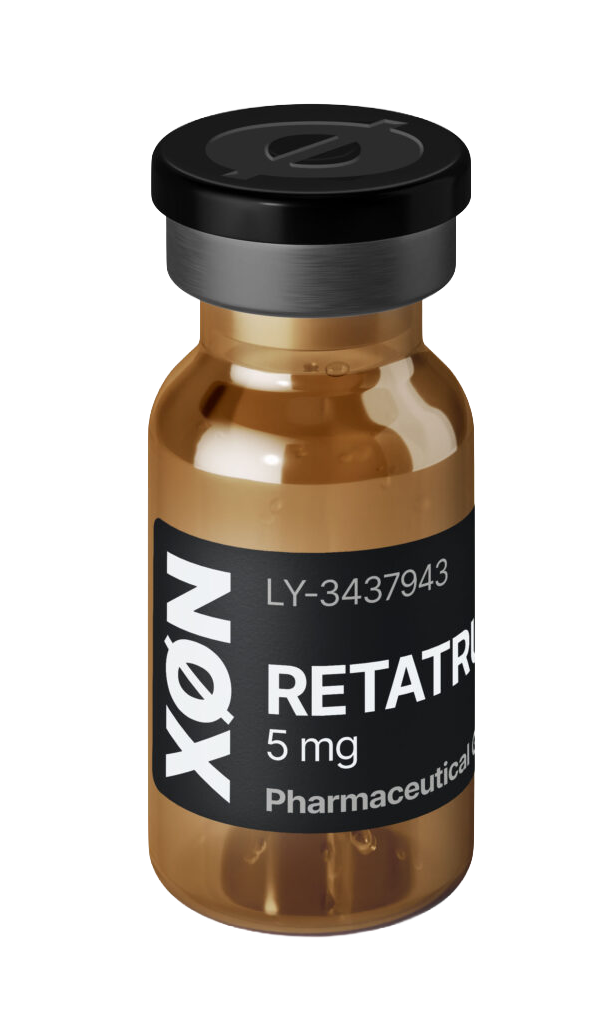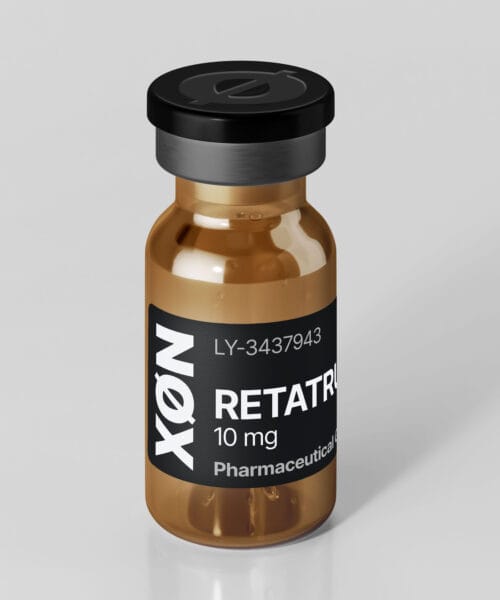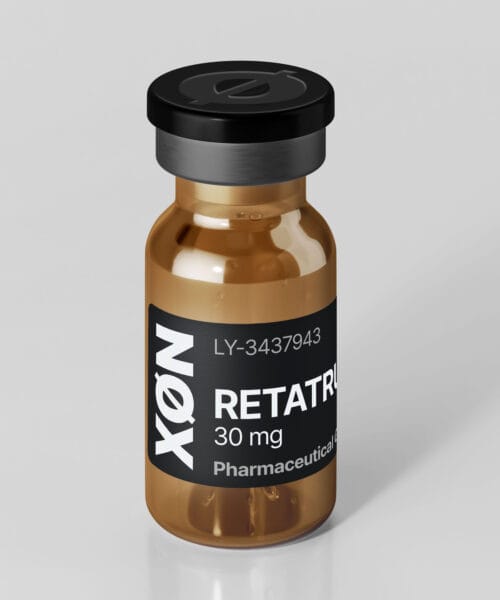


If you’ve encountered dramatic before-and-after photos labeled “RETA,” you’re probably wondering whether this is a supplement, a prescription drug, or just another internet shortcut with suspiciously good lighting. The answer matters: RETA generally refers to retatrutide, an experimental medication being studied for obesity and related metabolic conditions. It isn’t an ordinary wellness peptide, and it shouldn’t be confused with products sold online “for research use only.”
This review explains what is RETA peptide, how its three-part mechanism differs from medications such as Wegovy and Mounjaro, and what clinical trials actually show. You’ll also learn about side effects, dosing studied by researchers, regulatory status, and the considerable risks associated with unapproved retatrutide products.
The scope here is deliberately evidence-based. Results from controlled trials can help you understand retatrutide’s potential, but they can’t guarantee an individual outcome, or establish the purity of a vial bought through social media. Retatrutide remains investigational in the United States as of September 2026, so no legitimate FDA-approved retail version exists. This article isn’t personal medical advice, and it has no affiliation with Eli Lilly or peptide sellers.
With that reality check handled, let’s unpack why researchers are paying so much attention to one small weekly injection.
Key Takeaways
- RETA peptide is an informal name for retatrutide, an investigational synthetic peptide drug targeting GLP-1, GIP, and glucagon receptors to treat obesity and metabolic diseases.
- Retatrutide showed impressive average weight loss of up to 24.2% in phase 2 clinical trials but remains unapproved by the FDA as of September 2026.
- Its triple hormone receptor agonist mechanism differentiates it from existing medications like Wegovy and Mounjaro, potentially enhancing metabolism through appetite regulation and energy expenditure.
- Retatrutide is administered via once-weekly injections under clinical supervision with gradual dose escalation to manage side effects such as nausea and gastrointestinal discomfort.
- Unapproved RETA products sold online carry significant risks due to unknown purity, sterility, and dosing, and should be avoided in favor of legitimate clinical trials or FDA-approved therapies.
- Patients interested in metabolic treatments should consult healthcare professionals to discuss approved options rather than attempting self-medication with experimental or unverified RETA products.
What is reta peptide and what does “RETA” stand for?
“RETA peptide” is an informal shorthand for retatrutide, a synthetic peptide-based drug candidate developed to treat obesity and metabolic disease. RETA isn’t generally presented in scientific literature as an acronym with four separate words behind it. It’s a shortened nickname used in online communities, while retatrutide is the correct generic drug name.
The molecule is engineered to imitate selected actions of three naturally occurring metabolic hormones. It activates receptors for glucagon-like peptide-1 (GLP-1), glucose-dependent insulinotropic polypeptide (GIP), and glucagon. That triple activity has earned it descriptions such as a triple agonist or, rather memorably, a “triple G” drug.
You may also see retatrutide identified by its development code, LY3437943. These names refer to the drug studied in regulated clinical trials, not automatically to every vial labeled “RETA” by an online vendor.
That distinction is crucial. Retatrutide isn’t a dietary supplement, conventional bodybuilding peptide, or approved compounded medication. A seller can print “RETA” on a vial without proving that it contains authentic retatrutide at the stated concentration. In other words, the label is a claim, not a chemical identity test.
Retatrutide at a glance: drug class, developer, and why it’s in the spotlight
Retatrutide belongs to the incretin-based medication field, but it goes one receptor beyond semaglutide and one beyond tirzepatide. It was developed by Eli Lilly and Company, which also makes the dual GIP/GLP-1 agonist tirzepatide, sold as Mounjaro for type 2 diabetes and Zepbound for chronic weight management.
| Feature | Retatrutide overview |
| Drug type | Synthetic peptide: GLP-1/GIP/glucagon receptor agonist |
| Developer | Eli Lilly |
| Administration studied | Once-weekly subcutaneous injection |
| Main research area | Chronic weight management in people with obesity or overweight |
| Approval status | Investigational: not FDA approved as of September 2026 |
| Development name | LY3437943 |
Why the buzz? In a phase 2 obesity trial, the highest-dose group achieved an average weight reduction of 24.2% at 48 weeks, without a clear plateau at the end of the study. Those findings were published in The New England Journal of Medicine.1
That number is attention-grabbing, but keep your comparison goggles on. Phase 2 trials are smaller and shorter than the studies generally required for approval. Participants receive structured monitoring, dose escalation, and behavioral guidance, conditions that an improvised “RETA cycle” from an internet forum can’t reproduce.
How RETA peptide works: triple hormone receptor agonist explained
Retatrutide is designed to activate three receptor systems with one molecule. Think of metabolism less like a single light switch and more like a control panel: appetite, insulin release, stomach emptying, energy use, and liver signaling all have separate dials. RETA attempts to adjust several at once.
That broader mechanism may help explain the substantial weight changes observed in early trials. It also introduces complexity. Stronger or broader biological activity doesn’t automatically mean a drug is safer, more appropriate, or better for every person.
– GLP-1 effects (appetite, gastric emptying, glucose control)
GLP-1 receptor activation can reduce hunger and increase fullness, making a smaller meal feel surprisingly final. It may also slow gastric emptying, particularly early in treatment, and stimulate insulin release when glucose is elevated. At the same time, it suppresses inappropriate glucagon secretion after meals.
For you, that could translate into fewer food cravings and improved post-meal glucose control. It can also mean nausea, abdominal discomfort, constipation, or the peculiar experience of realizing lunch is still “hanging around” at dinner.
The gastric-emptying effect may diminish over time, while appetite regulation continues through central nervous system pathways. GLP-1 activity is hence important, but it doesn’t single-handedly explain retatrutide’s trial results.
– GIP effects (insulin signaling and metabolic impact)
GIP is another incretin hormone released after you eat. When blood glucose rises, GIP receptor activation helps pancreatic beta cells release insulin. Its biology also involves fat tissue, lipid handling, and communication between the gut and brain.
GIP’s role once puzzled researchers because naturally elevated GIP is associated with nutrient storage, while pharmacologic GIP agonism, especially alongside GLP-1 activation, can improve glucose regulation and body weight. Context matters. Receptor dosage, combined signaling, and the metabolic state of the person all influence the result.
Tirzepatide already pairs GIP with GLP-1 activity. Retatrutide retains that combination and adds glucagon receptor agonism, which is the feature most responsible for its “triple agonist” identity.
– Glucagon receptor effects (energy expenditure, fat metabolism, trade-offs)
Glucagon is often introduced as insulin’s opposite because it tells the liver to release stored glucose. That sounds counterproductive for diabetes, and alone, it could be. But glucagon receptor activity may also increase energy expenditure, promote fat oxidation, and reduce liver fat.
Retatrutide’s design attempts to balance glucagon’s potential metabolic benefits with the glucose-lowering effects of GLP-1 and GIP signaling. Early studies suggest that this balancing act can improve weight and glycemic measures, but researchers still need longer follow-up.
There are trade-offs. Glucagon activity may contribute to increased heart rate, and an incorrectly balanced molecule could worsen glucose control. This is exactly why retatrutide isn’t simply “three times Ozempic.” Its receptor profile, dose response, and safety need to be evaluated as a distinct drug.
What is RETA peptide used for? Current and potential indications
At present, the most accurate answer is that RETA is used in clinical research. It doesn’t yet have an FDA-approved indication, so claims that it’s an approved treatment for obesity, diabetes, or fatty liver disease are premature.
– Obesity/weight management (primary research focus)
Obesity is retatrutide’s headline research area. Phase 3 studies in Lilly’s TRIUMPH program have been designed to evaluate weight reduction, safety, physical function, and obesity-related complications across broader populations.
Potential candidates in these studies generally have obesity, or overweight plus a weight-related condition. That isn’t the same as using RETA to lose a quick 10 pounds before vacation. Chronic weight-management drugs are developed for long-term disease treatment, usually alongside nutrition and physical-activity support.
– Type 2 diabetes and cardiometabolic risk factors (investigational)
A phase 2 trial involving people with type 2 diabetes found improvements in A1C, body weight, and several metabolic measures.2 Retatrutide could hence become relevant to diabetes treatment, but its eventual indication depends on phase 3 evidence and regulatory review.
Researchers are also watching blood pressure, triglycerides, cholesterol, waist circumference, kidney outcomes, and cardiovascular events. Improvements in these markers are encouraging, yet they aren’t interchangeable with proof that a drug prevents heart attacks or extends life. Dedicated outcome data matter.
– Fatty liver disease (MASLD/MASH) and other areas under study
Metabolic dysfunction-associated steatotic liver disease (MASLD), formerly called NAFLD, frequently overlaps with obesity and type 2 diabetes. MASH is its inflammatory, potentially progressive form.
A phase 2 substudy using imaging found large reductions in liver fat among participants receiving retatrutide, with many reaching liver-fat levels below the threshold commonly used to define steatosis.3 That’s promising, but MRI-measured fat reduction doesn’t by itself prove reversal of fibrosis or prevention of cirrhosis.
Other possible applications may emerge as research develops, including obstructive sleep apnea, osteoarthritis-related burden, and broader cardiometabolic disease. For now, you should treat those as research questions, not established RETA uses.
Clinical trial results summary: how effective is retatrutide for weight loss?
The pivotal early signal came from a randomized phase 2 trial of 338 adults with obesity or overweight plus a related condition, excluding diabetes. Participants received weekly retatrutide at several dose levels or placebo for 48 weeks.
– Key outcomes reported (weight loss %, A1C, lipids, blood pressure)
At 48 weeks, average weight changes were dose-dependent. The 8 mg and 12 mg groups lost approximately 22.8% and 24.2%, respectively, compared with roughly 2.1% for placebo. In the 12 mg group, about one-quarter of participants lost at least 30% of their starting weight.
Put that into a real-world frame: 24.2% of a 250-pound starting weight is about 60.5 pounds. It’s an average, but, not a promise. Some participants lost more, some less, and discontinuations can affect how trial results translate into ordinary care.
Studies also reported favorable changes in waist circumference, systolic and diastolic blood pressure, triglycerides, and glycemic markers. In participants with type 2 diabetes, A1C reductions varied by dose and were broadly competitive with established incretin therapies. Longer trials are needed to determine durability, weight regain after discontinuation, and hard cardiovascular outcomes.
– How RETA compares to GLP-1s and dual agonists (semaglutide, tirzepatide)
Cross-trial comparisons are useful for orientation, but they aren’t head-to-head proof. Different populations, follow-up periods, estimands, adherence rates, and lifestyle programs can distort an apparently simple leaderboard.
| Medication | Receptors targeted | Selected obesity-trial result | FDA status for weight management* |
| Semaglutide 2.4 mg (Wegovy) | GLP-1 | About 14.9% mean loss at 68 weeks in STEP 1 | Approved |
| Tirzepatide (Zepbound) | GIP and GLP-1 | Up to about 20.9% at 72 weeks in SURMOUNT-1 | Approved |
| Retatrutide | GIP, GLP-1, and glucagon | Up to 24.2% at 48 weeks in phase 2 | Not approved |
*US status as of September 2026. Figures come from separate trials and shouldn’t be treated as a direct contest.
Semaglutide has extensive clinical experience and cardiovascular-outcomes evidence in selected populations. Tirzepatide offers dual-receptor activity and approved dosing backed by large phase 3 programs. Retatrutide’s early average weight loss appears striking, but it has less accumulated safety exposure and no approved prescribing label.
So, is RETA “stronger”? The honest answer is possibly for average weight reduction, based on early evidence, but not yet proven superior through direct comparison. Newer isn’t synonymous with better for your health history, tolerability, insurance coverage, or long-term outcome.
Is retatrutide FDA approved? Regulatory status and development timeline
No. As of September 2026, retatrutide is not FDA approved, and you can’t legally obtain it as an approved prescription medication in the United States. It remains in phase 3 clinical development. You can check current study records through the official ClinicalTrials.gov retatrutide search rather than relying on a seller’s countdown clock.
If phase 3 trials establish sufficient benefits and acceptable risks, Lilly could submit a New Drug Application to the FDA. Regulators would then review efficacy, safety, manufacturing controls, labeling, and risk management. Completion of a trial doesn’t equal immediate approval: data analysis and regulatory review take time.
Be wary of clinics claiming they offer “FDA-approved RETA” or an FDA-approved compounded equivalent. The agency approves finished drug products, not vague ingredients sold with a disclaimer. Until authorization occurs, there is no approved retatrutide product for a pharmacy to copy in the ordinary sense.
Side effects, risks, and contraindications (what studies and labels suggest)
Retatrutide’s final safety label doesn’t exist because the drug hasn’t been approved. Risk discussions must hence combine trial observations with cautious lessons from related incretin medications. Similar mechanisms can suggest potential concerns, but they can’t guarantee identical warnings.
– Common GI effects and tolerability
The most common adverse effects in retatrutide trials were gastrointestinal, including:
- Nausea
- Diarrhea
- Vomiting
- Constipation
- Reduced appetite or early fullness
- Abdominal discomfort
Symptoms were generally mild to moderate and occurred most often during dose escalation. Faster starts were associated with more tolerability problems, which helps explain why trials used gradual titration.
Don’t dismiss persistent vomiting as the price of admission. It can cause dehydration, electrolyte disturbances, kidney injury, or difficulty keeping down essential medication. Severe abdominal pain, inability to drink, fainting, or markedly reduced urination warrants prompt medical assessment.
An increased heart rate was also observed. The clinical importance of that finding over years, especially in people with rhythm disorders or cardiovascular disease, requires continued evaluation.
– Serious warnings to know (e.g., pancreatitis, gallbladder, thyroid tumor risk class)
Potential serious concerns include pancreatitis, gallbladder disease, severe gastrointestinal reactions, acute kidney injury related to dehydration, and hypoglycemia when combined with insulin or sulfonylureas. Rapid weight loss itself can raise gallstone risk, regardless of which drug causes it.
Approved GLP-1–based drugs carry boxed warnings concerning thyroid C-cell tumors observed in rodents. They’re generally contraindicated in people with a personal or family history of medullary thyroid carcinoma or Multiple Endocrine Neoplasia syndrome type 2. Whether retatrutide’s eventual label will use identical language can’t be assumed before FDA review, but the class concern deserves attention, not internet shrugging.
You should also tell a clinician about pregnancy plans, breastfeeding, previous pancreatitis, severe digestive disease, gallstones, kidney problems, diabetic retinopathy, and every glucose-lowering medication you take. Weight-loss pharmacotherapy isn’t recommended during pregnancy.
Most importantly, uncontrolled online products add risks that clinical trials don’t measure: contamination, incorrect concentration, nonsterile preparation, and dosing errors. A flawless trial safety record, if one existed, couldn’t make an unidentified vial safe.
Administration and dosing context: what’s known from trials (not personal medical advice)
Clinical studies have administered retatrutide as a once-weekly subcutaneous injection. Phase 2 obesity research evaluated maintenance doses including 1 mg, 4 mg, 8 mg, and 12 mg, with some participants beginning at lower doses before escalating.
Those figures describe study protocols: they aren’t instructions for self-treatment. Trial participants used standardized drug manufactured under controlled conditions, received scheduled monitoring, and could report side effects to research teams. Copying a dose from a paper doesn’t recreate those safeguards.
A future FDA-approved schedule could differ from phase 2 regimens after phase 3 data, manufacturing review, and dose optimization. The eventual label, if approved, would define eligible patients, titration intervals, missed-dose instructions, storage, contraindications, and interactions.
If you’re interested in retatrutide now, the legitimate route is a registered clinical trial with informed consent and oversight. Otherwise, discuss approved alternatives with a licensed clinician. Depending on your medical history, those might include semaglutide, tirzepatide, liraglutide, or non-incretin options. The “best” choice is the one with an appropriate indication and a monitoring plan, not the vial with the loudest Reddit thread.
RETA peptide vs “research peptide” products: quality, COAs, and safety concerns
Online “research peptide” stores often lean on scientific-looking labels, purity percentages, and certificates of analysis (COAs). The presentation can feel reassuring: crisp chromatograms, batch numbers, perhaps a muscular laboratory mascot for reasons nobody can explain. But paperwork alone doesn’t establish that a product is suitable for human injection.
A COA may be incomplete, altered, tied to a different batch, or produced from a sample selected by the vendor. Even a legitimate high-performance liquid chromatography result usually addresses chemical purity, not sterility, endotoxins, microbial contamination, residual solvents, identity confirmation, fill accuracy, or stability after shipping.
| Source | What you can reasonably verify | Main concern |
| Registered clinical trial | Sponsor, protocol, oversight, standardized supply | Eligibility and experimental-drug risks |
| FDA-approved pharmacy product | Approved label, regulated manufacturing, traceability | Normal prescription risks and access limits |
| “Research use only” seller | Whatever documentation the vendor publishes | Identity, potency, sterility, legality, and no clinical oversight |
Red flags include claims of “pharmaceutical grade” without a licensed manufacturer, dosing advice paired with a research-only disclaimer, cryptocurrency-only payment, and testimonials treated as clinical evidence. A QR code isn’t regulatory oversight. Neither is a lab coat in a TikTok video.
If you already used an unapproved product and develop severe pain, repeated vomiting, breathing difficulty, confusion, fainting, or signs of infection around an injection site, seek urgent medical care. Tell the clinician exactly what you took: embarrassment shouldn’t get a vote in treatment.
So, what is RETA peptide in practical terms? It’s a promising but still experimental triple-receptor drug, not a proven DIY shortcut. Phase 2 results justify excitement and phase 3 investigation, yet unanswered questions remain about long-term safety, durability, cardiovascular outcomes, and who benefits most.
Your safest next move is simple: ignore gray-market sales pitches, verify regulatory claims through the FDA’s Drugs@FDA database, and discuss approved options with a qualified clinician. Curiosity is sensible. Turning yourself into an unsupervised clinical trial isn’t.
Frequently Asked Questions about RETA Peptide
What is RETA peptide and what does it stand for?
RETA peptide is an informal name for retatrutide, a synthetic peptide-based drug candidate designed to treat obesity and metabolic diseases by activating GLP-1, GIP, and glucagon receptors. RETA itself is not an official acronym but a shorthand used online.
How does RETA peptide work in the body?
RETA peptide works as a triple hormone receptor agonist by activating GLP-1, GIP, and glucagon receptors, which together regulate appetite, insulin release, energy expenditure, and fat metabolism, contributing to significant weight loss and metabolic improvements.
Is RETA peptide FDA approved and available for use?
As of September 2026, RETA peptide (retatrutide) is not FDA approved and remains an investigational drug only available through clinical trials. No legitimate FDA-approved retail version exists for general medical use.
What are the common side effects associated with RETA peptide?
Common side effects include gastrointestinal issues such as nausea, diarrhea, vomiting, constipation, and reduced appetite. These effects are generally mild to moderate and often occur during dose escalation in clinical trials.
How effective is RETA peptide for weight loss compared to other medications?
In a phase 2 trial, RETA peptide showed an average weight reduction of up to 24.2% at 48 weeks, which is higher than the results reported for semaglutide and tirzepatide in separate studies, though direct comparisons are limited and more research is needed.
What risks are involved with using unapproved RETA peptide products sold online?
Unapproved RETA peptide products may have unknown purity, incorrect dosing, contamination, and no clinical oversight, increasing risks of serious side effects, infections, and possible organ damage. Use of such products is unsafe and not recommended.